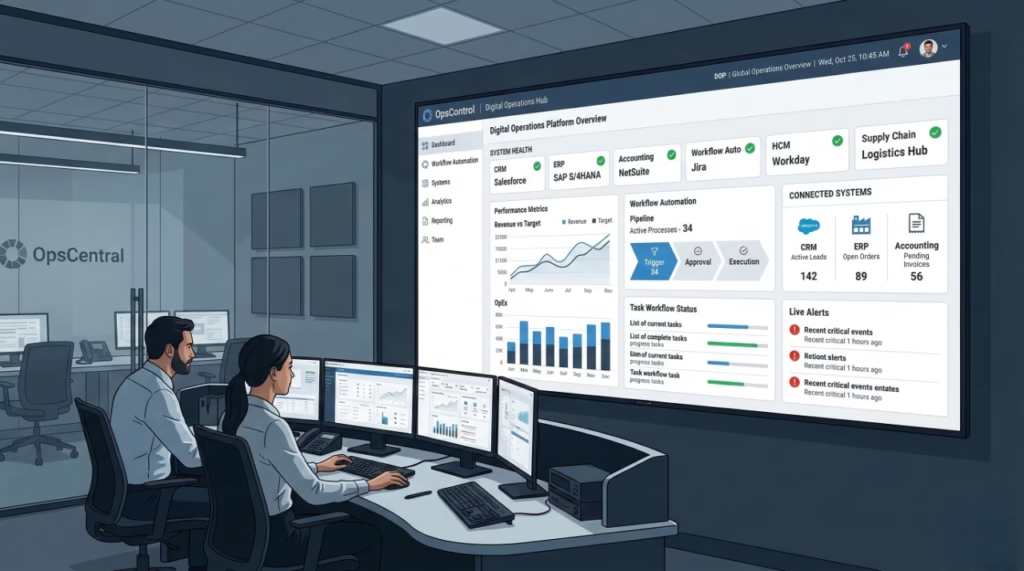
Modern organizations rely on multiple systems to manage daily operations CRM tools, spreadsheets, project management platforms, communication apps, and reporting software. Research on enterprise digital transformation strategies highlights how fragmented tools often create operational inefficiencies.
A digital operations platform solves this problem by centralizing business workflows, operational data, approvals, reporting, and cross-department collaboration within a single integrated system.
In this guide, we explain what a digital operations platform is, how it works, its benefits, and why many organizations are investing in digital operations platform development to modernize business operations.
What Is a Digital Operations Platform?
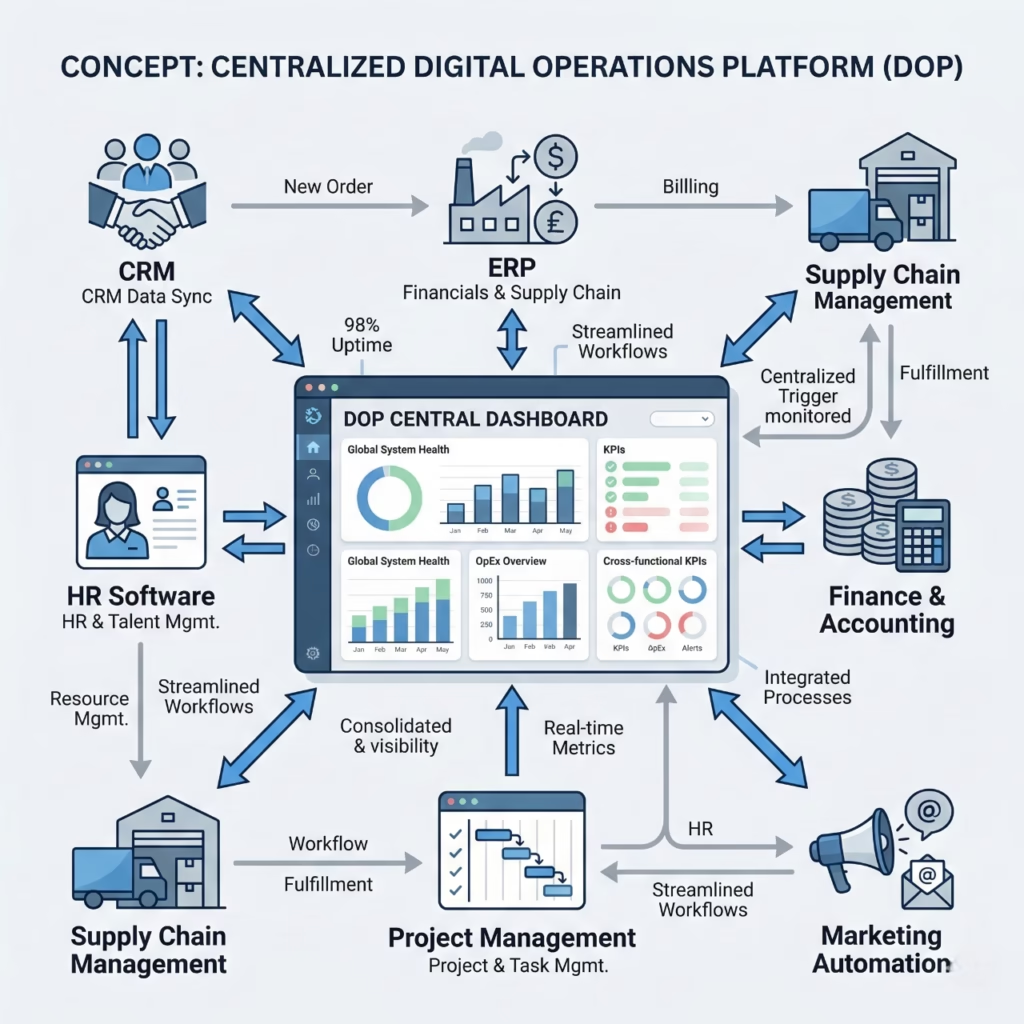
A digital operations platform (DOP) is an integrated software system designed to unify business operations, automate workflows, and provide real-time visibility across departments.
Instead of relying on disconnected tools and manual processes, organizations use a digital operations platform to manage operational activities such as:
- task coordination
- workflow approvals
- operational reporting
- team collaboration
- resource management
- system integrations
By consolidating operational processes into one platform, businesses gain better visibility, automation, and control over their daily operations.
A well-designed digital operations platform acts as the central operating system of an organization, enabling teams to manage processes efficiently while improving data consistency and decision-making.
Why Businesses Need Digital Operations Platforms

Many organizations struggle with fragmented operational systems. Departments often use separate tools for managing tasks, tracking progress, and analyzing performance.
Common operational challenges include:
- heavy reliance on spreadsheets
- manual workflow approvals
- disconnected applications
- limited operational visibility
- inconsistent reporting across teams
A digital operations platform addresses these challenges by creating a unified environment where operational processes are structured, automated, and monitored in real time.
Organizations that implement digital operations platforms typically experience:
- improved operational efficiency
- faster decision-making
- reduced manual workload
- greater transparency across departments
These improvements help businesses scale operations while maintaining control over complex processes.
Key Features of Digital Operations Platforms
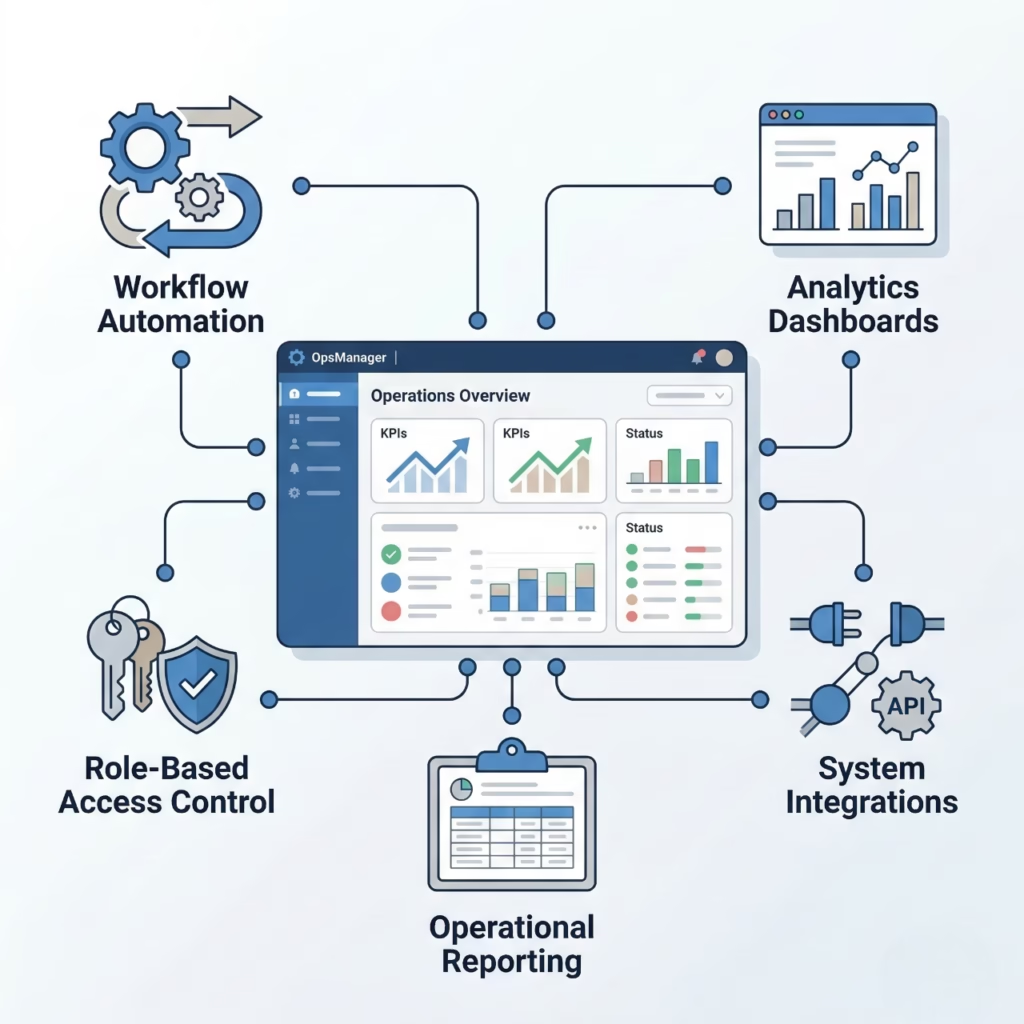
A well-designed digital operations platform includes several capabilities that support operational management and automation.
Centralized Operations Management
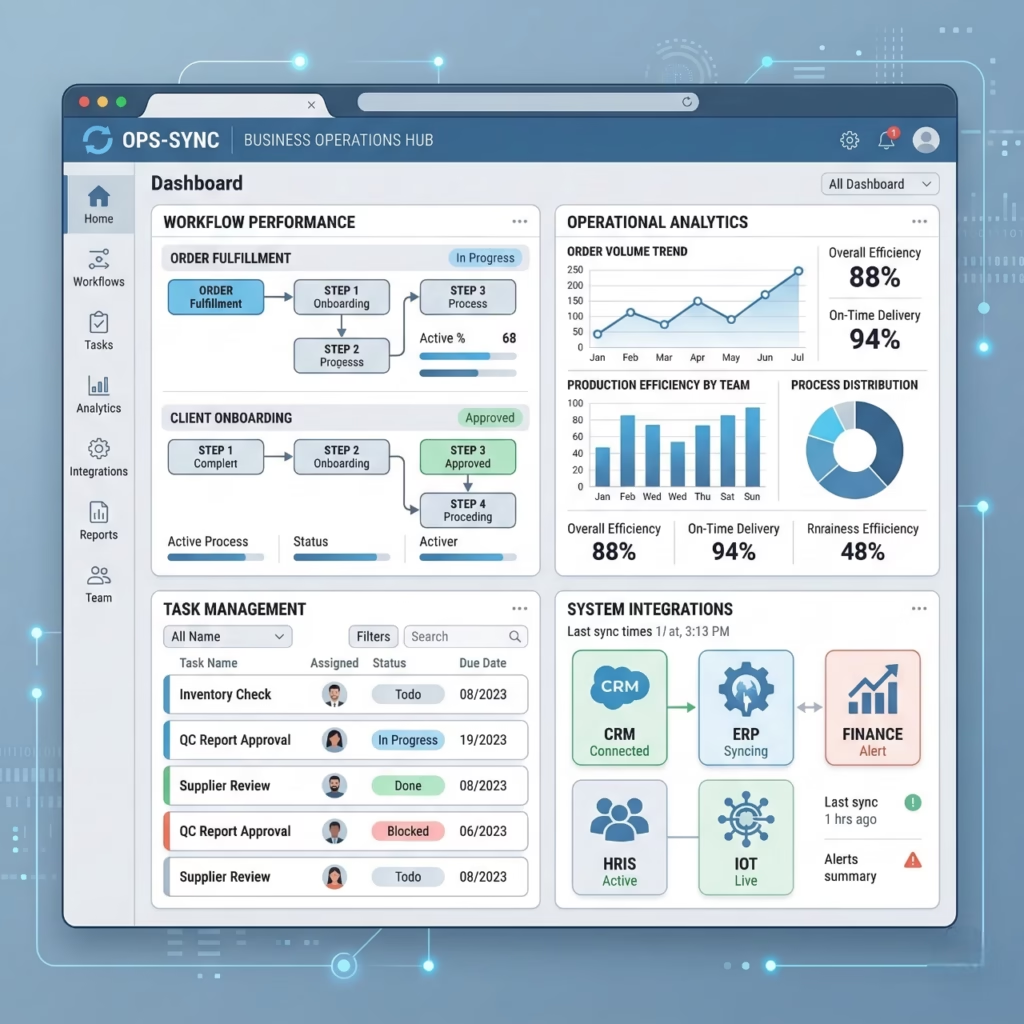
A unified dashboard allows organizations to manage workflows, approvals, and operational activities across departments from a single interface.
Workflow Automation
Automation tools eliminate repetitive manual tasks by creating structured workflows for approvals, notifications, and task assignments. Modern enterprise workflow automation systems help organizations improve operational efficiency and reduce manual workload.
Role-Based Access Control
Granular permission management ensures that employees can access only the information relevant to their roles.
Real-Time Reporting and Analytics
Operational dashboards provide live insights into business performance, task completion, and operational metrics.
API and System Integrations
Digital operations platforms integrate with enterprise tools such as CRM systems, ERP platforms, accounting software, and third-party APIs.
Cloud-Ready Infrastructure
Modern platforms are built on scalable cloud infrastructure, allowing organizations to expand operations without infrastructure limitations.
Digital Operations Platform vs ERP
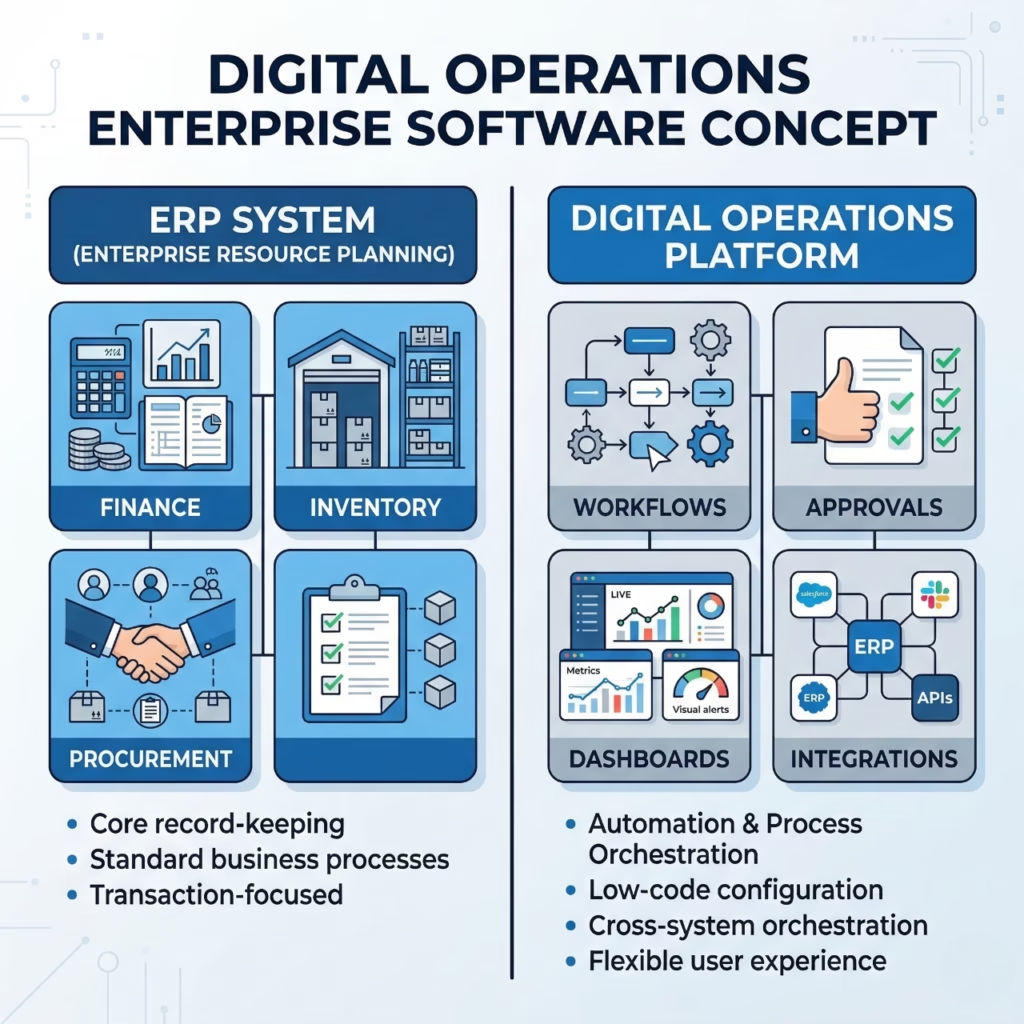
Many businesses confuse digital operations platforms with traditional ERP systems. While both aim to improve operational efficiency, they serve different roles.
ERP systems primarily manage core business processes such as finance, procurement, and inventory management.
A digital operations platform, on the other hand, focuses on operational workflow coordination, process automation, and real-time operational visibility across teams.
Key differences include:
| Feature | Digital Operations Platform | ERP System |
| Workflow automation | Core capability | Limited |
| Operational dashboards | Real-time monitoring | Mostly financial reporting |
| Flexibility | Highly customizable | Often rigid |
| Integration capabilities | Designed for API integrations | More structured modules |
Many organizations use both systems together, with the digital operations platform acting as the operational coordination layer.
How Digital Operations Platforms Work

Digital operations platforms function as the central system connecting operational workflows, business data, and user roles.
The typical architecture includes:
- cloud-based backend infrastructure
- role-based access management
- workflow automation engine
- API integration layer
- reporting and analytics dashboards
When a workflow is triggered for example, approving a purchase request or assigning tasks—the platform automatically routes actions through predefined processes.
This eliminates delays, reduces manual intervention, and ensures operational transparency across the organization.
Benefits of Digital Operations Platforms

Organizations adopting digital operations platforms gain several advantages.
Improved Operational Visibility
Real-time dashboards allow leaders to monitor operational activities across departments.
Faster Decision-Making
Centralized data and analytics enable quicker and more informed business decisions.
Reduced Operational Complexity
Automated workflows reduce the need for manual coordination between teams.
Scalability
Cloud-based architecture ensures that the platform can support organizational growth.
Enhanced Collaboration
Teams can collaborate through a shared operational environment rather than fragmented tools.
Examples of Digital Operations Platforms

Several enterprise platforms demonstrate how digital operations platforms improve operational efficiency.
Examples include:
- OpsRamp
- GE Predix
- Tulip Manufacturing Platform
These platforms illustrate how businesses can use integrated systems to monitor operations, automate processes, and improve productivity.
However, many organizations choose to build custom digital operations platforms tailored to their specific workflows and operational structures.
When Businesses Need Custom Digital Operations Platform Development
While commercial software solutions provide general functionality, many organizations require platforms designed around their unique operational workflows.
Custom digital operations platform development becomes valuable when organizations:
- rely heavily on spreadsheet-based processes
- operate across multiple departments or branches
- require custom workflow automation
- need integrations with existing enterprise systems
- require advanced analytics and operational intelligence
Custom platforms allow organizations to build systems that align precisely with their operational structure rather than adapting to rigid off-the-shelf software.
Businesses looking to modernize operational processes often invest in digital operations platform development services to build scalable, integrated systems that support long-term operational growth.
The Role of AI in Digital Operations Platforms
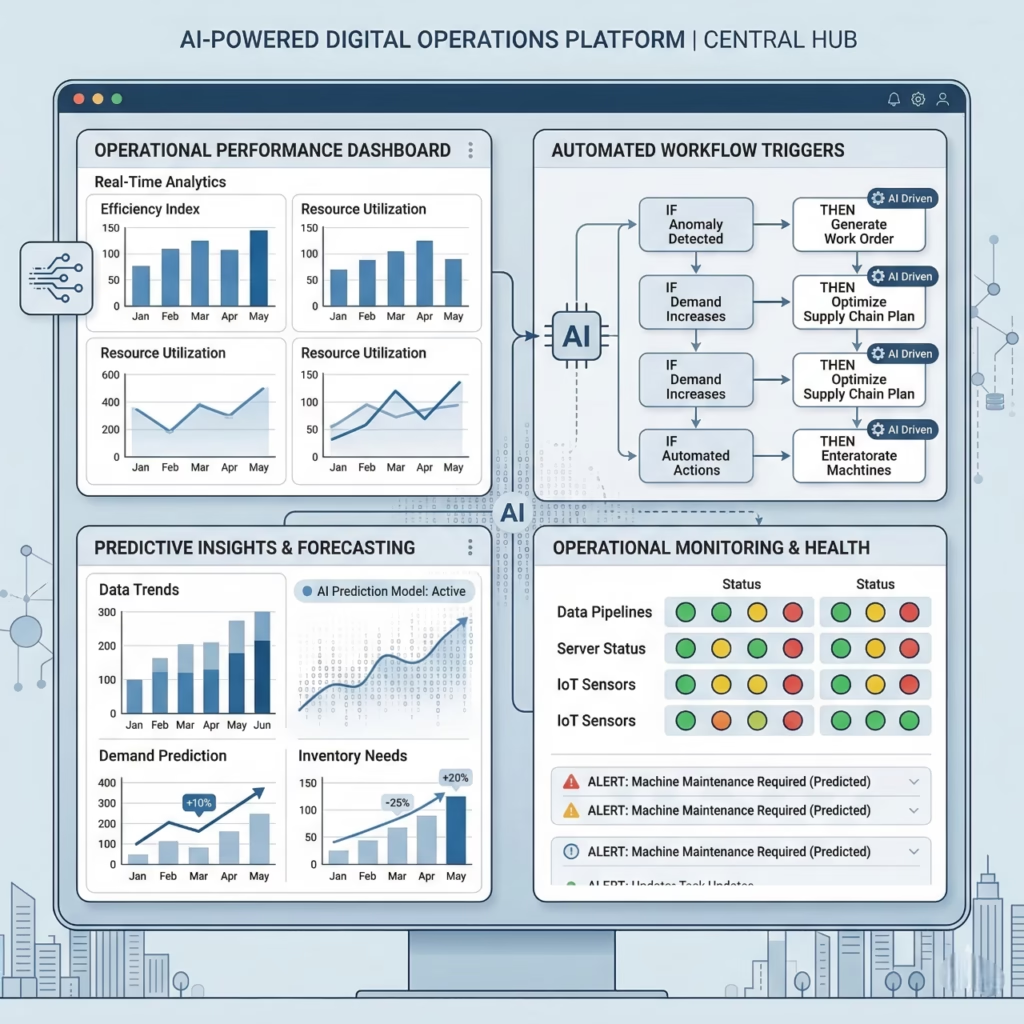
Artificial intelligence is increasingly being integrated into digital operations platforms to enhance automation and operational intelligence.
AI capabilities can include:
- predictive analytics for operational trends
- anomaly detection in operational workflows
- intelligent process automation
- performance forecasting
By combining operational management with AI-driven insights, organizations can make more proactive and data-driven decisions.
Conclusion
A digital operations platform plays a critical role in modern business environments by centralizing workflows, automating operational processes, and providing real-time insights across departments.
Organizations that continue relying on disconnected systems and manual processes often struggle with inefficiencies and limited operational visibility.
By adopting a unified digital operations platform, businesses can streamline operations, improve decision-making, and build scalable operational systems capable of supporting long-term growth.
As digital transformation continues to reshape business operations worldwide, digital operations platforms are becoming an essential foundation for organizations seeking efficiency, transparency, and operational agility.
Frequently Asked Questions
What is a digital operations platform?
A digital operations platform is a unified system that centralizes workflows, operational processes, data reporting, and team coordination within a single integrated platform.
How does a digital operations platform improve business efficiency?
By automating workflows, integrating business systems, and providing real-time operational visibility, digital operations platforms reduce manual processes and improve productivity.
How is a digital operations platform different from ERP?
ERP systems focus on financial and core business processes, while digital operations platforms manage workflow automation, operational coordination, and cross-department visibility.
Can small businesses use digital operations platforms?
Yes. Digital operations platforms can be designed to support businesses of all sizes by customizing workflows and operational modules.
Can AI be integrated into digital operations platforms?
Yes. AI can be used for predictive analytics, workflow automation, and operational intelligence to improve decision-making.
