Real-World Examples from Ukraine, Gaza, Syria, and the Iran–Israel Conflict
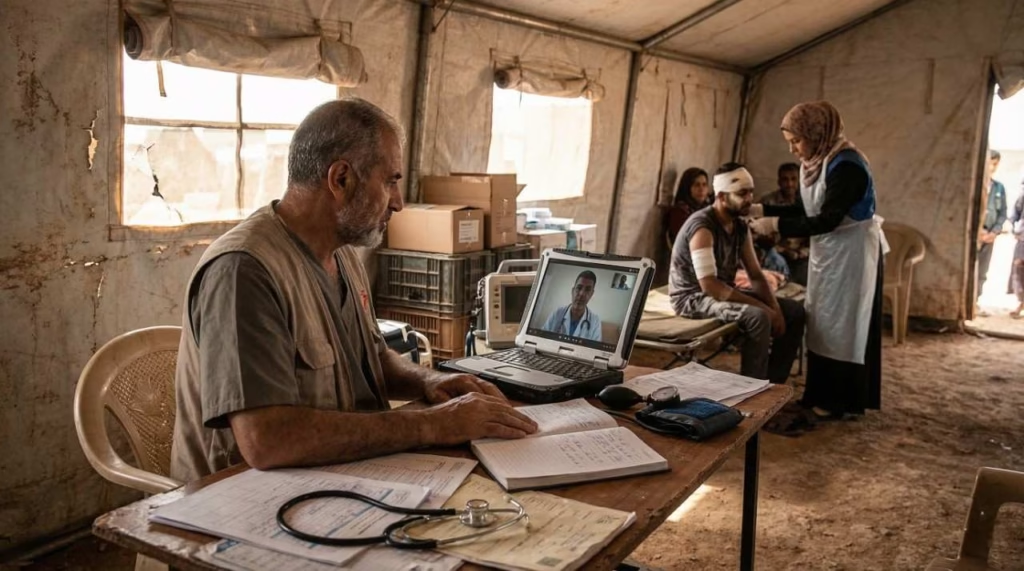
War places enormous pressure on healthcare systems in conflict zones. Hospitals are damaged or destroyed, doctors are displaced, and medicine supply chains break down, making healthcare in war zones extremely difficult to access. In these situations, telemedicine in war zones is becoming an essential solution that helps deliver remote healthcare during war.
In these situations, telemedicine has emerged as a powerful tool that helps doctors continue treating patients even when hospitals are overwhelmed or inaccessible.
Telemedicine allows healthcare providers to diagnose, monitor, and guide treatment remotely using digital technologies such as:
- Video consultations
- Mobile health applications
- Remote diagnostic tools
- Cloud-based medical platforms
- AI-assisted medical systems
In modern conflicts around the world from Ukraine and Gaza to Syria and tensions involving Iran and Israel telemedicine has become an important lifeline for both doctors and patients.
Cities like Kyiv, Kharkiv, Gaza City, Aleppo, and Tehran have all experienced disruptions to healthcare services during conflict. In many of these places, remote healthcare technologies and telemedicine platforms have helped maintain essential medical care when hospitals and infrastructure are damaged.
According to the World Health Organization (WHO), digital health technologies such as telemedicine play an increasingly important role in maintaining healthcare services during emergencies, disasters, and conflict situations.
This article explores how war affects telemedicine, including real-world examples, key benefits, major challenges, and what the future of digital healthcare in conflict zones might look like.
Why Telemedicine Becomes Critical During War

When armed conflict begins, healthcare infrastructure is often one of the first systems to be affected.
Hospitals may be damaged by airstrikes or shelling. Roads become unsafe, preventing patients from traveling. Medical staff may evacuate or be unable to reach hospitals. As a result, people with injuries, chronic illnesses, or psychological trauma struggle to receive treatment.
Telemedicine helps solve part of this problem by allowing doctors and patients to communicate remotely.
Through secure digital platforms, doctors can:
- Diagnose symptoms through video calls
- Provide treatment recommendations
- Monitor patient conditions remotely
- Guide local healthcare workers during emergencies
For example, during the war in Ukraine, doctors located in relatively safer regions such as Lviv were able to assist patients and healthcare workers in heavily affected cities like Kharkiv using remote medical platforms.
This type of remote collaboration allowed healthcare services to continue even when traditional systems were disrupted.
Quick Fact: What Is Telemedicine?
Telemedicine is the use of digital communication technology to deliver healthcare services remotely.
Common telemedicine tools include:
- Video consultations with doctors
- Mobile health monitoring apps
- Remote diagnostic tools
- Digital medical records
- AI-based diagnostic systems
These technologies allow doctors to provide medical advice and treatment without requiring patients to visit hospitals in person.
Telemedicine During the Russia–Ukraine War

The Russia–Ukraine war provides one of the clearest examples of how telemedicine can support healthcare during modern conflict.
Cities like Kyiv and Kharkiv faced intense pressure on hospitals due to war-related injuries and infrastructure damage. Many hospitals had to operate with limited resources.
Telemedicine platforms helped reduce this pressure by enabling doctors to conduct consultations remotely.
Doctors inside Ukraine also used secure communication platforms to connect with international medical specialists.
For example:
- Surgeons performing complex operations sometimes received live guidance from specialists in Germany or the United Kingdom through video consultations.
- Remote experts helped interpret medical scans and diagnostic data.
- Doctors collaborated across borders to improve patient outcomes.
Telemedicine was also widely used for mental health support.
Millions of Ukrainians experienced trauma, stress, and displacement due to the war. Online counseling platforms allowed psychologists and therapists from around the world to provide support remotely.
Example: Remote Surgery Guidance
In several cases during the Ukraine conflict, local surgeons performed emergency procedures while international specialists joined via secure video platforms.
These remote consultations helped:
- Guide surgical decisions
- Review patient imaging
- Recommend treatment plans
This global collaboration helped improve outcomes during critical medical situations.
Telemedicine in Gaza: Healthcare Under Conflict
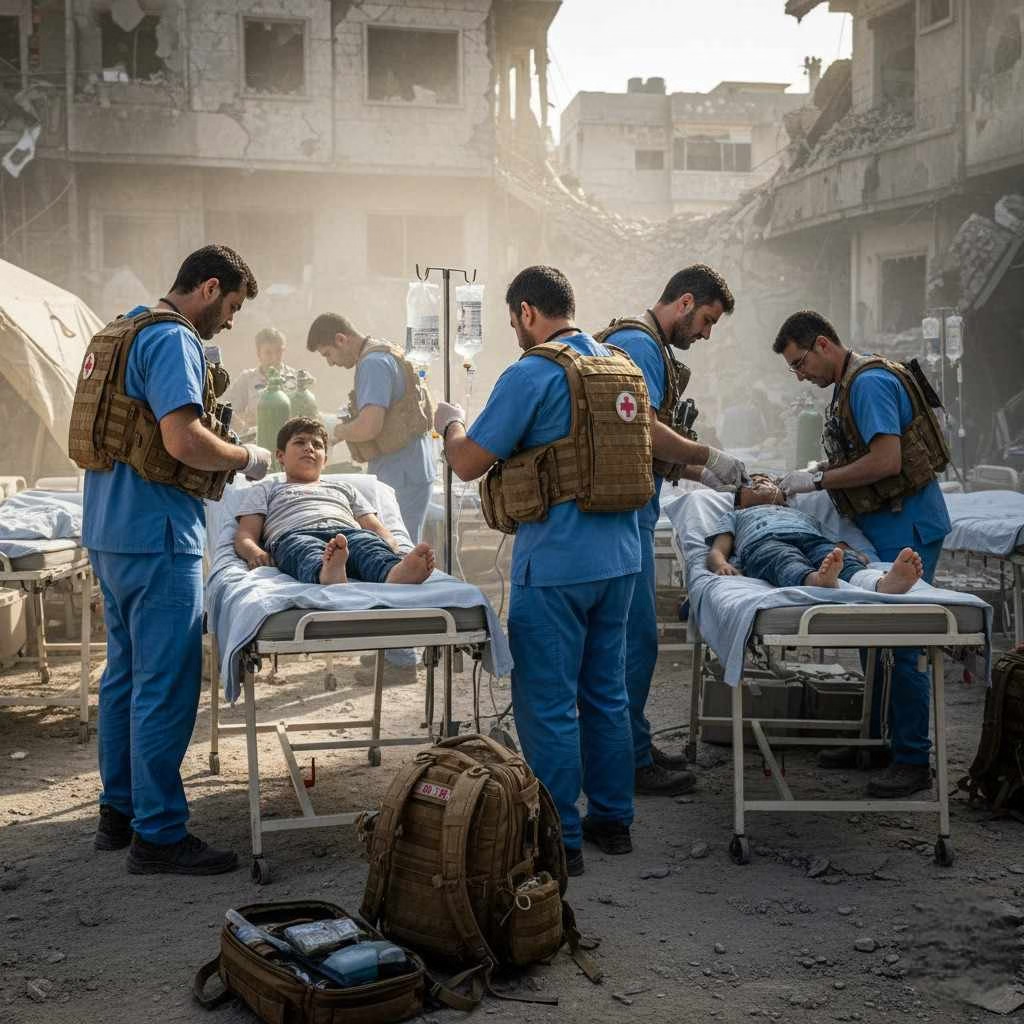
The Gaza Strip has faced repeated conflicts that have placed enormous pressure on its healthcare system.
Hospitals in Gaza City frequently experience shortages of:
- Medicines
- Medical equipment
- Specialized doctors
Telemedicine has helped bridge this gap by connecting local doctors with specialists in other countries.
Through digital healthcare platforms, doctors in Gaza can consult experts in countries such as:
- Egypt
- Jordan
- Turkey
These consultations allow healthcare providers to:
- Diagnose complex medical conditions
- Develop treatment plans
- Receive specialist guidance for difficult cases
Telemedicine has also played an important role in mental health services.
Years of conflict and displacement have created widespread psychological trauma. Online counseling services allow patients to access mental health support even when travel to hospitals is unsafe.
Syria: Telemedicine in Long-Term Conflict Zones
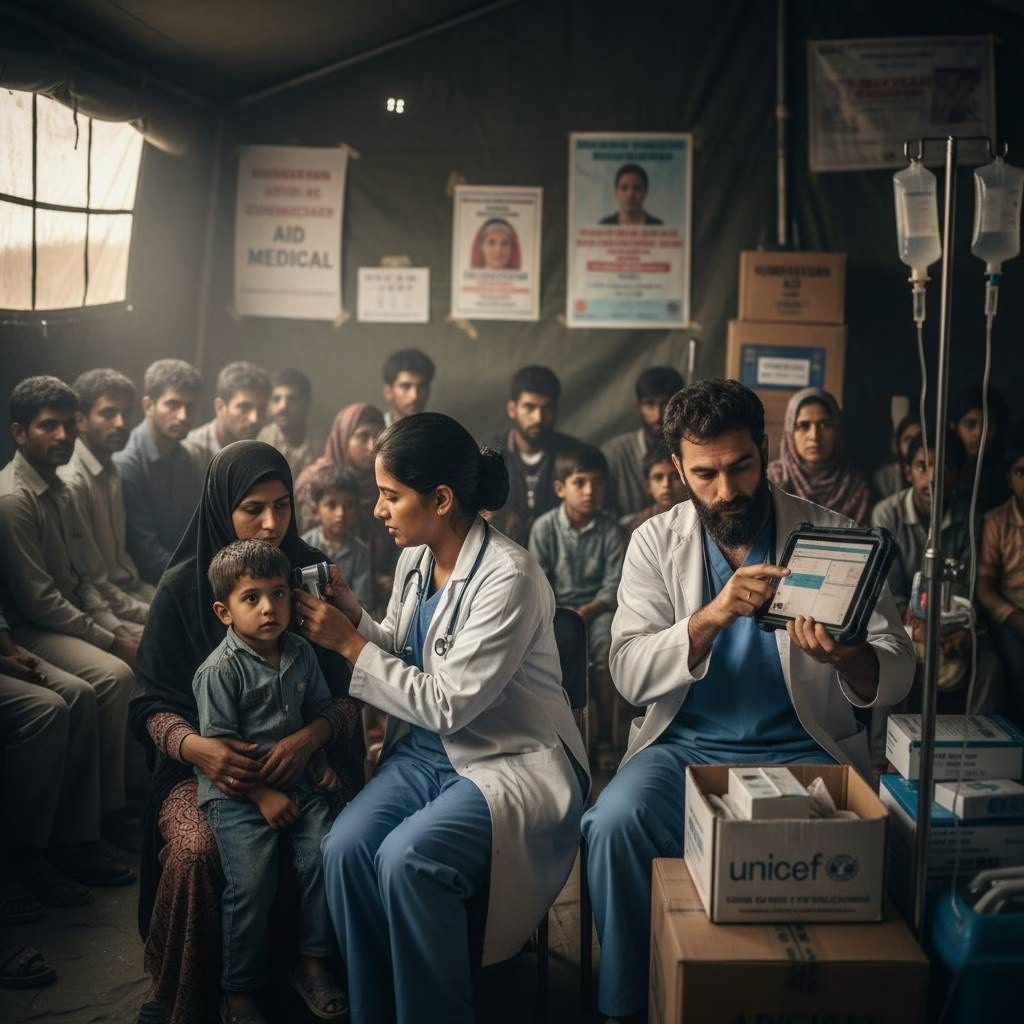
The civil war in Syria has destroyed large parts of the country’s healthcare infrastructure.
Cities such as Aleppo and Idlib have faced severe shortages of hospitals, medical equipment, and trained healthcare professionals.
To help address this crisis, humanitarian organizations introduced telemedicine programs that connect local doctors with international specialists.
For example:
A doctor working in Aleppo might consult with medical experts in Berlin or London through secure online platforms.
These remote consultations help local doctors treat complex medical cases that would otherwise require specialized expertise.
Telemedicine has also helped Syrian doctors continue their medical education.
International universities and healthcare organizations provide:
- Remote medical training programs
- Online workshops
- Live webinars
This helps healthcare workers in conflict zones stay updated on modern medical practices.
Telemedicine for Medical Training
Telemedicine is not only used for patient care. It is also helping doctors in conflict zones improve their skills through:
- Remote lectures
- International case discussions
- Online surgical training
- Medical research collaboration
This knowledge sharing strengthens healthcare systems even during prolonged conflicts.
Iran–Israel–US Tensions and Healthcare Technology
Recent geopolitical tensions involving Iran, Israel, and the United States have also highlighted how modern conflicts affect healthcare infrastructure.
Cities such as Tehran, Tel Aviv, and Haifa have faced disruptions caused by missile threats, cyber warfare, and infrastructure attacks.
Unlike traditional warfare, modern conflicts often include cyber operations that target digital systems.
Hospitals and healthcare networks are particularly vulnerable because they rely heavily on:
- Internet connectivity
- Cloud infrastructure
- Digital patient records
Cyberattacks can disrupt hospital operations or compromise medical data.
However, telemedicine can also help mitigate some of these risks.
Doctors can connect with specialists around the world and continue providing medical care even when local hospitals are under pressure.
Benefits of Telemedicine in War Zones
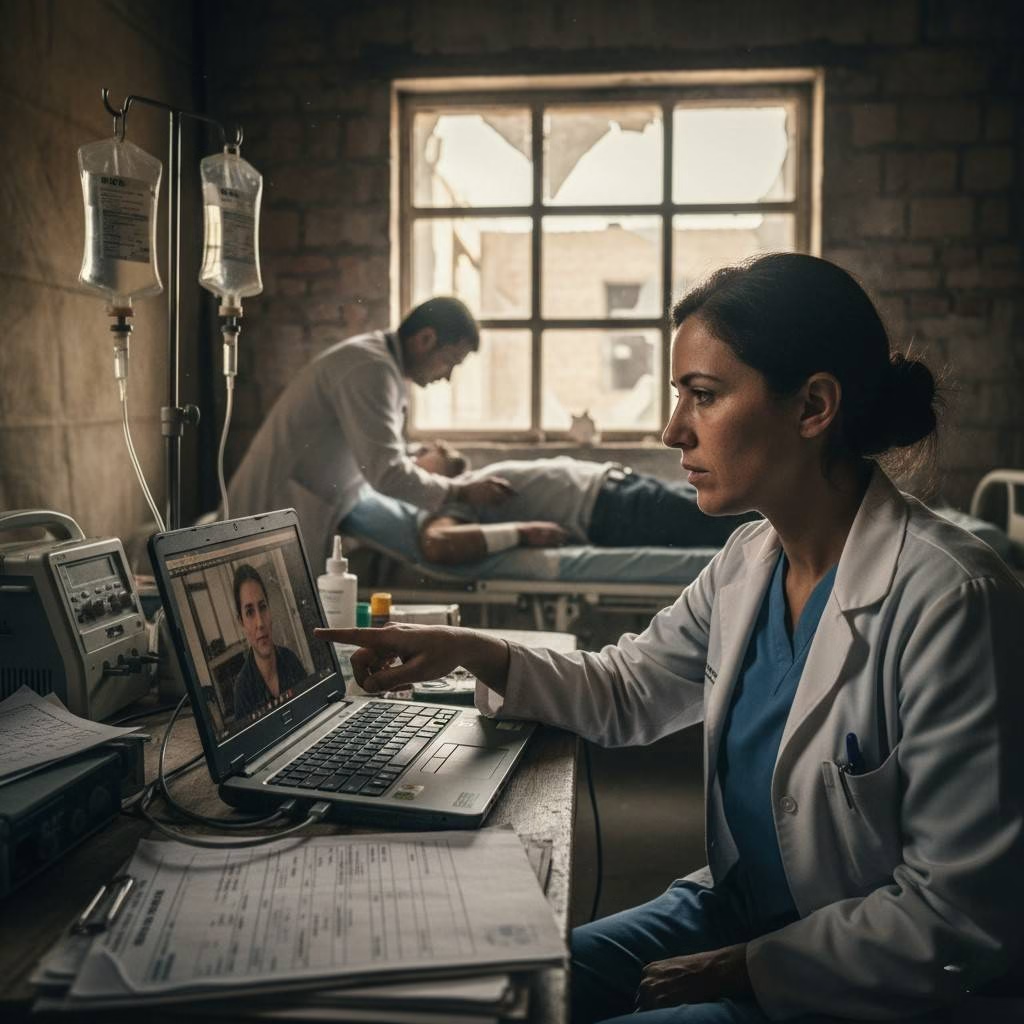
Telemedicine provides several important advantages in conflict environments.
1. Access to Global Medical Expertise
Doctors working in conflict zones can collaborate with specialists from around the world.
For example, a medical team in Kyiv may consult with surgeons in Boston or London.
This global collaboration improves diagnosis and treatment quality.
2. Reduced Travel Risks
Travel during war can be extremely dangerous due to damaged roads, checkpoints, and active conflict zones.
Telemedicine allows patients to receive medical advice without leaving their homes or shelters.
3. Mental Health Support
War causes severe psychological trauma.
Telemedicine platforms allow therapists and psychologists from different countries to provide remote counseling services.
This support can be critical for civilians dealing with stress, anxiety, and grief.
4. Continuity of Care for Chronic Patients
Patients with chronic conditions such as:
- Diabetes
- Heart disease
- Cancer
- Asthma
require regular monitoring and medical advice.
Telemedicine allows doctors to continue managing these conditions even when hospitals are difficult to access.
Challenges Facing Telemedicine in Conflict Areas

Despite its benefits, telemedicine also faces significant challenges during war.
Infrastructure Damage
Internet networks, communication towers, and data centers may be destroyed during military operations.
Without reliable connectivity, telemedicine services cannot function effectively.
Power Outages
Frequent electricity shortages make it difficult to operate digital healthcare systems.
Hospitals often rely on backup generators, which may not always be available.
Cybersecurity Threats
Modern warfare includes cyberattacks targeting hospitals and healthcare platforms.
Protecting patient data and medical systems is a major challenge.
Limited Medical Equipment
Telemedicine allows remote consultations but cannot replace physical medical equipment required for surgeries or emergency treatment.
Doctors still need access to hospitals, medical tools, and medicines.
The Role of AI in Future War-Zone Healthcare
Artificial intelligence is becoming an important component of modern telemedicine systems.
AI tools can assist doctors by:
- Analyzing medical images such as X-rays and CT scans
- Monitoring patient health data in real time
- Supporting faster diagnosis
- Helping prioritize patients during emergencies
For example, doctors in Kyiv could upload an X-ray image to a cloud platform where AI software analyzes it instantly and provides diagnostic suggestions.
AI chatbots can also help triage patients by analyzing symptoms and directing them to appropriate healthcare services.
In the future, wearable health devices connected to telemedicine platforms may allow doctors to monitor patients continuously even during emergencies.
Future Telemedicine Technologies
Healthcare organizations are exploring new technologies that could improve telemedicine in conflict zones:
- Satellite internet for hospitals
- Portable telemedicine kits for disaster areas
- AI-powered diagnostic tools
- Secure encrypted healthcare communication platforms
These innovations could make healthcare systems more resilient during crises.
The Future of Telemedicine in Conflict Zones
As conflicts continue to affect regions around the world, telemedicine will likely become a key component of global healthcare resilience.
Governments, humanitarian organizations, and technology companies are increasingly investing in digital healthcare infrastructure that can function even during emergencies.
The combination of:
- Telemedicine platforms
- AI diagnostic systems
- Cloud healthcare networks
- Global medical collaboration
is helping create a more flexible healthcare system that can adapt to difficult conditions.
Conclusion
War severely disrupts healthcare systems by damaging hospitals, displacing medical workers, and limiting access to treatment.
However, telemedicine has emerged as a powerful solution that helps maintain healthcare services during conflict.
From remote consultations in Ukraine to international medical collaborations supporting doctors in Gaza, Syria, and Iran, telemedicine is playing an increasingly important role in modern healthcare.
As digital health technologies continue to evolve, telemedicine combined with AI, cloud computing, and global medical collaboration will become even more critical in ensuring that healthcare remains accessible during crises.
Ultimately, telemedicine demonstrates that technology can help protect one of the most fundamental human rights even during war:
Access to healthcare.
