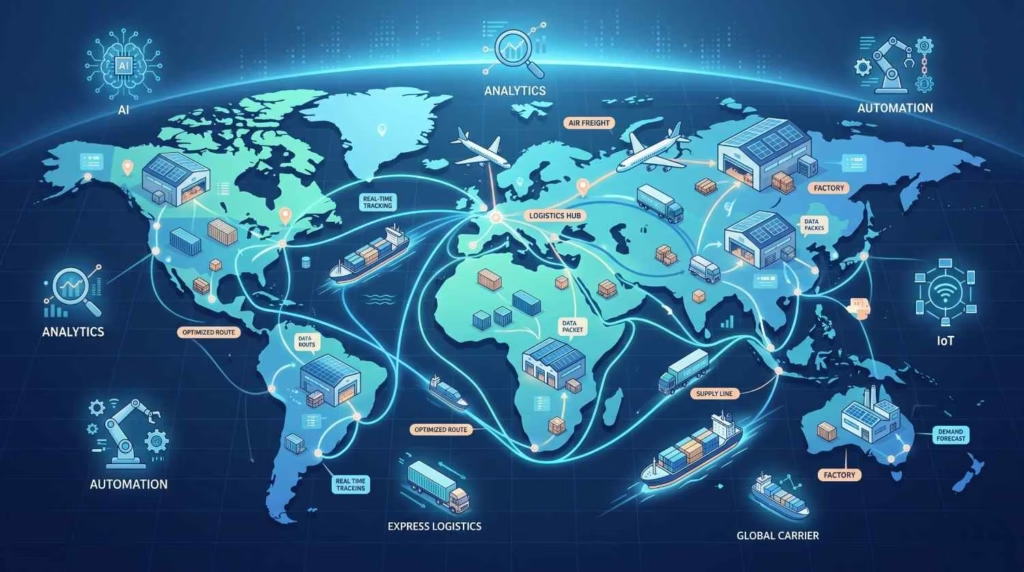
The global supply chain ecosystem is undergoing a massive transformation. In 2026, businesses are no longer relying on spreadsheets, disconnected systems, or manual logistics processes. Instead, they are adopting intelligent, automated, and data-driven supply chain applications that provide real-time visibility and operational control.
From e-commerce platforms and manufacturing companies to healthcare providers and retail chains, organizations are investing heavily in supply chain application development to improve efficiency, reduce operational costs, and enhance customer experience.
With increasing complexity in global supply chains, disruptions, and demand volatility, digital transformation is no longer optional it is essential.
However, one critical question remains for decision-makers:
How much does supply chain application development cost in 2026, and what value does it deliver?
This comprehensive guide explores everything you need to know, including cost, features, pricing models, ROI, development process, and future trends.
What is a Supply Chain Application?
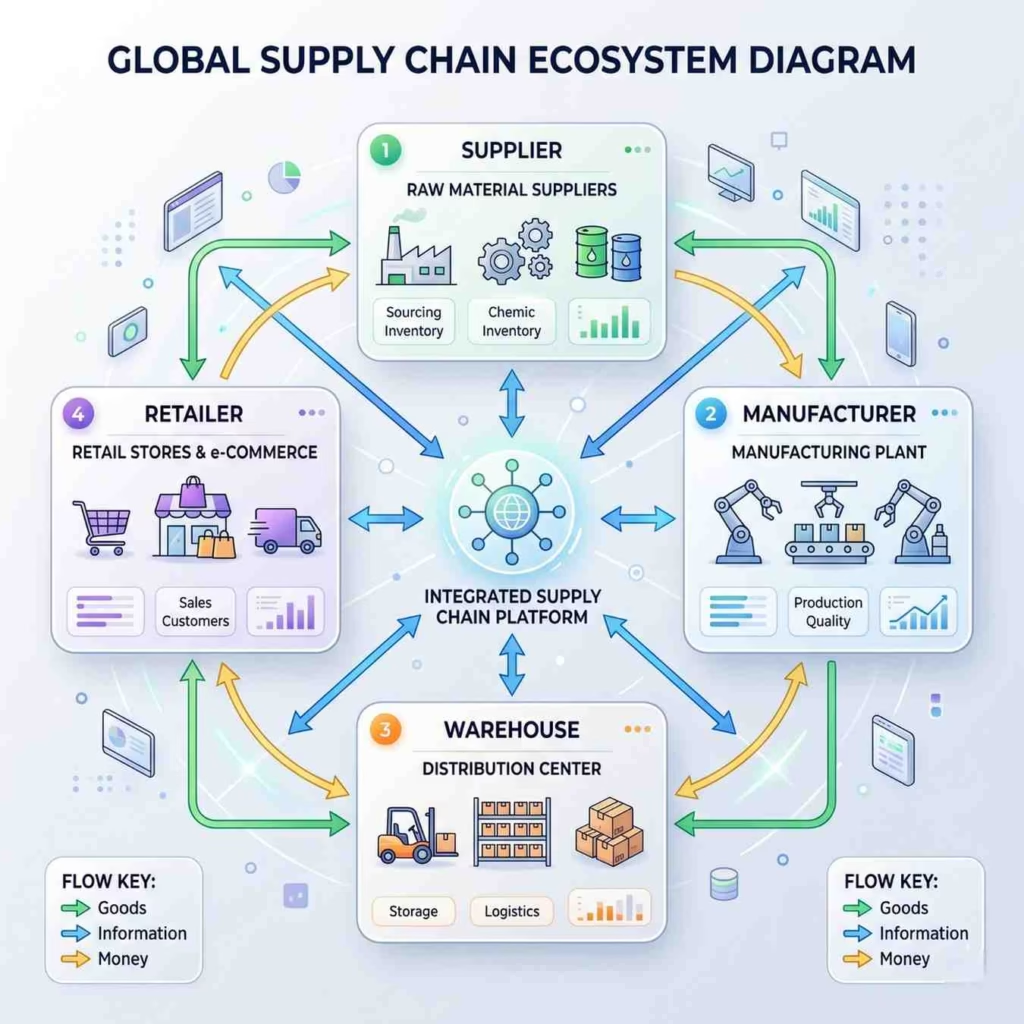
A supply chain application is a software solution designed to manage, monitor, and optimise the movement of goods, information, and finances across the entire supply chain.
It connects multiple stakeholders, including suppliers, manufacturers, warehouses, logistics providers, and retailers, into a unified digital system.
Modern supply chain management applications go beyond basic tracking. They leverage AI, analytics, and automation to improve efficiency and decision-making.
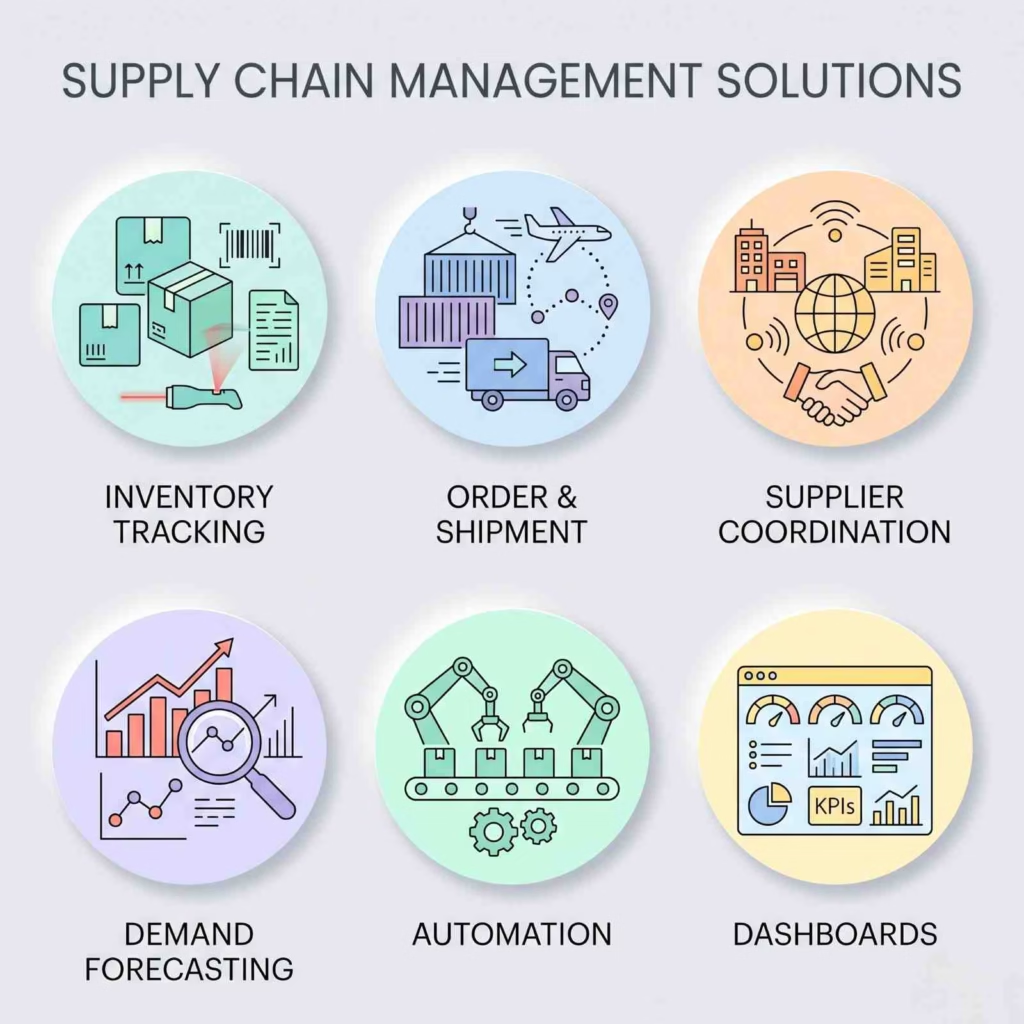
Key Capabilities:
- Real-time inventory tracking
- Order and shipment management
- Supplier and vendor coordination
- Demand forecasting and analytics
- Workflow automation
- Performance reporting dashboards
These capabilities make supply chain applications essential for modern businesses.
Why Supply Chain Applications are Critical in 2026
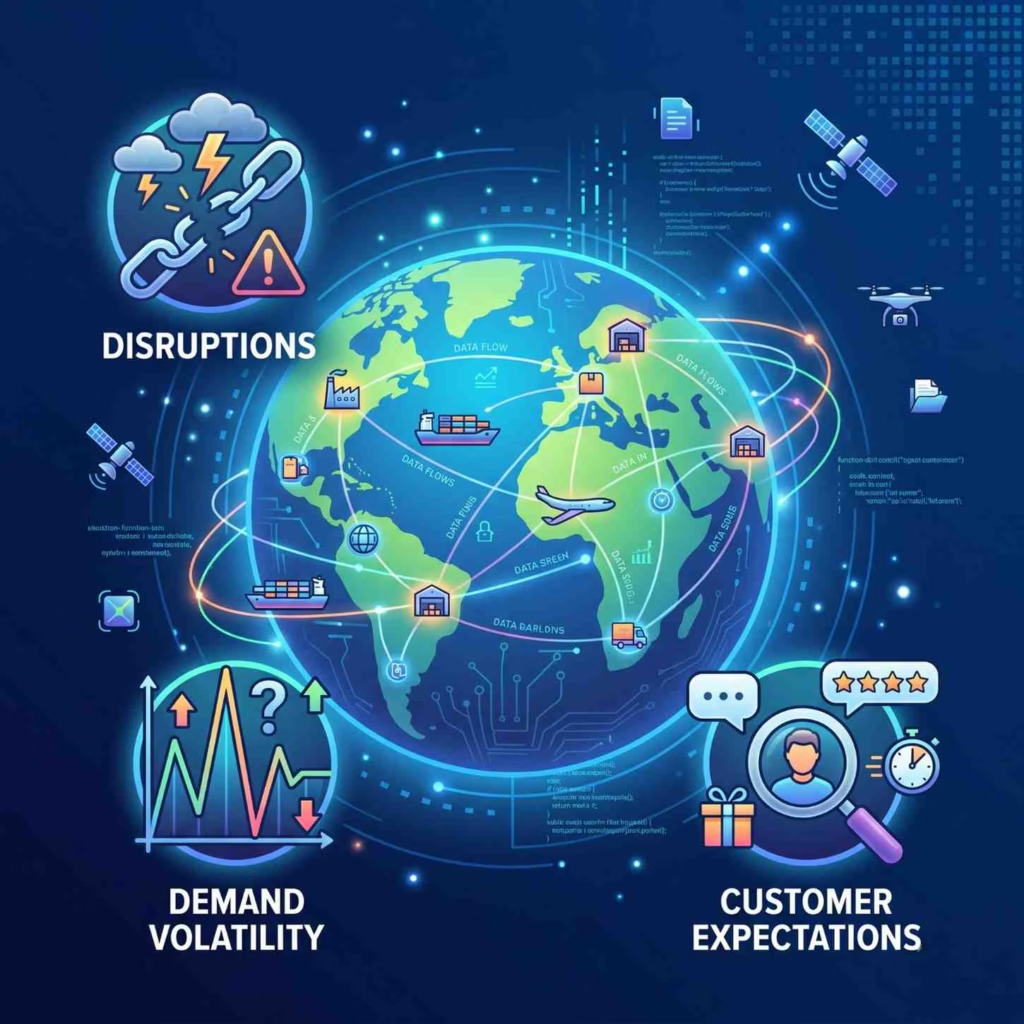
In 2026, supply chains have become more complex, interconnected, and unpredictable than ever before. Global disruptions, fluctuating demand, and rising customer expectations are pushing businesses to move beyond traditional systems and adopt smarter, technology-driven solutions.
Modern supply chain applications are no longer optional they are essential for organizations that want to remain competitive, efficient, and resilient in a rapidly evolving market.
Key Reasons Businesses Invest in Supply Chain Applications
Improved Visibility Across Operations
Supply chain applications provide real-time insights into inventory, shipments, and supplier activities, enabling businesses to monitor operations end-to-end.
Result: Better control, reduced delays, and improved transparency.
Faster, Data-Driven Decision Making
With integrated analytics and real-time data, businesses can make informed decisions quickly, whether it’s adjusting inventory levels or optimizing logistics routes.
Result: Increased agility and reduced response time to market changes.
Reduced Operational and Logistics Costs
Automation and optimization tools help minimize manual work, reduce errors, and lower transportation and storage costs.
Result: Significant cost savings and improved operational efficiency.
Enhanced Customer Satisfaction
Accurate tracking, faster deliveries, and reliable service improve the overall customer experience.
Result: Higher retention rates and stronger brand trust.
Scalability for Business Growth
Modern supply chain application software is designed to scale with your business, supporting increased demand, new markets, and expanding operations.
Result: Sustainable growth without operational bottlenecks.
Types of Supply Chain Applications
Supply chain applications are designed to address different stages of the supply chain, from inventory management to end-to-end operational control. Understanding these types helps businesses choose the right solution based on their specific needs and operational complexity.
1. Inventory Management Applications
Inventory management applications focus on maintaining optimal stock levels and ensuring smooth warehouse operations.
- Real-time tracking of inventory across multiple locations
- Automated stock updates and alerts
- Warehouse optimization and space utilization
- Prevention of stock shortages and overstocking
Result: Improved inventory accuracy, reduced wastage, and better stock control.
2. Logistics & Transportation Applications
These applications streamline the movement of goods and optimize transportation processes.
- Route optimization for faster and cost-effective deliveries
- Fleet tracking and vehicle management
- Real-time shipment tracking and updates
- Delivery scheduling and automation
Result: Reduced transportation costs and improved delivery efficiency.
3. Supplier Management Systems
Supplier management applications help businesses manage vendor relationships and procurement processes efficiently.
- Centralized vendor communication and collaboration
- Procurement and order tracking
- Supplier performance monitoring and analytics
- Contract and compliance management
Result: Stronger supplier relationships and more efficient procurement workflows.
4. Demand Forecasting Applications
Demand forecasting tools use data and AI to predict future demand and optimize planning.
- AI-based demand prediction using historical and real-time data
- Sales trend analysis and pattern recognition
- Production and inventory planning
- Risk assessment and scenario planning
Result: Better planning, reduced stockouts, and improved operational efficiency.
5. End-to-End Supply Chain Platforms
These platforms provide a unified system that integrates all supply chain processes into a single interface.
- Centralized control of all supply chain operations
- Real-time data integration across systems
- End-to-end visibility from suppliers to customers
- Advanced analytics and reporting dashboards
Result: Complete operational transparency, improved coordination, and scalable supply chain management.
Supply Chain Application Development Cost in 2026
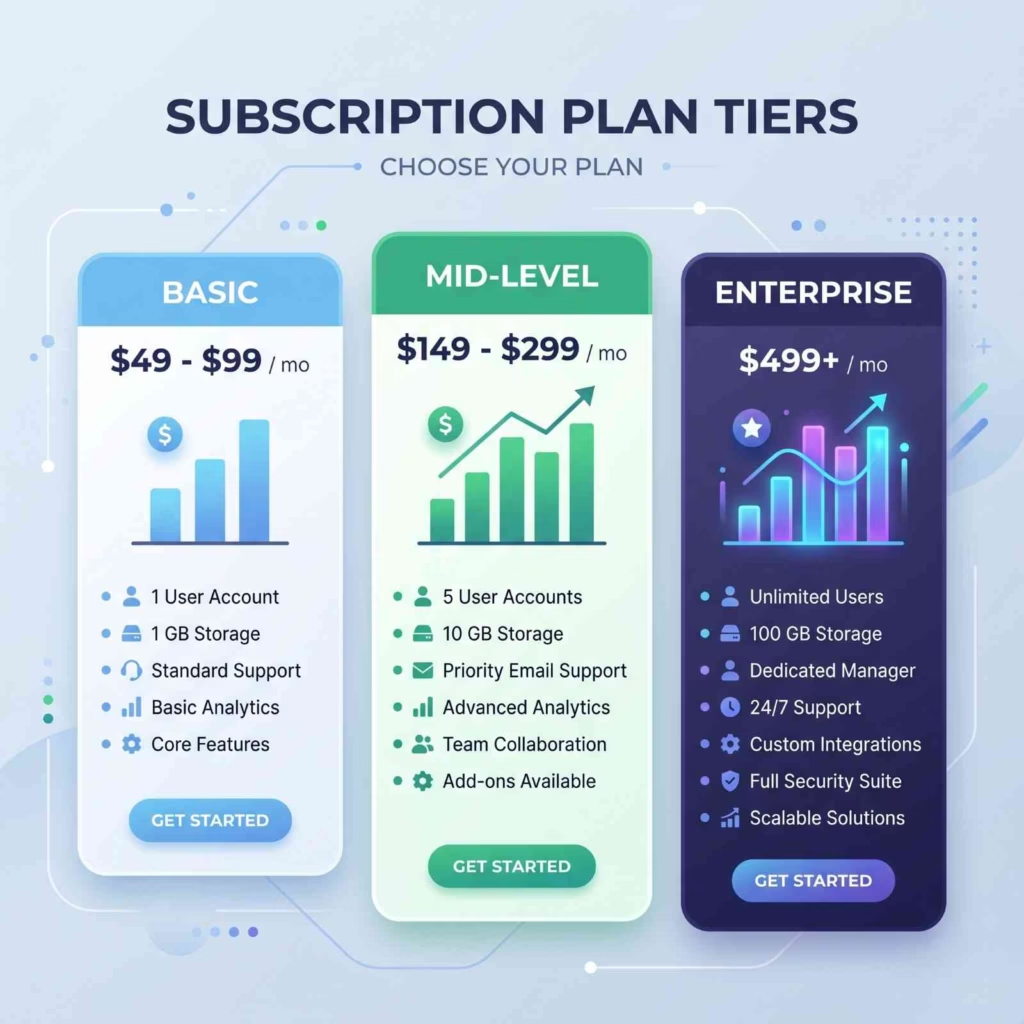
Understanding the supply chain application development cost in 2026 is essential for businesses planning to invest in digital transformation. The total cost varies significantly based on application complexity, features, integrations, and the development approach.
The cost to build a supply chain application typically ranges from $15,000 to $150,000+, with enterprise-grade solutions exceeding this range depending on customization and scale.
Cost Breakdown by Complexity
The complexity of your application is the biggest factor influencing the overall development cost.
| Type | Cost Range | Timeline | Best For |
| Basic Application | $15K – $30K | 1–2 months | Startups and small businesses |
| Mid-Level Application | $30K – $80K | 2–4 months | Growing companies (SMEs) |
| Enterprise Application | $80K – $150K+ | 4–8 months | Large enterprises with complex operations |
As your requirements grow such as multi-location management, advanced analytics, or integrations the cost increases accordingly.
Detailed Feature-Based Cost Breakdown
Each feature contributes to the total supply chain application development cost, depending on its complexity and implementation effort.
| Feature | Estimated Cost Impact |
| Inventory Management | $5K – $15K |
| Order Tracking System | $5K – $20K |
| Supplier Management | $5K – $15K |
| AI-Based Forecasting | $10K – $30K |
| IoT Integration | $10K – $25K |
| Analytics Dashboard | $5K – $15K |
Insight:
Advanced features like AI forecasting and IoT integration significantly increase development cost but provide higher long-term ROI.
Development Cost by Region
The geographical location of your development team plays a major role in determining the cost.
| Region | Hourly Rate |
| USA | $100 – $250 |
| Europe | $80 – $180 |
| India | $20 – $70 |
Insight: Outsourcing to cost-effective regions like India can reduce the cost of supply chain application development by up to 50–60% without compromising quality, especially when working with experienced teams.
What Drives the Cost?
Several key factors influence the final pricing:
- Application complexity: More modules and workflows increase cost
- Integrations: ERP, CRM, and third-party APIs add development effort
- Technology stack: AI, IoT, and cloud solutions impact pricing
- UI/UX design: Advanced interfaces require more resources
- Scalability requirements: Enterprise systems need robust architecture
Pricing Models Explained
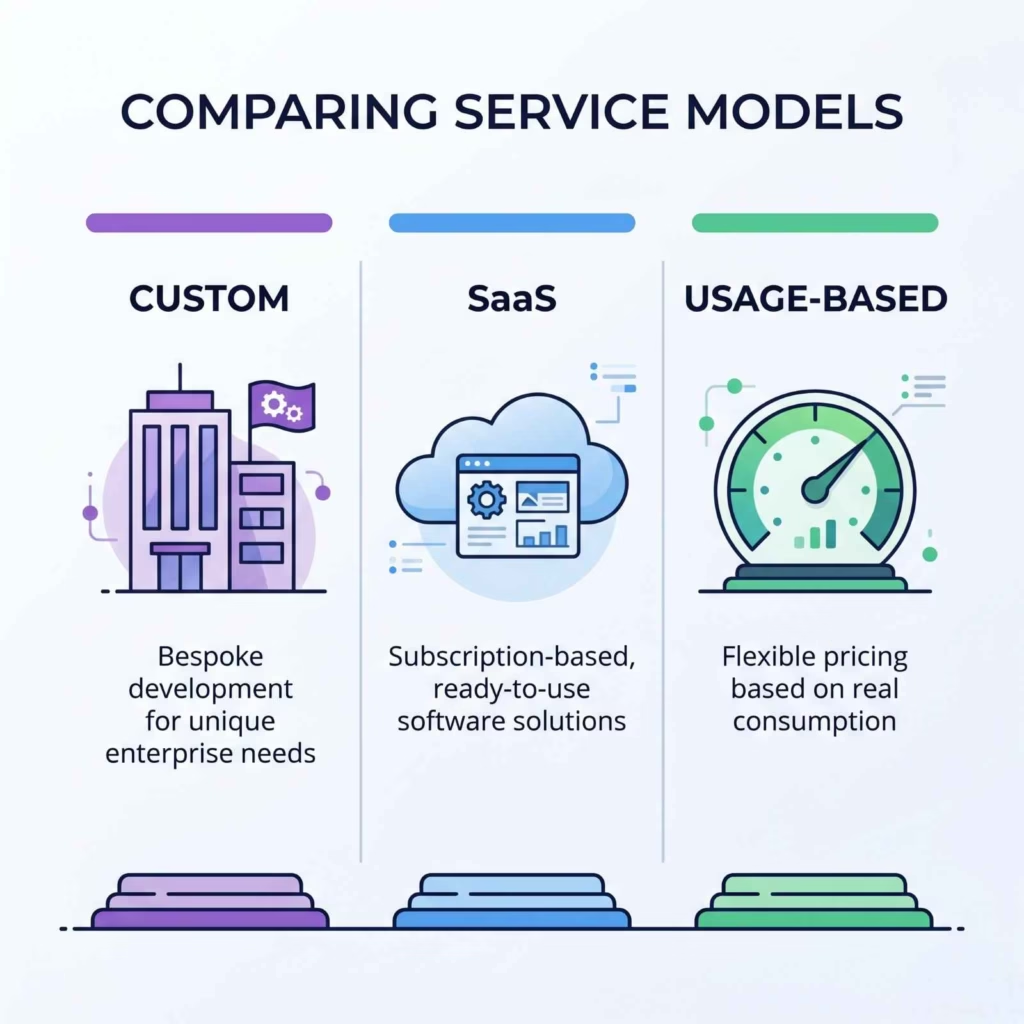
The cost of supply chain application development in 2026 is not fixed it varies based on the pricing model you choose. Each model is designed to suit different business needs, budgets, and scalability requirements.
Quick Answer:
- Custom = High upfront cost, long-term asset
- SaaS = Low upfront, recurring subscription
- Usage-based = Flexible, pay-as-you-scale
1. Custom Development (One-Time Investment)
Custom development involves building a supply chain application from scratch, tailored specifically to your business requirements.
Key Characteristics:
- One-time development cost
- Full ownership of the software
- Highly scalable and customizable
Best For:
- Enterprises with complex workflows
- Businesses needing deep integrations (ERP, CRM, logistics systems)
- Long-term digital transformation strategies
Considerations:
- Higher upfront investment
- Development time (2–6 months or more)
- Requires ongoing maintenance
Insight:
Custom development is ideal when your supply chain system is a core business asset that requires full control and flexibility.
2. SaaS Model (Subscription-Based)
The SaaS (Software-as-a-Service) model provides ready-made supply chain solutions through a monthly or yearly subscription.
Key Characteristics:
- Low upfront cost
- Fast deployment (within days or weeks)
- Managed hosting and maintenance
Best For:
- Startups and small businesses
- Companies testing new supply chain solutions
- Businesses needing quick implementation
Limitations:
- Limited customization options
- Vendor dependency
- Costs may increase as usage grows
Insight:
SaaS solutions are perfect for validating your business model before investing in full-scale custom development.
3. Usage-Based Model (Pay-as-You-Go)
This model charges businesses based on usage, such as API calls, transactions, or data processing.
Key Characteristics:
- Pay only for what you use
- Highly scalable pricing
- Flexible cost structure
Best For:
- High-traffic supply chain systems
- AI-driven applications with variable usage
- Businesses with fluctuating demand
Considerations:
- Costs can increase with scale
- Requires monitoring and optimization
Insight:
Usage-based pricing is ideal for businesses that need flexibility and want to align costs directly with system usage.
Pricing Model Comparison
| Model | Cost Type | Flexibility | Scalability | Best For |
| Custom Development | One-time | High | Very High | Enterprises |
| SaaS Subscription | Monthly | Medium | Medium | Startups |
| Usage-Based | Variable | High | High | AI-driven apps |
Hidden Costs of Supply Chain Applications
Beyond development, businesses must consider ongoing costs:
- Cloud hosting: $50 – $500/month
- Maintenance: 15–25% annually
- API usage: $50 – $5,000/month
- Data training: $2K – $10K
ROI of Supply Chain Applications
Investing in supply chain application development delivers strong and measurable ROI by optimizing operations, reducing costs, and improving overall business performance. In 2026, companies are no longer viewing supply chain software as an expense but as a high-return strategic investment.
Key ROI Metrics
Modern supply chain applications generate value across multiple operational areas:
| Metric | Impact |
| Cost Reduction | 20–40% decrease in logistics and operational expenses |
| Delivery Efficiency | Up to 30% faster delivery timelines |
| Inventory Accuracy | Improvement of 20–25% in stock management |
| Customer Satisfaction | Increase of 15–20% due to better service reliability |
Where ROI Comes From
The return on investment is driven by several key improvements:
- Automation of manual processes reduces labor costs and human errors
- Real-time visibility enables faster and more accurate decision-making
- Optimized logistics and routing lower transportation costs
- Demand forecasting minimizes overstocking and stockouts
- Data-driven insights improve planning and operational efficiency
Real-World Example
Consider a mid-sized company investing $50,000 in a custom supply chain application:
- Reduced logistics and operational costs by 25–35%
- Improved delivery timelines by 20–30%
- Minimized inventory losses and wastage
Result: The company saves over $150,000 annually, achieving a full return on investment within the first year.
Key Insight
The true value of supply chain application development lies not just in cost savings, but in creating a more agile, scalable, and resilient business model. Companies that invest in these systems early gain long-term competitive advantages and sustained profitability.
Technology Stack for Supply Chain Applications
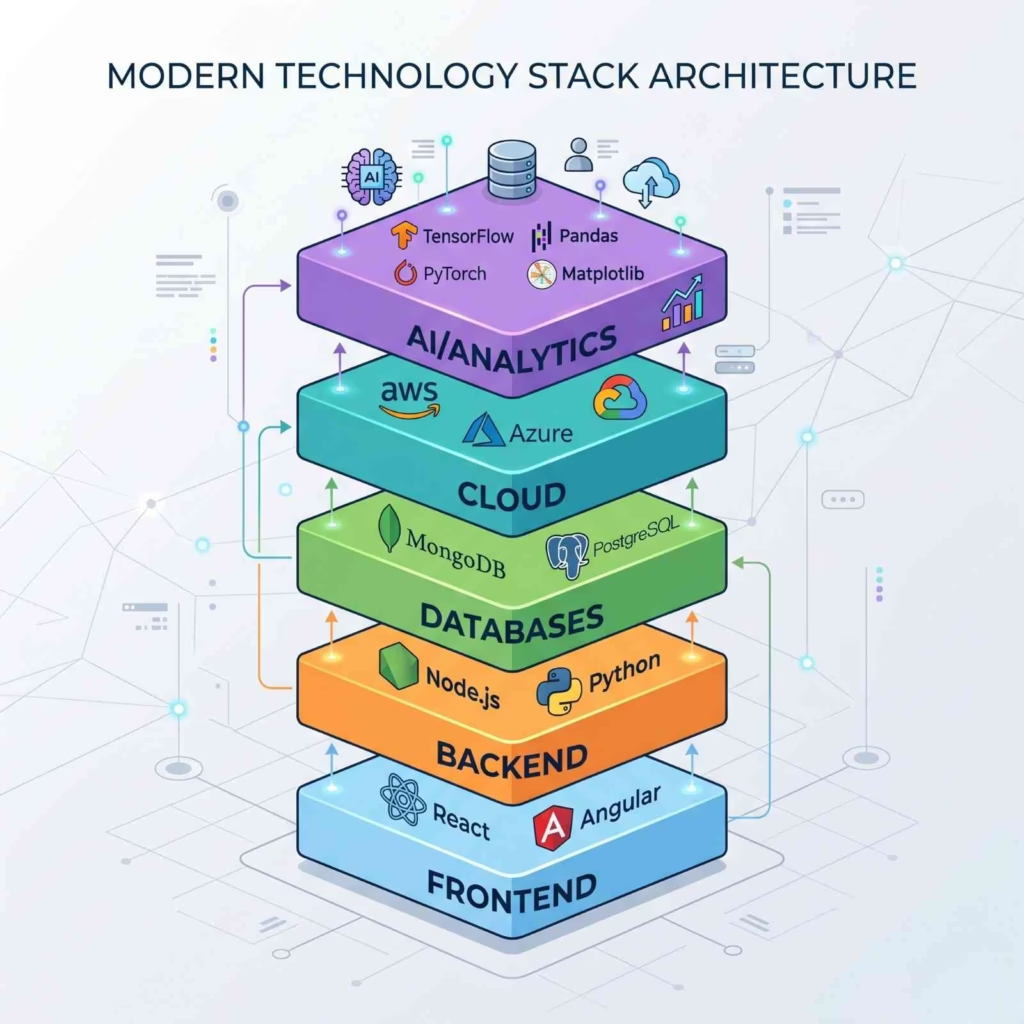
Choosing the right technology stack is a critical factor in successful supply chain application development. A well-structured stack ensures scalability, performance, security, and seamless integration across multiple systems.
Modern supply chain applications rely on a combination of frontend, backend, cloud infrastructure, and advanced analytics technologies to deliver real-time insights and automation.
Frontend Technologies
The frontend layer focuses on delivering a smooth and intuitive user experience for dashboards, tracking systems, and analytics interfaces.
- React: Ideal for building dynamic, responsive, and scalable user interfaces
- Angular: Suitable for enterprise-grade applications with structured architecture
These frameworks help create interactive dashboards for inventory tracking, analytics, and real-time monitoring.
Backend Technologies
The backend handles business logic, data processing, integrations, and system performance.
- Node.js: High-performance, event-driven architecture for real-time applications
- Python: Powerful for data processing, AI integration, and predictive analytics
Backend technologies ensure seamless communication between systems like ERP, CRM, and logistics platforms.
Database Technologies
Databases store and manage large volumes of supply chain data efficiently.
- MongoDB: NoSQL database for handling unstructured and real-time data
- PostgreSQL: Relational database for structured data and complex queries
These databases support scalability and high-speed data processing required for supply chain operations.
Cloud Infrastructure
Cloud platforms enable scalability, flexibility, and cost efficiency in supply chain applications.
- AWS (Amazon Web Services): Widely used for scalable and secure cloud solutions
- Microsoft Azure: Strong integration with enterprise systems and AI tools
- Google Cloud Platform: Advanced analytics and machine learning capabilities
Cloud infrastructure eliminates the need for on-premise systems and supports global operations.
AI & Analytics Technologies
AI and analytics play a vital role in modern supply chain systems by enabling predictive and data-driven decision-making.
- Machine Learning Models: Used for demand forecasting, risk analysis, and optimization
- Predictive Analytics Tools: Help identify trends, reduce uncertainties, and improve planning
These technologies transform supply chain applications from reactive systems into proactive and intelligent platforms.
Emerging Trends in Supply Chain Applications
The future of supply chain applications is being shaped by rapid advancements in intelligent technologies. In 2026, businesses are moving beyond traditional systems and adopting smarter, automated, and data-driven solutions to stay competitive in a dynamic global market.
These emerging trends are not only improving operational efficiency but also transforming supply chains into predictive, autonomous, and highly responsive ecosystems.
AI & Machine Learning
Artificial Intelligence and Machine Learning are at the core of modern supply chain application development. These technologies enable systems to analyze large volumes of data and make accurate predictions.
- Predictive demand forecasting based on historical and real-time data
- Intelligent automation of repetitive processes
- Risk detection and proactive decision-making
Impact: Reduced forecasting errors, improved planning, and faster decision-making.
IoT (Internet of Things)
IoT is revolutionizing supply chain visibility by connecting physical assets to digital systems.
- Real-time tracking of goods, vehicles, and inventory
- Smart sensors for temperature, location, and condition monitoring
- Automated alerts for delays or disruptions
Impact: Increased transparency, better asset utilization, and real-time monitoring.
Blockchain Technology
Blockchain is enhancing trust and security in supply chain operations.
- Secure and tamper-proof transaction records
- End-to-end transparency across stakeholders
- Improved traceability of products and materials
Impact: Reduced fraud, better compliance, and increased trust among partners.
Automation & AI Agents
Automation is evolving beyond simple workflows into intelligent, self-operating systems.
- Autonomous workflows that reduce manual intervention
- AI agents handling procurement, logistics, and inventory decisions
- Process optimization through continuous learning
Impact: Lower operational costs, faster execution, and scalable automation.
Key Insight
The integration of these technologies is transforming supply chain applications into smart, self-optimizing systems capable of adapting to market changes in real time.
Businesses that invest early in these innovations will gain a significant competitive advantage through improved efficiency, resilience, and scalability.
Step-by-Step Development Process
- Requirement analysis
- Architecture planning
- UI/UX design
- Development
- Integration
- Testing
- Deployment
How to Reduce Supply Chain Application Development Cost
Reducing the supply chain application development cost is not about cutting essential features it’s about making smart, strategic decisions throughout the development process. Businesses can significantly optimize their budget while still building a scalable and high-performing solution by following a structured approach.
1. Start with an MVP (Minimum Viable Product)
Instead of building a full-featured system from the beginning, focus on developing a basic version with core functionalities such as inventory tracking and order management.
This approach helps reduce initial supply chain application development cost by 40–60% and allows you to validate your idea before scaling
2. Use Cloud-Based Infrastructure
Adopting cloud platforms like AWS, Azure, or Google Cloud eliminates the need for expensive on-premise infrastructure.
Cloud solutions reduce upfront investment and provide scalable resources, lowering long-term development and operational costs.
3. Outsource to Cost-Effective Regions
Hiring experienced development teams from regions like India can significantly reduce the cost of supply chain application development without compromising quality.
Businesses can save up to 50–70% compared to hiring local teams in high-cost regions.
4. Focus on Essential Features First
Avoid adding unnecessary features in the initial phase. Prioritize core functionalities such as inventory management, logistics tracking, and analytics.
This helps control scope creep and keeps the supply chain app development cost within budget.
5. Adopt a Hybrid Development Approach
Combining ready-made SaaS tools with custom development can reduce both time and cost.
For example, use existing platforms for dashboards while building custom modules for business-specific workflows.
Key Insight
The most effective way to optimize supply chain application development cost is to start small, validate quickly, and scale strategically. This ensures maximum ROI while minimizing unnecessary expenses.
Industry-Wise Use Cases of Supply Chain Applications
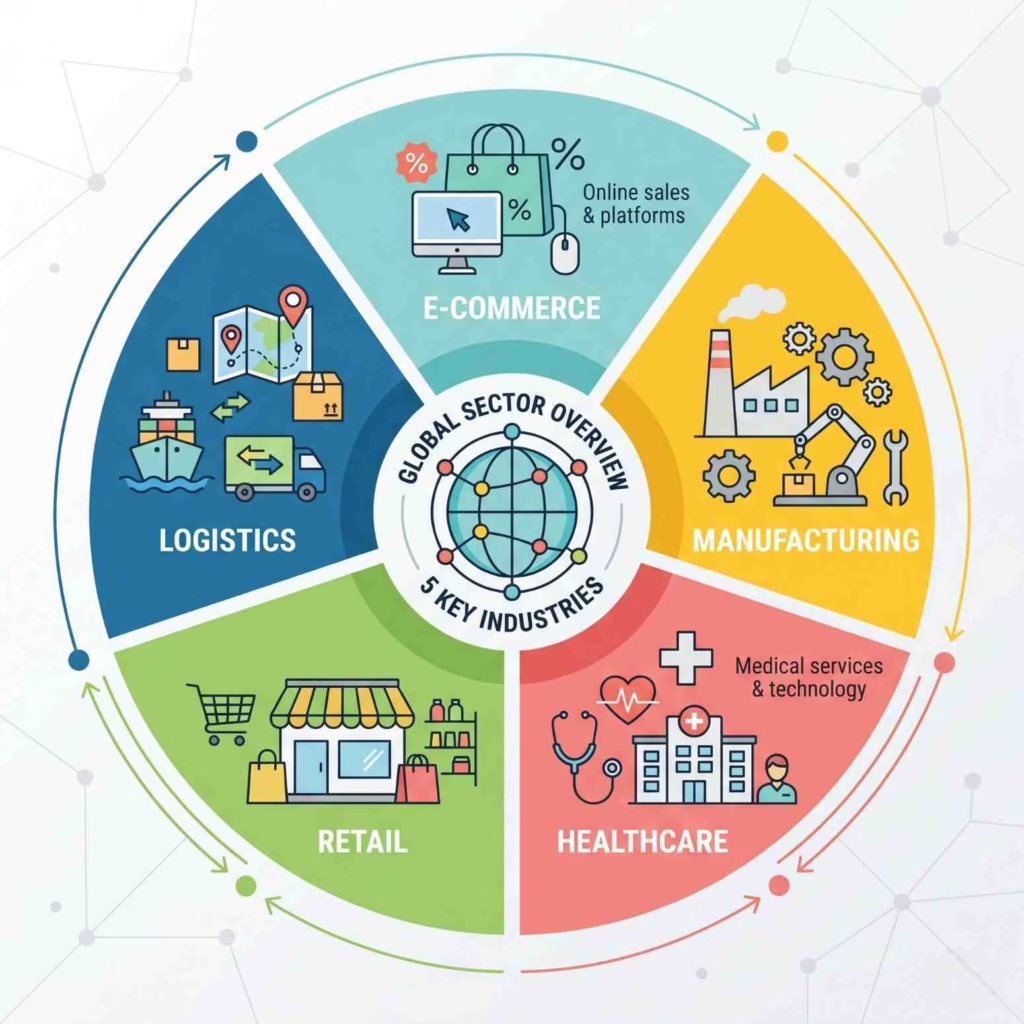
Supply chain applications are highly versatile and play a critical role across multiple industries. By streamlining operations, improving visibility, and enabling data-driven decisions, these solutions help businesses achieve greater efficiency and scalability.
E-commerce
In the fast-paced e-commerce industry, supply chain applications ensure seamless order fulfillment and customer satisfaction.
- Real-time order tracking and status updates
- Automated inventory management across warehouses
- Demand forecasting to handle seasonal spikes
- Last-mile delivery optimization
Result: Faster deliveries, reduced stockouts, and improved customer experience.
Manufacturing
Manufacturing companies rely on supply chain applications to maintain smooth production cycles and reduce downtime.
- Production planning and scheduling
- Raw material and inventory management
- Supplier coordination and procurement tracking
- Quality control and workflow automation
Result: Increased operational efficiency and reduced production delays.
Healthcare
In healthcare, supply chain efficiency is critical for patient safety and operational continuity.
- Real-time tracking of medical supplies and equipment
- Inventory alerts for critical items
- Supplier and vendor management
- Compliance and traceability of medical products
Result: Improved availability of essential supplies and enhanced patient care.
Retail
Retail businesses use supply chain applications to manage dynamic demand and optimize inventory across multiple locations.
- Demand forecasting based on customer behavior
- Multi-store inventory synchronization
- Automated replenishment systems
- Sales and supply analytics
Result: Better stock management, reduced wastage, and increased profitability.
Logistics & Transportation
Logistics companies benefit significantly from advanced supply chain applications.
- Route optimization and fleet tracking
- Real-time shipment monitoring
- Delivery scheduling and automation
- Fuel and cost optimization
Result: Faster deliveries, lower operational costs, and improved logistics efficiency.
Future of Supply Chain Applications
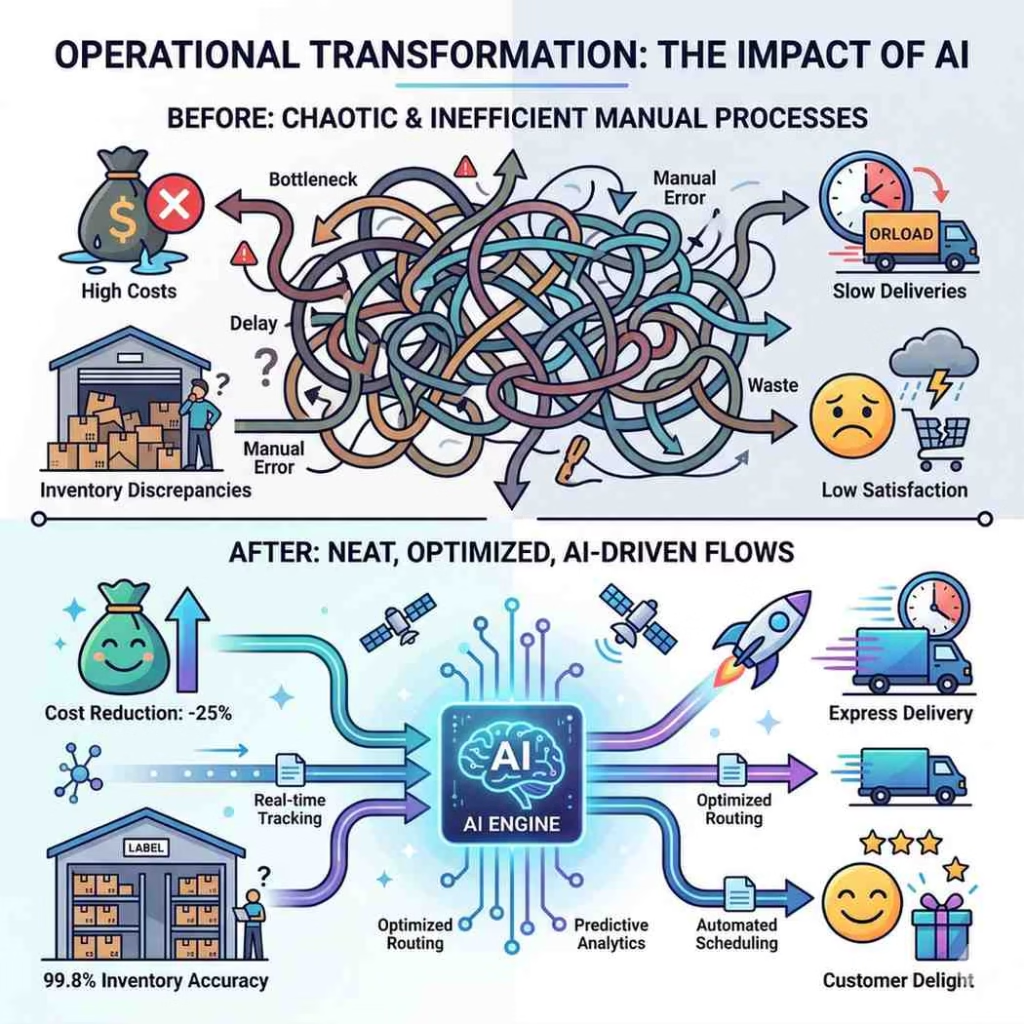
The future of supply chain applications in 2026 and beyond is driven by intelligent automation, real-time data processing, and predictive decision-making. As supply chains become more complex and globalized, businesses are increasingly adopting advanced technologies to improve efficiency, reduce risks, and enhance visibility across operations.
Modern supply chain systems are evolving from reactive tools into proactive and self-optimizing ecosystems that can anticipate disruptions and respond in real time.
Key Innovations Shaping the Future:
- AI-Driven Decision Making:
Advanced AI models enable businesses to predict demand, optimize inventory, and make faster, data-driven decisions with minimal human intervention. - Digital Twins:
Virtual replicas of supply chains allow companies to simulate operations, identify bottlenecks, and test strategies before implementing them in real-world environments. - Autonomous Logistics Systems:
Automation technologies, including robotics and AI agents, are streamlining warehouse operations, transportation, and delivery processes. - Smart Warehouses:
IoT-enabled systems provide real-time tracking, automated inventory management, and improved accuracy in warehouse operations.
As these technologies continue to mature, supply chain applications will become more intelligent, adaptive, and scalable. Businesses that invest early in these innovations will not only improve operational efficiency but also gain a sustainable competitive advantage in an increasingly digital economy.
Conclusion
Supply chain application development in 2026 is no longer just a technological upgrade it is a strategic investment that directly impacts efficiency, cost optimization, and long-term business growth.
With the right combination of features, modern technologies, and a scalable development approach, businesses can streamline operations, enhance visibility, and make faster, data-driven decisions. As supply chains continue to evolve, adopting a robust digital solution is essential to stay competitive in an increasingly dynamic market.
The key is not just building a solution but building the right solution tailored to your business needs.
Ready to Build Your Supply Chain Application?
At Sigosoft, we specialize in designing and developing scalable, AI-powered supply chain applications tailored to your industry and business goals.
Whether you’re a startup looking to build an MVP or an enterprise planning a full-scale digital transformation, our team can help you:
- Develop custom supply chain applications
- Integrate AI, IoT, and advanced analytics
- Build scalable and secure systems
- Optimize development cost and maximize ROI
Let’s turn your idea into a powerful, future-ready supply chain solution.
Contact Sigosoft today to get a free consultation and project estimate.
FAQs
Q1. What is supply chain application development?
Supply chain application development involves building software solutions to manage inventory, logistics, suppliers, and operations efficiently using automation and real-time data.
Q2. How much does it cost to develop a supply chain application in 2026?
The cost typically ranges from $15,000 to $150,000+, depending on features, integrations, and whether it is a basic, mid-level, or enterprise solution.
Q3. What features should a modern supply chain application include?
Key features include inventory tracking, order management, supplier management, analytics dashboards, AI-based forecasting, and real-time shipment tracking.
Q4. How long does it take to build a supply chain application?
Development time usually ranges from 2 to 6 months based on complexity, features, and integration requirements.
Q5. Can small businesses invest in supply chain application development?
Yes, small businesses can start with a minimum viable product (MVP) and scale gradually, making it a cost-effective and scalable solution.
