
Telemedicine App Development: A Simple Guide for Businesses in 2026
Telemedicine app development is an effective way to build digital healthcare solutions that connect patients and doctors remotely. If you are thinking about creating a telemedicine application, this guide will help you understand the benefits, cost factors, and types of telemedicine solutions available today.
Telemedicine apps help connect patients and healthcare providers through smartphones or computers. With easy communication tools, secure data handling, and modern features, these apps make healthcare more accessible and efficient. They are designed to reduce waiting times, support remote consultations, and improve patient outcomes.
Why Telemedicine Became Important
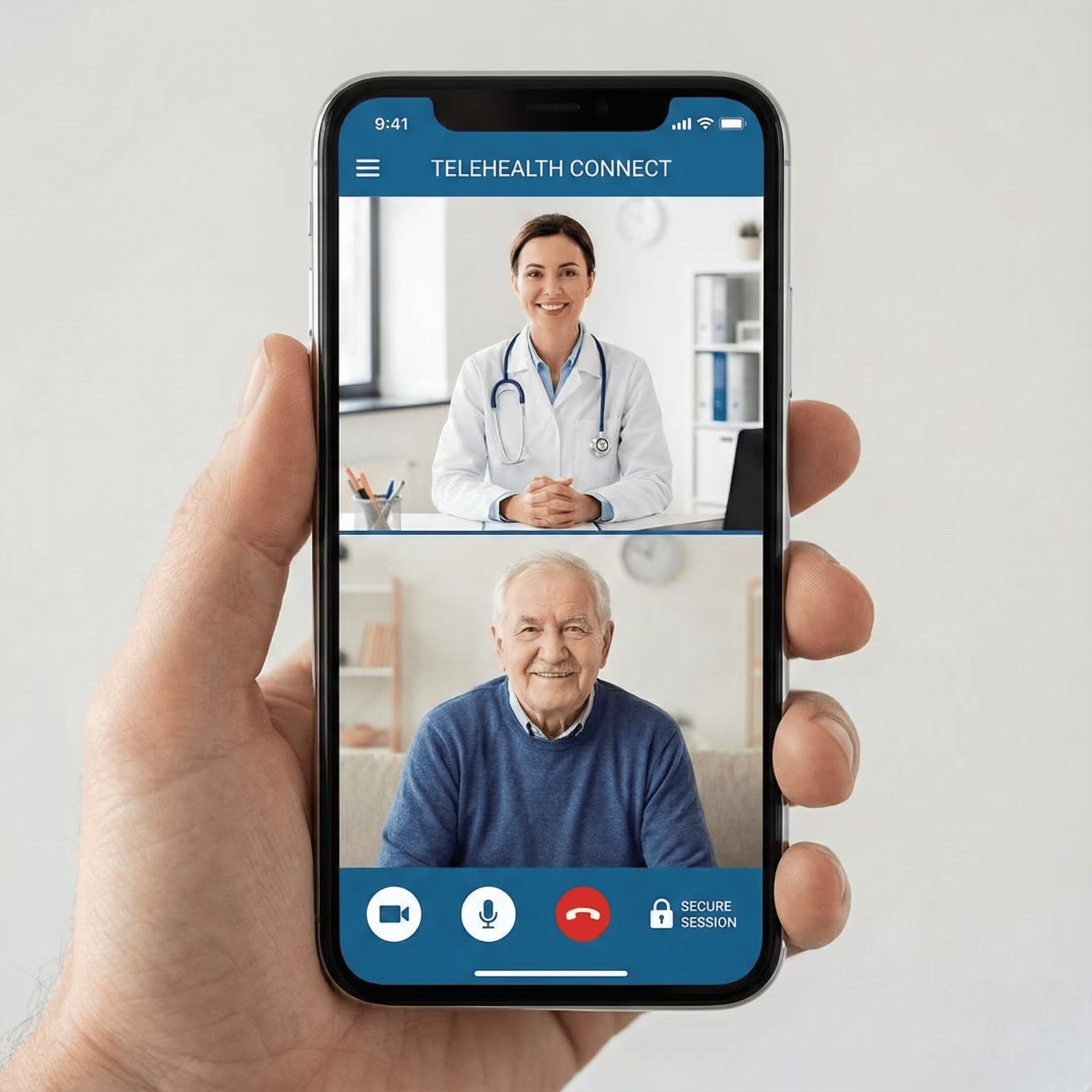
The COVID-19 pandemic accelerated the need for digital healthcare. Hospitals and clinics adopted telemedicine to provide fast and safe medical services without in-person visits. Even after the pandemic, telemedicine continues to grow because:
-
Patients expect virtual care options
-
Healthcare providers want faster workflows
-
Clinics want cost-effective solutions
As a result, more healthcare organizations are moving toward building telemedicine platforms and partnering with experienced development companies like Sigosoft.
Cost of Telemedicine App Development
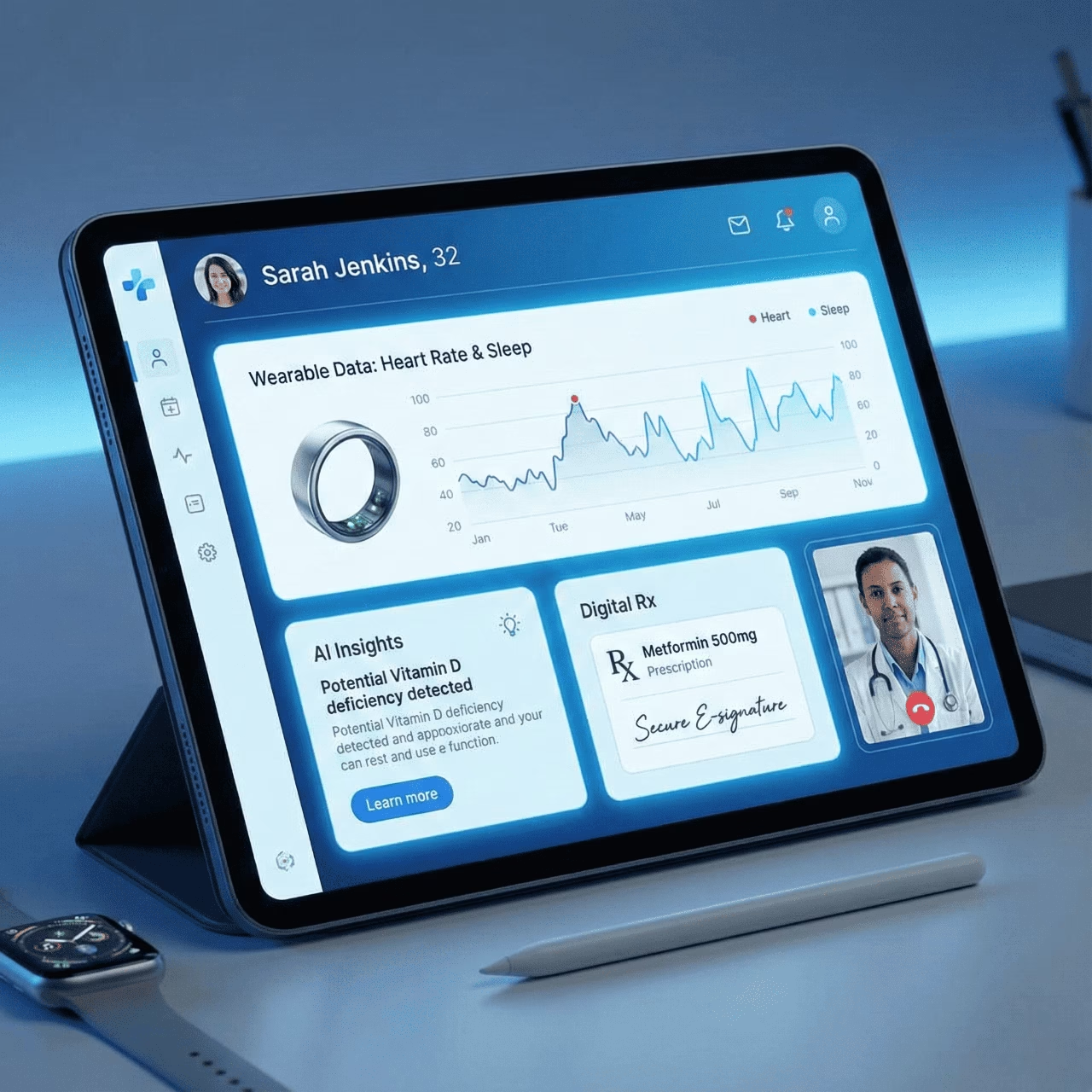
Healthcare trends continue to create strong demand for mobile health solutions. Today, apps are no longer optional — they are necessary for patient engagement and service delivery. People of all age groups rely on telehealth services for advice, treatment, and ongoing care.
Many medical providers are adopting telemedicine apps for specialized areas such as:
-
Telenursing
-
Telepsychiatry
-
Teledermatology
-
Remote patient monitoring
To avoid complications, telemedicine apps should be simple to use, secure, and designed for different user groups. Sigosoft can build custom solutions that match your audience and business goals.
Key Features of a Telemedicine App
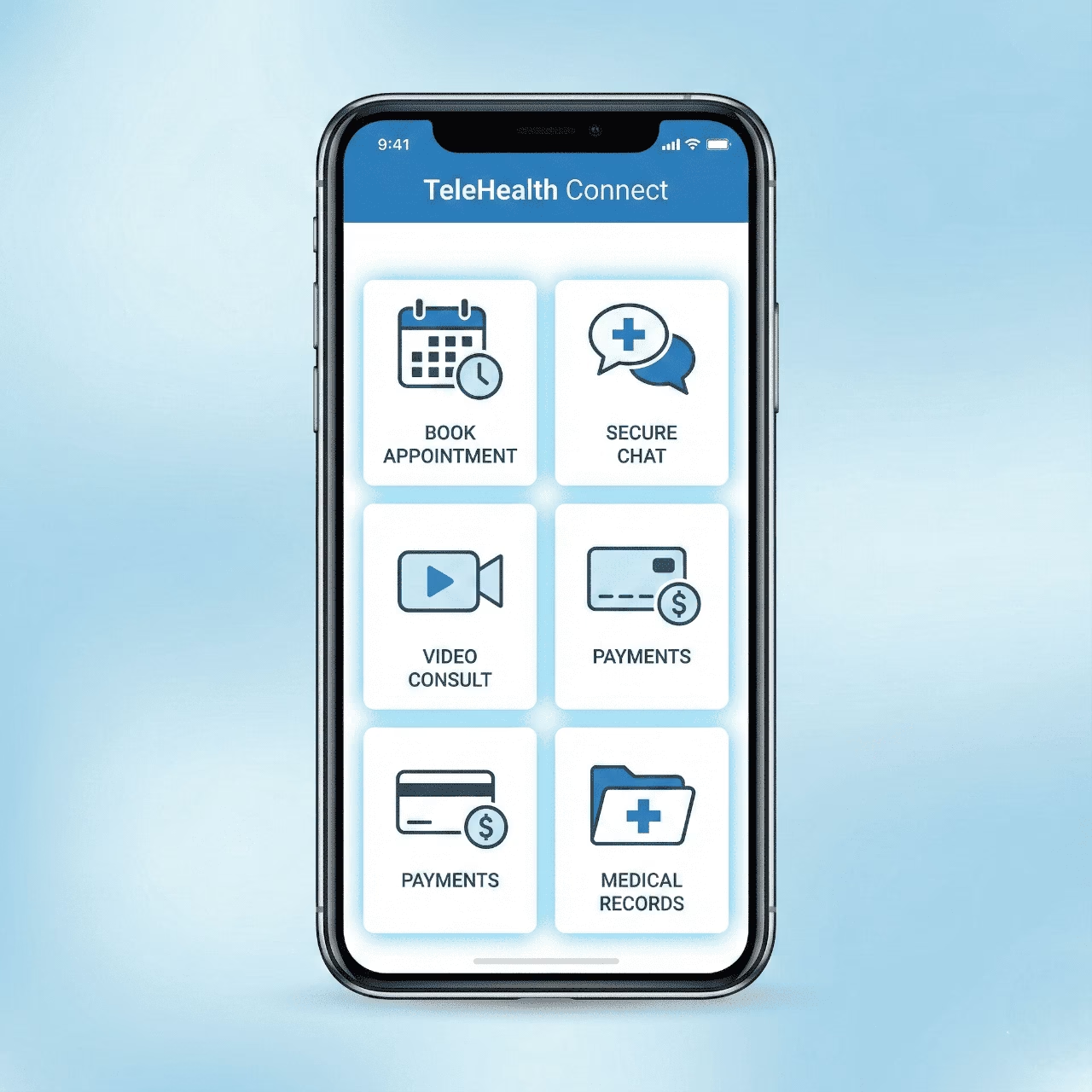
Modern telemedicine apps provide many practical benefits for patients and healthcare providers:
-
Access to specialists from remote locations
-
24/7 medical support for patients in need
-
Help during emergencies and natural disasters
-
Better communication between clinics and specialists
-
No need for regular hospital visits
-
Lower treatment and travel costs
-
Secure record management and access to medical data
-
Easy follow-up appointments
-
Online prescription updates and tracking
These features make telemedicine apps useful for both short-term and long-term care.
Types of Telemedicine Applications

Telemedicine is the practice of delivering medical services remotely. Today, it mainly includes three types of solutions:
1. Store-and-Forward
This method allows healthcare providers to share patient information such as lab reports, images, videos, and medical records with another specialist in a different location.
It works like secure email, but with advanced tools designed to protect patient confidentiality.
2. Remote Patient Monitoring
Remote patient monitoring (RPM) helps healthcare professionals track vital signs and health data from a distance.
It is widely used for:
-
Heart disease
-
High-risk patients
-
Chronic illness management
Hospitals use RPM to avoid long stays, reduce re-admissions, and support faster recovery.
3. Real-Time Consultations
Real-time telemedicine allows doctors and patients to communicate using video conferencing tools.
It must be built with secure technology that meets healthcare standards such as HIPAA, ensuring patient privacy and confidentiality.
Build Your Telemedicine App with Sigosoft
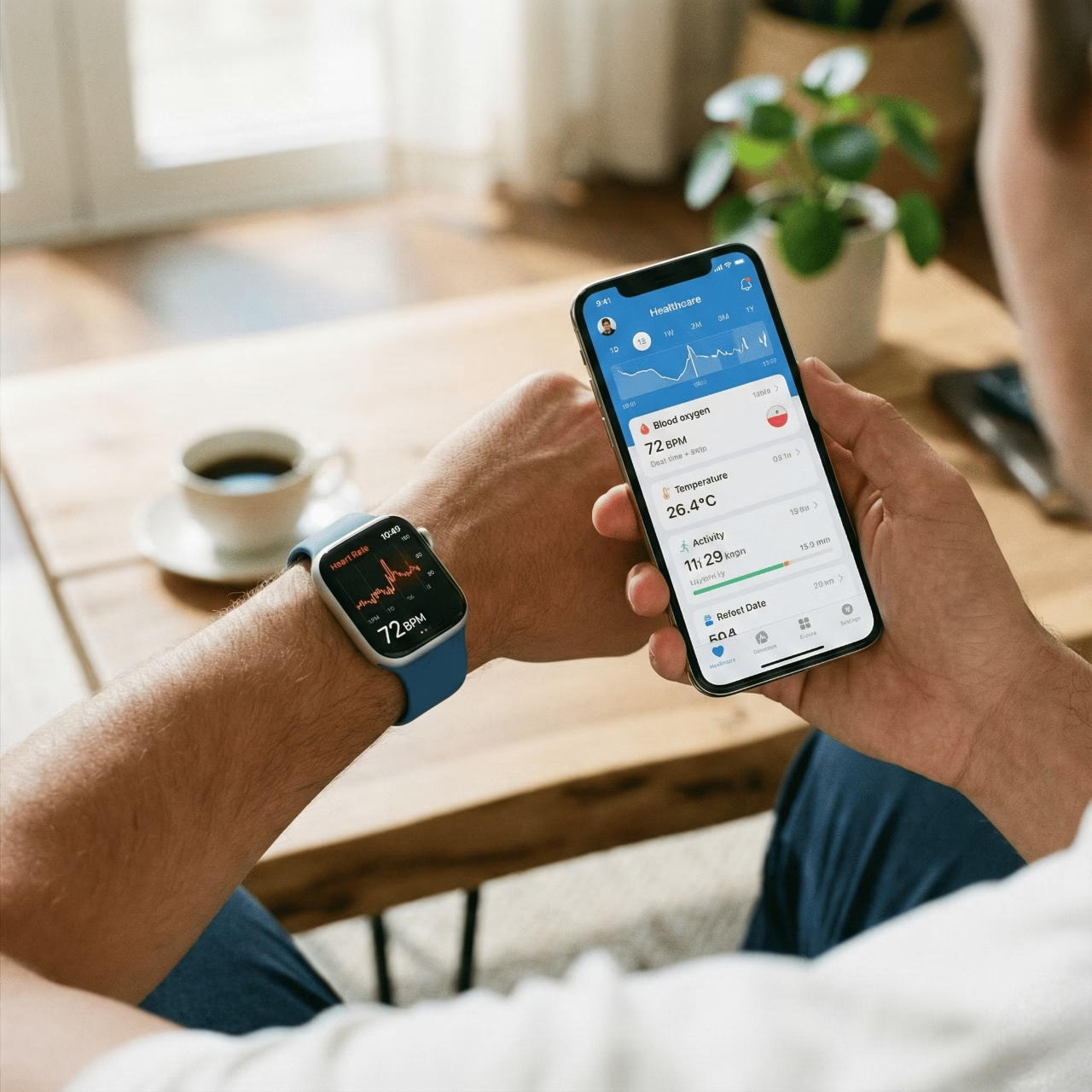
Sigosoft develops secure, scalable, and easy-to-use telemedicine applications for clinics, hospitals, and startups.
We help healthcare organizations create digital platforms with modern features, smooth workflows, and strong data protection.
If you want to launch a custom telemedicine solution, we can guide you from planning to deployment.
