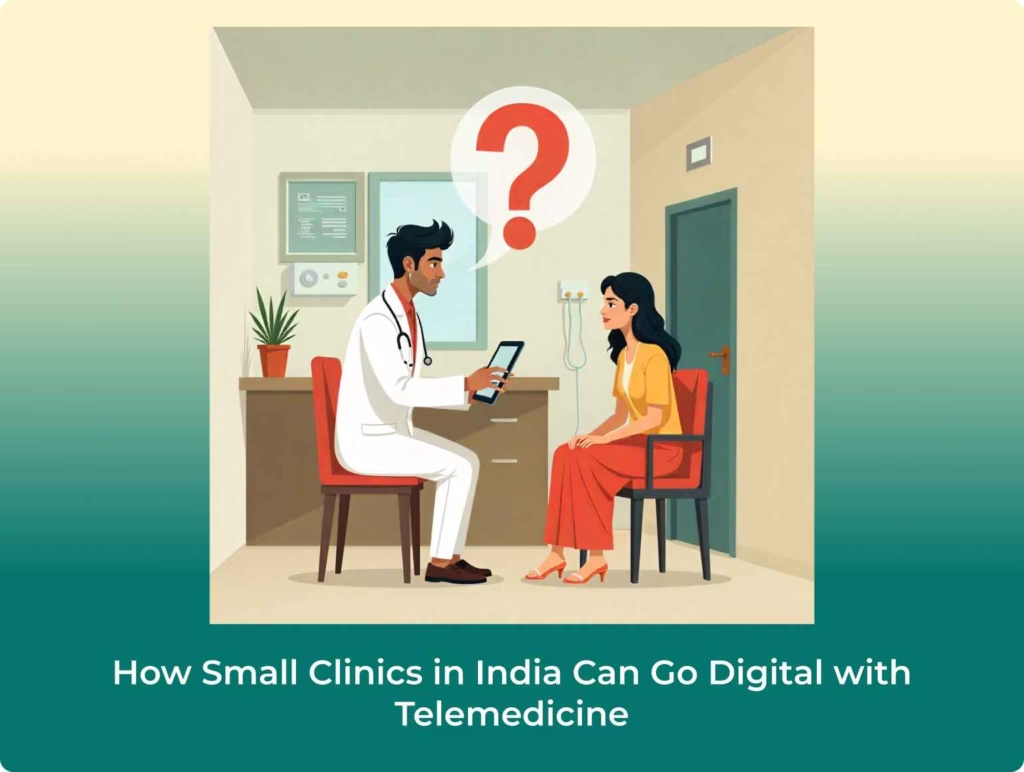
In 2020, a rural clinic in Maharashtra nearly shut its doors due to a 70% drop in patient visits amid lockdowns. Yet, by adopting telemedicine, the clinic not only weathered the crisis but expanded its reach to nearby towns and NRIs in the Gulf. Within months, patient consultations doubled.
This isn’t an isolated trend. According to IMARC Group, “the India telemedicine market size reached USD 3.1 billion in 2024 and is expected to grow to USD 19.9 billion by 2033, at a CAGR of 20.5%.” (IMARC Group)
Grand View Research states India generated USD 4.04 billion in telemedicine revenue in 2023, with forecasts reaching USD 15.11 billion by 2030, at a CAGR of 20.7% (Grand View Research). TechSci Research also estimated the market value at USD 1.54 billion in 2024, with a growth forecast of 20.75% CAGR through 2030 (LinkedIn). Clearly, telemedicine in India is on an accelerated growth trajectory.
This industry expansion means small clinics—from Kochi and Chennai to Delhi, Mumbai, or Bangalore, now have the opportunity to compete with larger hospitals simply by adopting the right digital tools and strategies.
Why Small Clinics Must Pay Attention
Digital healthcare in India was largely monopolised by big hospital chains in metros. Small clinics relied on printed pamphlets or referrals. Now, rising smartphone ownership, affordable tech, and evolving patient behavior are changing the game.
- India had 825 million internet users in 2023, with rural penetration growing by 37%, making telemedicine viable even in remote areas.(blog.ariqx.com)
- The eSanjeevani platform, a government initiative, recorded 100 million teleconsultations by February 2023 (LinkedIn).
- In Telangana, telemedicine usage under the National Health Scheme soared from 5.3 million in 2022–23 to 7.8 million in 2023–24, with projections reaching 8.7 million by March 2025 (The Times of India).
- The emerging “Smart Intelligent Village” of Satnavri in Maharashtra now delivers specialist teleconsultations via mobile clinics and e-health cards (The Times of India).
These stats show how demand is real and growing telemedicine is proving its value across socio-economic levels.
Top Challenges Faced by Small Clinics

Before going digital, clinics must address existing hurdles:
- Low Patient Footfall
Lack of visibility in quieter neighbourhoods, compared to prime locations. - High Operational Costs
From rising rent in Metro cities - Dominating Hospital Marketing Budgets
Corporate hospitals can outspend small practices by lakhs per month. - Dependence on Paper Records
Makes scheduling, billing, follow-ups, and scalability inefficient and error-prone.
What Telemedicine Offers: Real Benefits

Going digital opens new horizons:
- Expanded Reach
Access patients across states and NRIs in global markets. - Better Appointment Management
Reduced overcrowding and flexible scheduling. - Improved Retention
Automated reminders for follow-ups and prescriptions. - New Revenue Streams
Provide second opinions, chronic care subscriptions, or specialized packages. - Data-Driven Insights
EMRs enable treatment history tracking and smart clinical decisions.
Step-by-Step: How Clinics Can Transition to Telemedicine

- Assess Needs
Decide on features needed now (video consults, e-prescriptions, EMR) versus those for later rollout. - Choose the Right Platform
- White-label solutions: Ready-made, quick to launch.
- Custom-built platforms: Tailored to workflows and preferences (Sigosoft offers affordable custom Telemedicine solutions).
- White-label solutions: Ready-made, quick to launch.
- Ensure Compliance
Adhere to Telemedicine Practice Guidelines 2020 by the Medical Council of India. For NRI patients, HIPAA compliance is essential. - Train the Team
Conduct mock appointments with admin staff, receptionists, and doctors. - Launch & Promote
Use social media ads, WhatsApp groups, and local flyers. Educate patients on the simplicity and safety of teleconsults.
Myths about Telemedicine in India
- “Telemedicine is only for big hospitals”: Incorrect. Small clinics are agile and adapt faster to enable effective telehealth services.
- “Patients won’t trust remote consultations”: Not true. Convenience and positive experience convert most.
- Lack of awareness in Tier-2/3 cities: Places like Indore and Kozhikode lag due to low awareness, not lack of tech.
- Policy gaps – ABHA ID: Most patients don’t grasp its significance; clinics can take the lead in demystifying it.
How Cities Differ in Telemedicine Demand
- Delhi: Corporate workforce and traffic congestion drive teleconsult demand.
- Mumbai: Large NRI population seeking online follow-ups and second opinions.
- Bangalore: Tech-literate population adopting wearables and AI tools in care.
- Chennai: High chronic disease prevalence (e.g., diabetes), perfect for routine telemonitoring.
- Kochi: Strong potential for Gulf-facing telemedicine service models.
Market Players to Watch

- Practo – Trusted nationwide platform.
- Mfine – Specialist consultation percentages growing.
- Tata 1mg – Combines teleconsults + medicine delivery.
- eSanjeevani – Government-backed but limited in customization.
Others like Apollo TeleHealth, Medanta E-Clinic, and 1MG recorded 15 – 40% growth in consultations in 2023, while eSanjeevani handled over 5 million consultations in the year (Trace Data Research).
Emerging Trends Shaping the Future

- AI Tools
Symptom checkers, triage systems, and diagnostic integration. - Wearable Health Devices
Real-time data from BP, glucose, and heart-rate monitors. - Insurance APIs
Seamless teleconsult claim processing. - Alternative Medicine Digitisation
Ayurveda, Homeopathy, and Siddha now moving online.
Telemedicine Development FAQs

Q: How can small clinics digitise without losing legacy patient records?
Adopt a hybrid approach, scan only active patient files and gradually build EMR for new patients. Many platforms support bulk data imports.
Q: What are the primary legal risks in telemedicine and how to mitigate them?
Risks include prescribing without sufficient data, privacy breaches, and misdiagnoses. To avoid this, follow the Telemedicine Practice Guidelines 2020, use secure platforms, obtain patient consent, and diligently document every consultation.
Q: Can telemedicine serve as a front-door to medical tourism?
Absolutely. Clinics in Kochi, Chennai, and Bangalore can offer pre-arrival consultations for international patients, reducing inbound treatment time and increasing trust.
Q: How do clinics overcome India’s multilingual barrier in teleconsults?
Use platforms with auto-translation in chat, bilingual staff for support, or interpreter services for video consultations.
Q: How should small clinics price teleconsults relative to in-person visits?
Pricing generally runs 20–30% lower than physical visits, offering value while attracting patients, especially for follow-ups and chronic care.
Q: What tech integrations future-proof telemedicine systems for long-term relevance?
Look for platforms compatible with wearable APIs, AI tools, insurance claim systems, and national infrastructure like the NDHM.
Conclusion
Telemedicine isn’t just another tech upgrade, it’s a transformative necessity. From expanding geographical reach to reducing operational burdens and opening new revenue lines, small clinics in India now have the means to evolve into modern, patient-centric health hubs. Whether in Delhi, Mumbai, Bangalore, Chennai, or Kochi, going digital is not optional, it’s the path to growth.