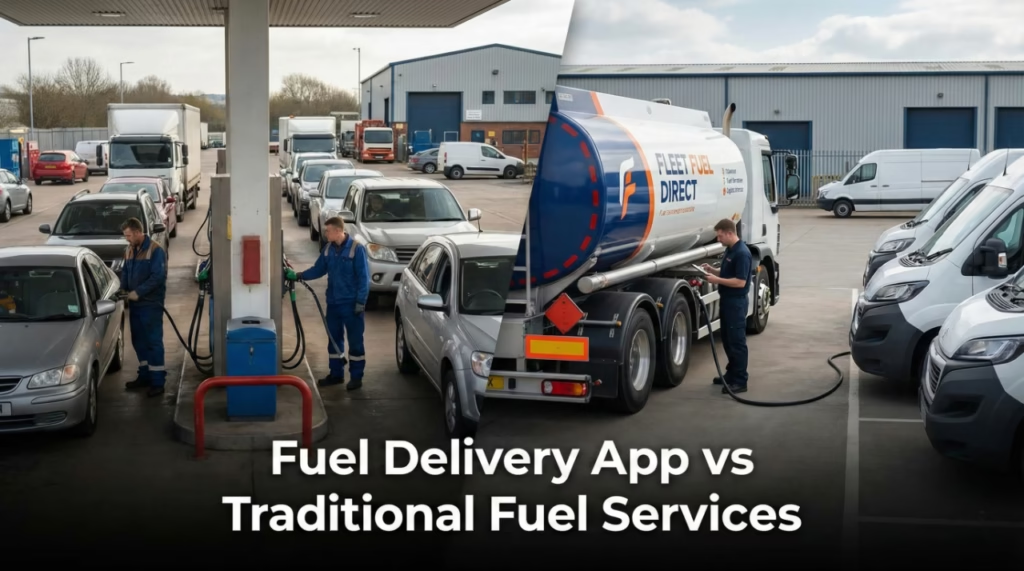
Fuel Delivery App vs Traditional Fuel Services is becoming a critical comparison as businesses re-evaluate how fuel reaches customers in a rapidly evolving distribution landscape. Traditional fuel services—where customers visit fuel stations or rely on manual fleet refueling—are increasingly being challenged by the rise of on-demand, technology-driven fuel delivery models.
With growing demand for speed, convenience, and operational efficiency, many companies are asking an important question:
Is a fuel delivery app better than traditional fuel services for business growth and cost control?
Industry research from organizations like the World Economic Forum highlights how digital logistics and on-demand delivery models are reshaping global supply chains and operational efficiency:
https://www.weforum.org/
This blog provides a clear, side-by-side comparison, highlighting fuel delivery app benefits, customer satisfaction, operational savings, and long-term scalability to help business owners make informed decisions.
Understanding Traditional Fuel Services
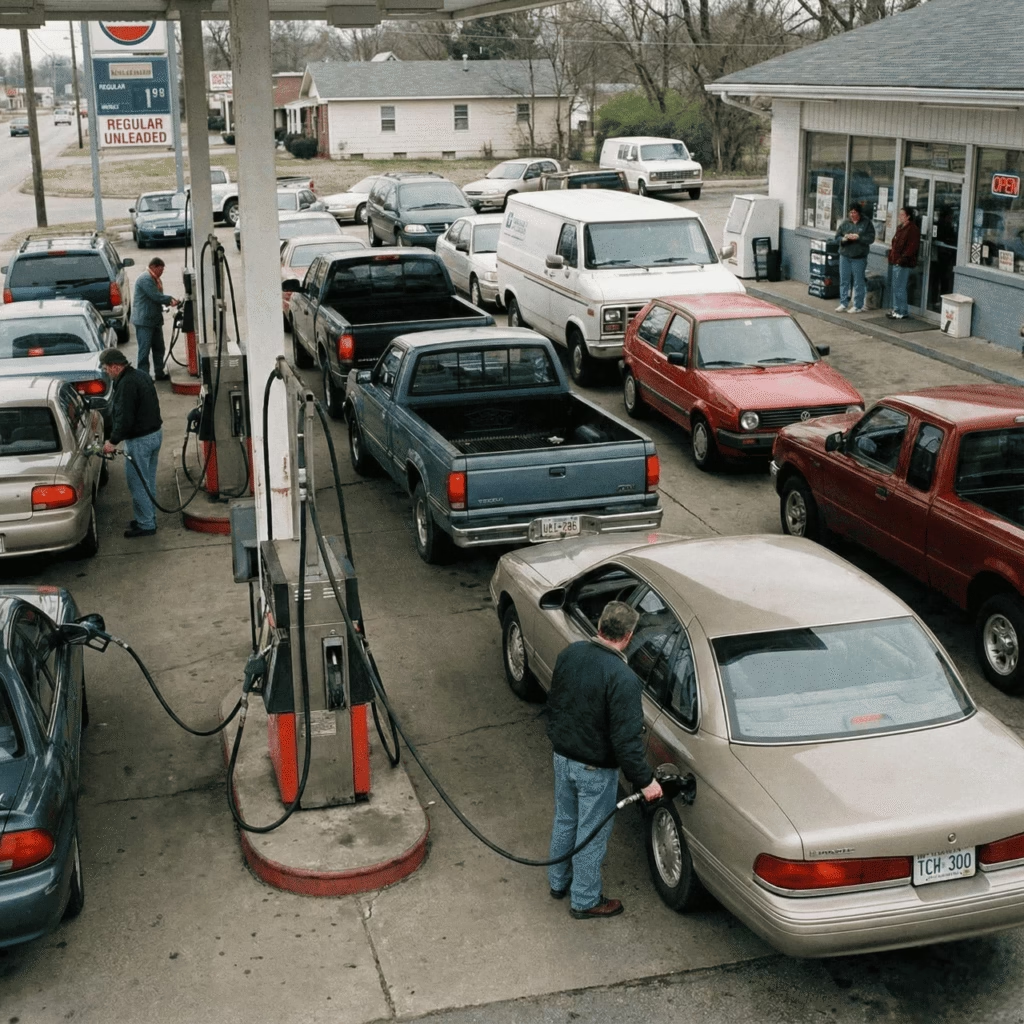
Traditional fuel services rely on fixed fuel stations or scheduled bulk fuel supply managed manually. While this model has worked for decades, it introduces limitations for modern businesses.
Key Characteristics of Traditional Fuel Services
- Physical fuel stations or depots
- Manual scheduling and invoicing
- Customer travel time to refuel
- Limited real-time visibility
- Heavy dependency on staff coordination
Studies from Deloitte’s transportation and logistics research show that manual fleet operations often result in higher downtime and inefficiencies
https://www.deloitte.com/
For fleets, logistics companies, and industrial operations, these inefficiencies translate directly into lost productivity and increased costs.
What Is a Fuel Delivery App?
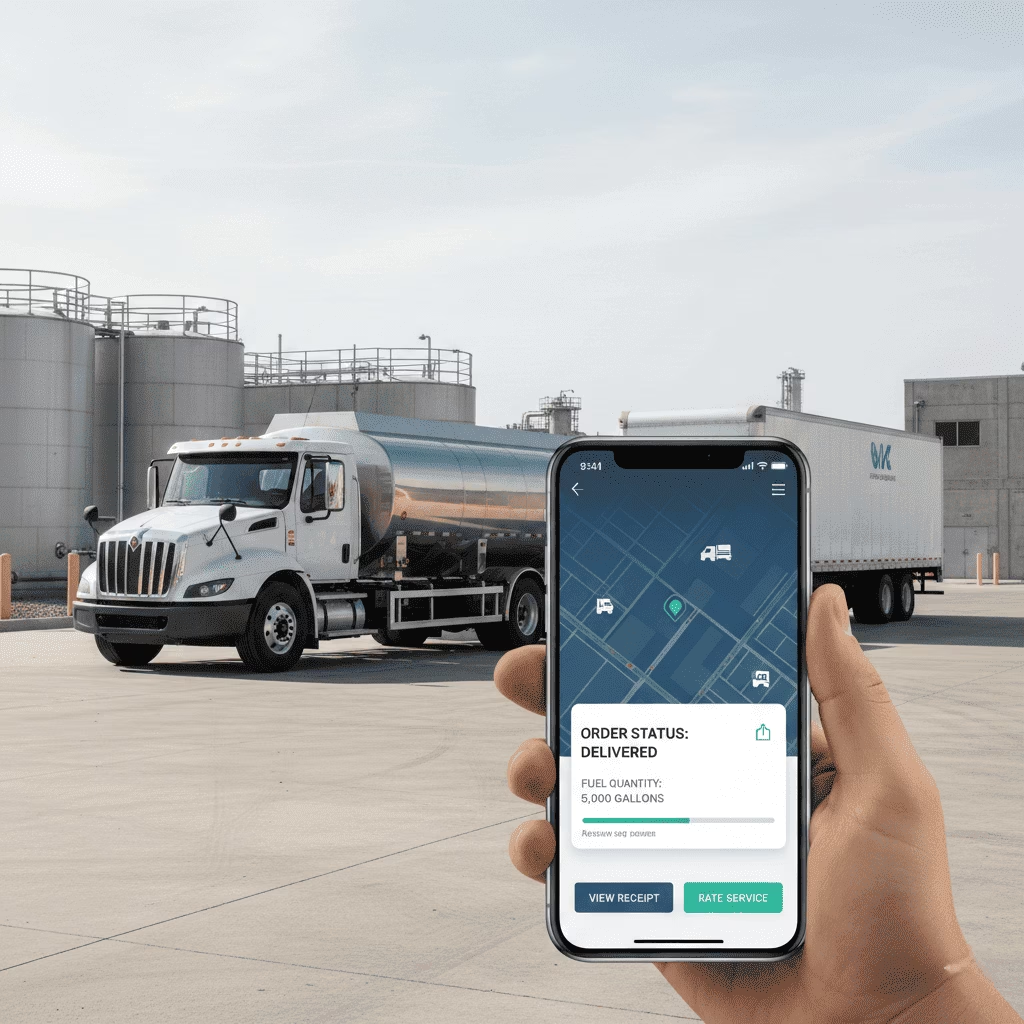
A fuel delivery app enables businesses to order fuel on demand and have it delivered directly to vehicles, machinery, or sites using GPS-enabled tankers and smart scheduling.
Modern on-demand fuel delivery app solutions typically include:
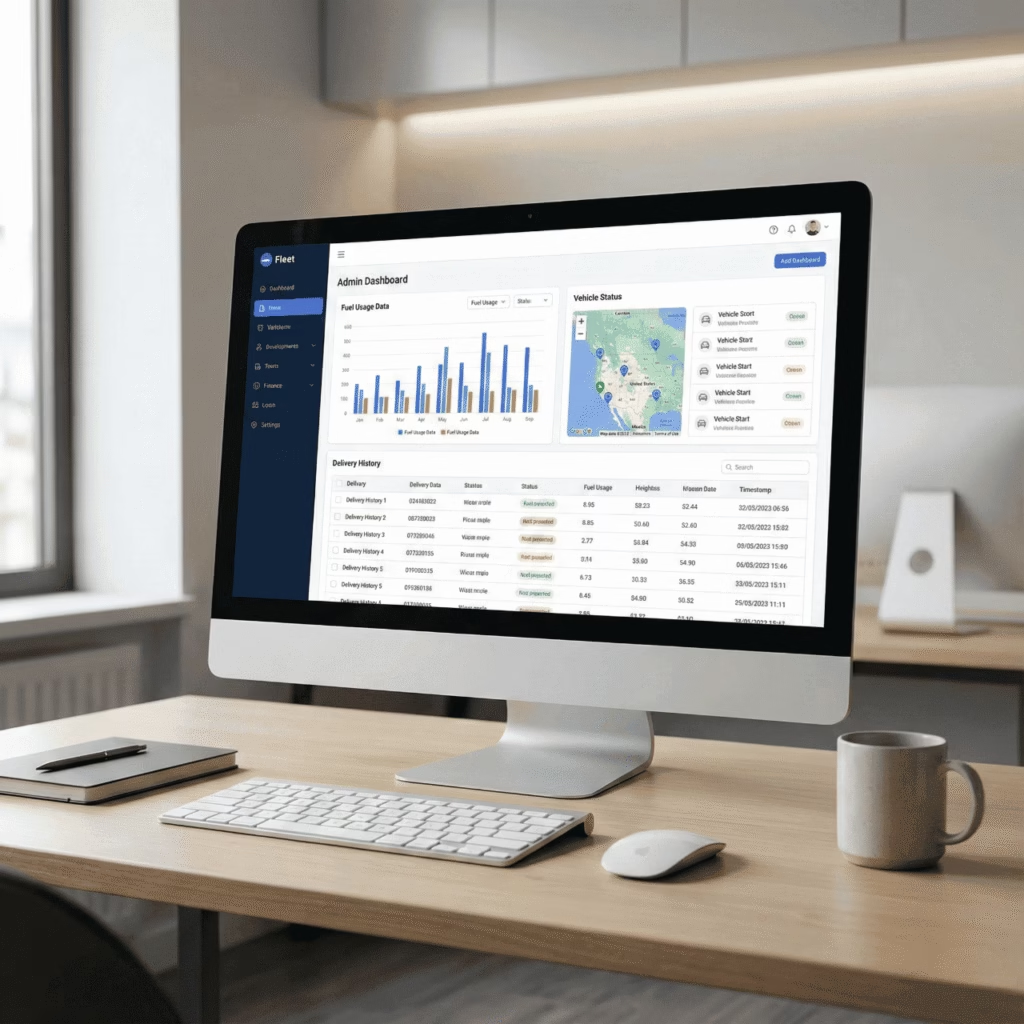
- Real-time order tracking
- Automated dispatch and routing
- Digital payments and invoices
- Customer and admin dashboards
- Fleet-level fuel consumption analytics
Cloud platforms such as Google Cloud’s on-demand delivery architecture demonstrate how real-time dispatch and tracking systems power modern delivery platforms
https://cloud.google.com
Fuel Delivery App vs Traditional Fuel Services: Core Comparison
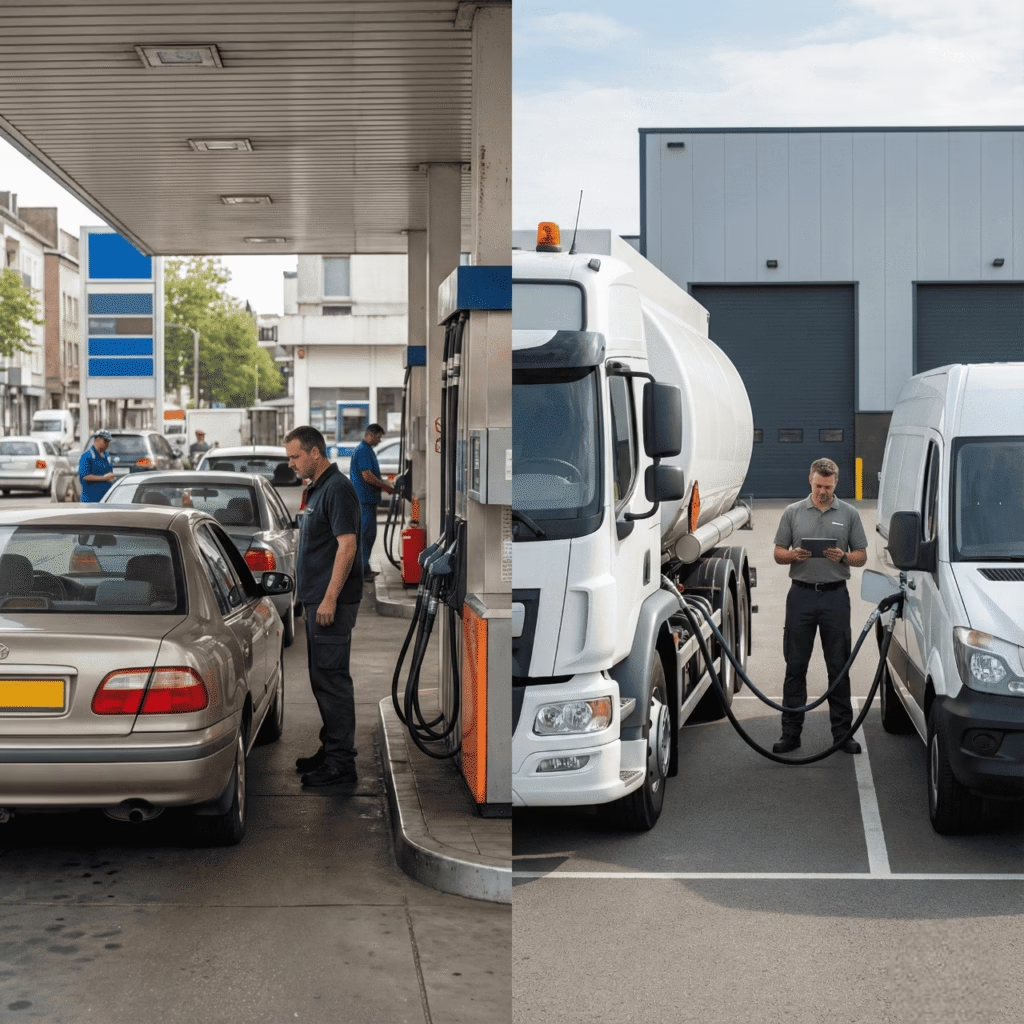
1. Operational Efficiency
Traditional Fuel Services
- Manual coordination
- Fixed schedules
- Idle vehicle time during refueling
Fuel Delivery App Solution
- Automated dispatch
- GPS-based routing
- Fuel delivered where vehicles are parked
According to Harvard Business Review, automation-driven operations consistently reduce idle time and improve efficiency
https://hbr.org
This is one of the biggest fuel delivery app benefits—businesses reduce downtime and improve productivity immediately.
2. Customer Convenience & Satisfaction
Traditional Model
- Customers travel to fuel stations
- Long queues and delays
- Limited service flexibility
Fuel Delivery App Software
- Fuel delivered on demand
- No waiting or travel
- 24/7 ordering via mobile app
Convenience is a major driver of customer retention in B2B and enterprise services.
3. Cost & Operational Savings
Traditional Fuel Services
- Fuel wastage due to poor tracking
- Higher labor costs
- Unpredictable fuel usage
Fuel Delivery App Development
- Accurate fuel tracking
- Optimized delivery routes
- Reduced manpower dependency
Although many businesses ask about the cost to develop a fuel delivery app, long-term operational savings often outweigh the initial investment. Research from PC confirms that digitally optimized operations reduce ongoing costs significantly
https://www.pwc.com
4. Technology & Data Visibility
Traditional Services
- Paper-based records
- Delayed reporting
- Limited consumption insights
Fuel Delivery App Design
- Real-time dashboards
- Automated reports
- Fuel usage analytics by vehicle or site
Enterprise analytics platforms such as IBM’s fleet management solutions highlight the importance of real-time data visibility for operational control
https://www.ibm.com/topics/fleet-management
5. Scalability & Growth
Traditional Fuel Model
- Difficult to scale across locations
- Increased complexity with growth
Fuel Delivery App Development Services
- Easily scalable across regions
- Centralized admin control
- Supports enterprise and multi-location operations
According to Gartner, scalable digital platforms consistently outperform manual service models during expansion
https://www.gartner.com
Industry Adoption: Why Businesses Are Switching

Across regions like India, the Middle East, and emerging markets, companies are investing in fuel delivery app solutions because they:
- Improve service reliability
- Reduce operational waste
- Enable digital transformation
- Offer competitive differentiation
This shift is driving demand for experienced fuel delivery app development companies.
Is a Fuel Delivery App Right for Your Business?
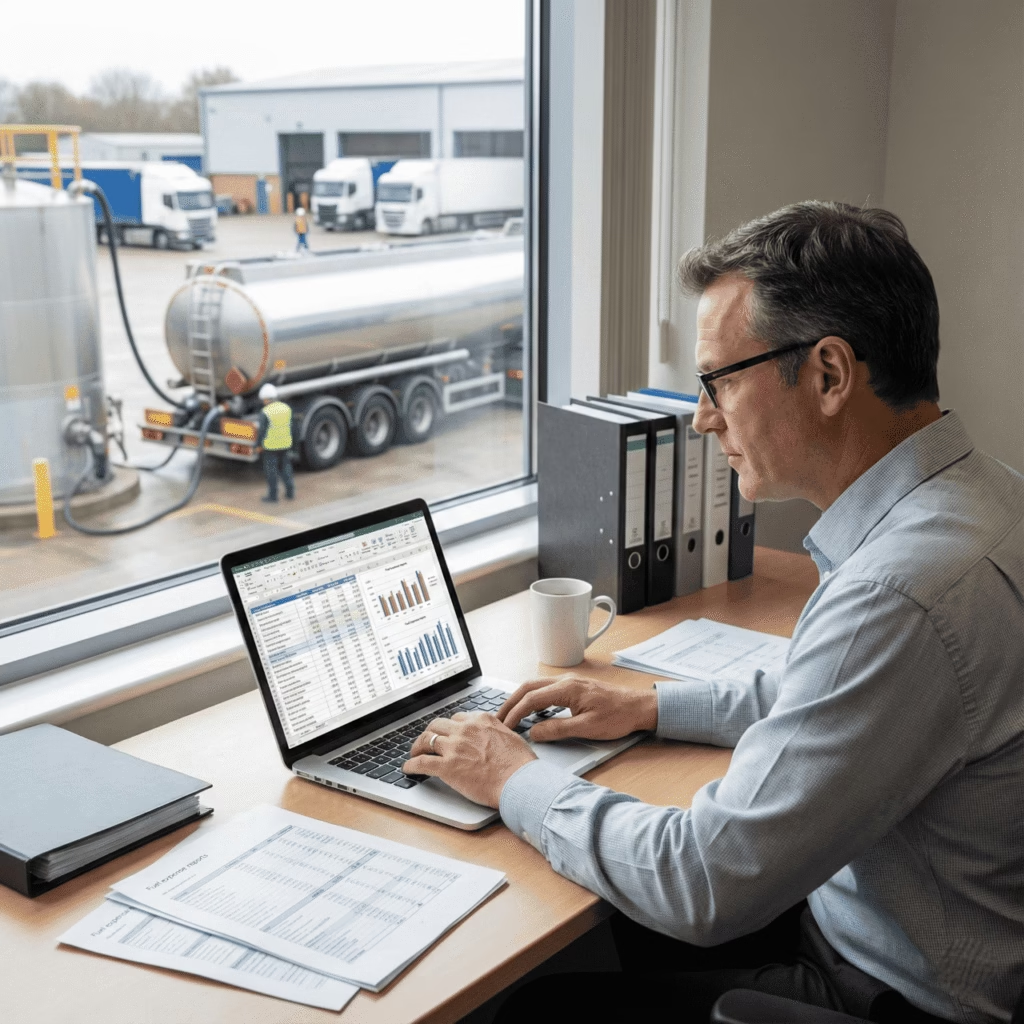
A fuel delivery app solution is ideal if you:
- Manage vehicle fleets
- Operate logistics or transport services
- Supply fuel to construction or industrial sites
- Want to automate and digitize fuel operations
For such businesses, traditional fuel services struggle to match the flexibility and efficiency of on-demand models.
FAQs – Fuel Delivery App vs Traditional Fuel Services
What are the main fuel delivery app benefits?
Reduced downtime, automated operations, real-time tracking, better customer experience, and long-term cost savings.
Is on-demand fuel delivery more expensive?
While development has an upfront cost, operational savings usually reduce total expenses over time.
What is the cost to develop a fuel delivery app?
Fuel delivery app development cost depends on features, platforms, and integrations. MVPs can be built first and scaled later.
Can fuel delivery apps replace fuel stations?
They complement fuel stations by serving fleets and businesses that value convenience and efficiency.
Is a custom solution better than off-the-shelf software?
Yes. Custom fuel delivery app software offers better scalability, security, and business alignment.
Why Choose Sigosoft for Fuel Delivery App Development?
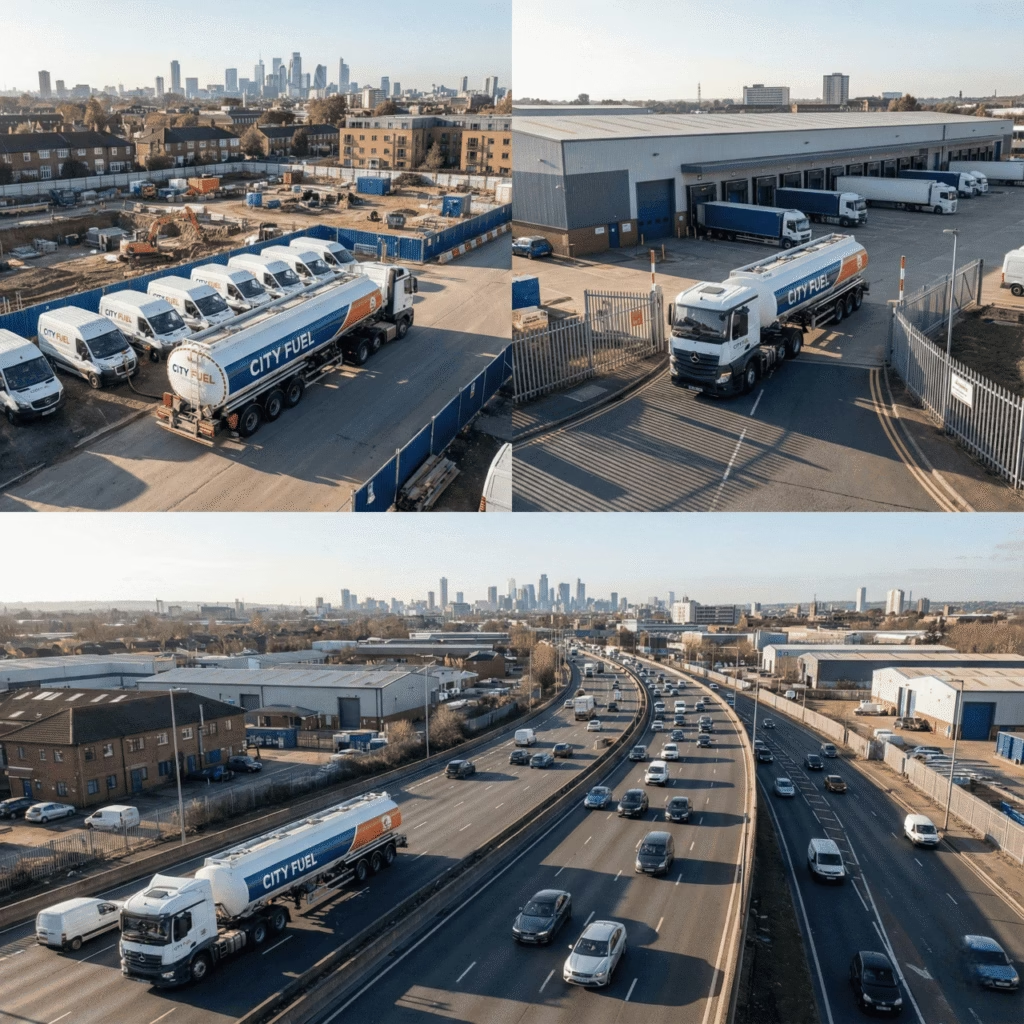
At Sigosoft, we build scalable fuel delivery app solutions designed for real-world operations. Our focus includes:
- Business-driven app architecture
- Clean, user-friendly fuel delivery app design
- Secure, performance-optimized backend systems
- Enterprise-ready scalability
We help businesses transition from traditional fuel services to fully digital, on-demand fuel delivery platforms.
Final Verdict: Which Is Better?

For businesses focused on efficiency, scalability, and customer experience:
Fuel delivery apps clearly outperform traditional fuel services.
They reduce costs, increase operational control, and deliver a superior customer experience—making them a future-ready investment.
Related Blogs
Raffle & Promotions
Why Lucky Draw Software Outperforms Discounts in UAE Promotions
Learn why UAE brands are choosing lucky draw software over discounts to boost engagement, protect margins, and stay compliant.
https://sigosoft.com/blog/why-lucky-draw-software-beats-discounts-uae/
Legal Compliance
How Lucky Draw App Development Works Legally in Dubai
A clear guide to building compliant lucky draw and raffle apps without crossing UAE gambling laws.
https://sigosoft.com/blog/lucky-draw-app-development-uae/
Cost & Planning
Cost of Developing a Raffle or Prize Draw App in Dubai
Understand pricing, features, and compliance costs before launching a raffle or prize draw app.
https://sigosoft.com/blog/cost-of-raffle-app-development-dubai/
