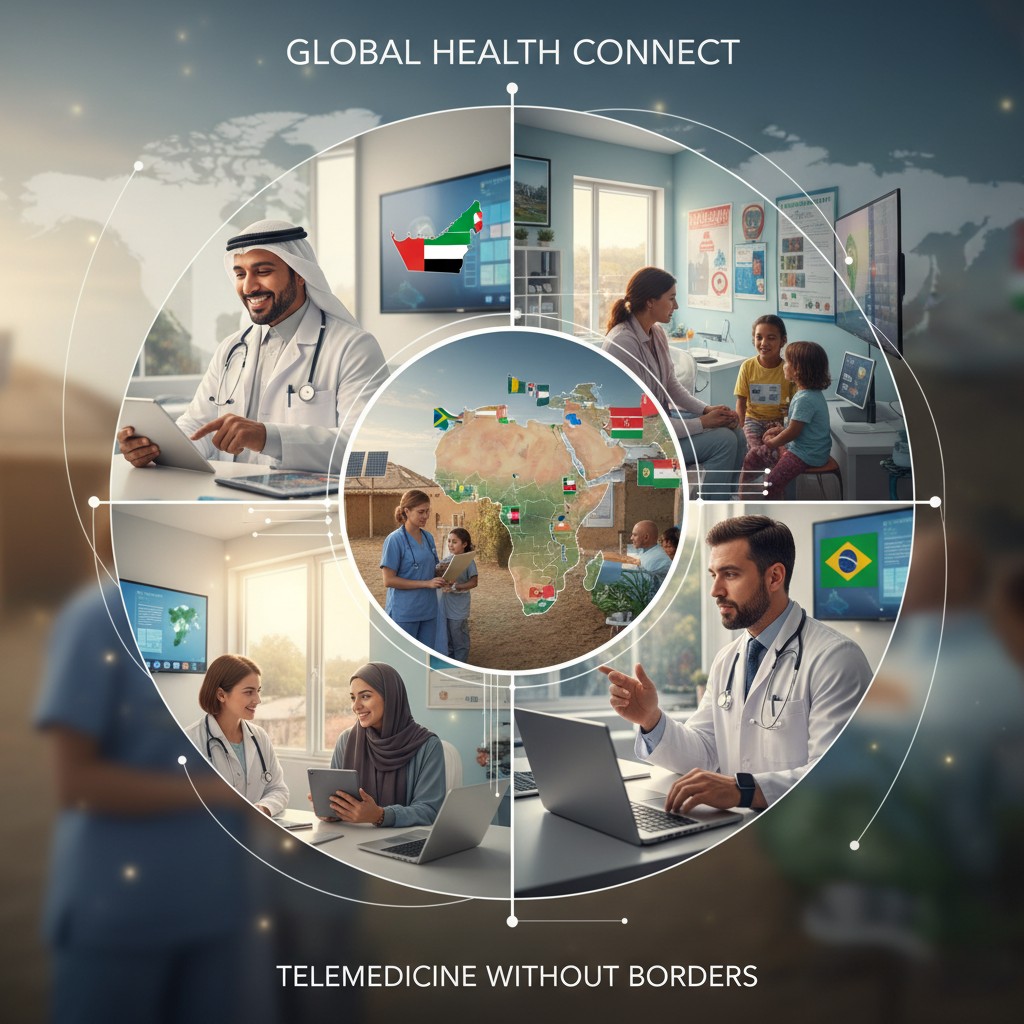
By 2026, telemedicine app development is not an alternative – it’s the new normal.
Across continents, virtual healthcare solutions are bridging the gap between patients and providers, cutting operational costs, and expanding access to remote areas.
While North America and Europe continue to innovate, the next wave of transformation is happening in the Middle East, Africa, and Brazil – regions where digital health isn’t just about convenience; it’s about saving lives.
From AI-powered triage systems in UAE hospitals, to mobile clinics in Kenya and remote chronic disease management in Brazil, telemedicine is rewriting the healthcare playbook for millions.
Why Telemedicine Is the Future of Global Healthcare
Several converging factors make 2026 the perfect year for telemedicine to thrive:
- Healthcare Workforce Shortages: Many countries in Africa and Latin America face a critical doctor-to-patient ratio crisis. Telemedicine bridges this gap.
- Cost Efficiency: Virtual consultations reduce patient expenses by up to 60%, improving accessibility.
- Governmental Support: Policies in the Middle East and Brazil are increasingly telehealth-friendly.
- AI and Automation: Artificial intelligence enables instant patient triage, symptom detection, and real-time analytics.
- 5G & Cloud Technology: Faster internet and secure cloud storage have made remote video consultations smoother and safer.
- Post-COVID Shift: Patients now expect virtual care options as a part of standard healthcare delivery.
“By 2026, telemedicine will account for nearly 30% of total healthcare interactions in developing regions.”

Middle East: The Digital Health Capital in the Making
The Middle East is rapidly positioning itself as a telehealth innovation hub, especially across the UAE, Saudi Arabia, Oman, and Qatar.
Key Drivers:
- Smart Nation Initiatives: Governments are investing heavily in healthcare AI and e-clinic infrastructure.
- Cross-Border Specialist Access: Patients in GCC countries now consult global experts through regulated platforms.
- Arabic UX & AI Assistants: Local-language support improves accessibility and engagement.
- Data Security Regulations: Gulf countries are enforcing strong digital privacy laws, increasing trust.
In Dubai, the Ministry of Health has launched AI-powered telemedicine centers that connect hospitals in the UAE with doctors in India and Europe.
Opportunities for Healthcare Tech Firms:
- Build multi-language telehealth apps (Arabic, English, Hindi).
- Develop AI-driven EMR systems integrated with local hospitals.
- Create wearable-integrated platforms for chronic disease tracking.
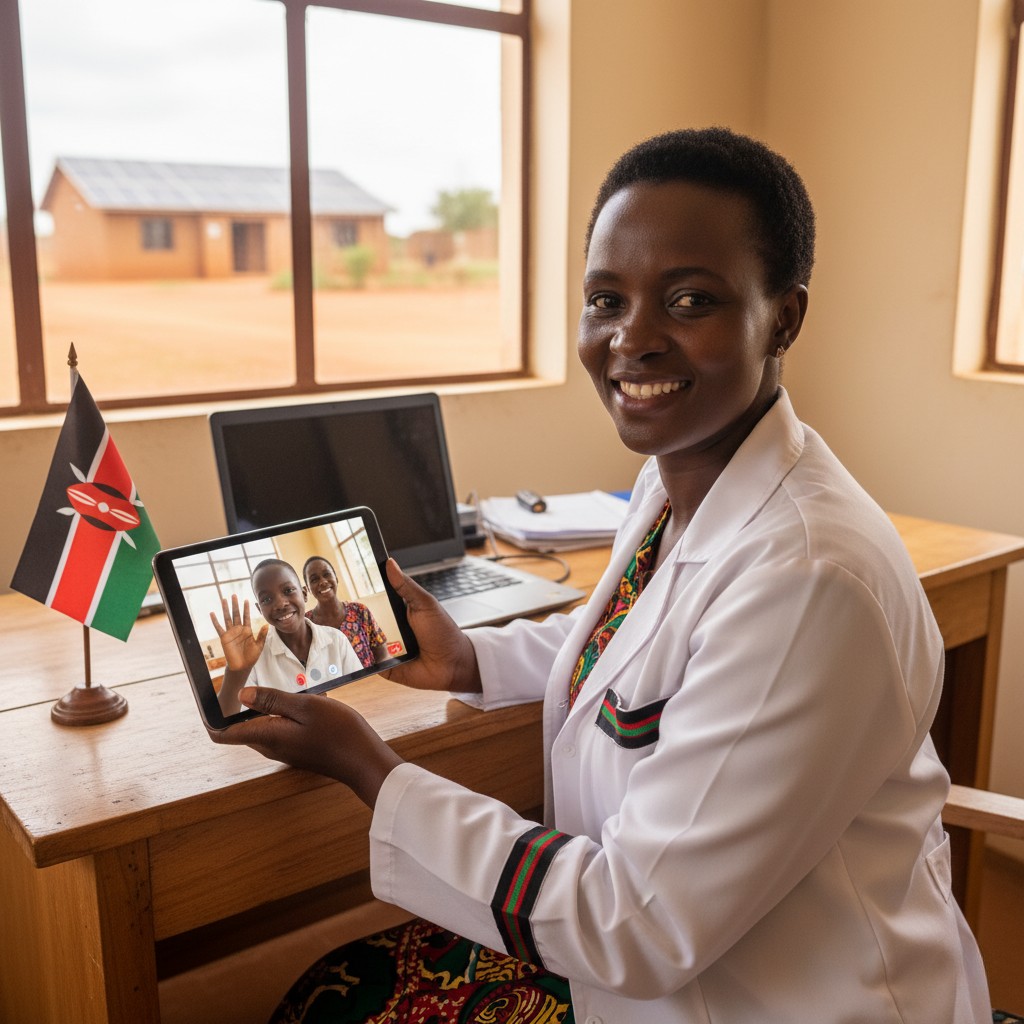
Africa: Leapfrogging Traditional Healthcare Barriers
Africa’s healthcare transformation is one of the most inspiring global stories.
By 2026, countries like Nigeria, Kenya, Ghana, and South Africa are leading in mobile-first telemedicine adoption.
Why telemedicine app development Works:
- Mobile Penetration: Over 600 million Africans now use smartphones, enabling mobile-based health delivery.
- NGO-Government Partnerships: Hybrid models with community health workers are revolutionizing rural care.
- Low-Bandwidth Apps: New telehealth platforms work effectively on 2G/3G networks.
Emerging Use Cases:
- Maternal Health: Remote pregnancy monitoring and AI chatbots for safe childbirth guidance.
- Mental Health Support: Affordable virtual therapy sessions breaking stigma barriers.
- Infectious Disease Monitoring: Cloud-based systems for malaria and TB tracking in remote regions.
Challenges:
- Inconsistent internet and electricity access.
- Need for trust-building and localized digital literacy training.
Solutions:
- Offline-compatible app design.
- Integration with local pharmacy delivery systems.
- Partnerships with ministries of health for credibility.

Brazil: Latin America’s Telehealth Powerhouse
Brazil’s telemedicine evolution is accelerating post-pandemic.
The Brazilian market, worth USD 1.8 billion in 2024, is projected to exceed USD 6.6 billion by 2030, making it the largest in Latin America.
Key Growth Areas:
- Telepsychiatry: Demand for mental health services skyrocketed post-pandemic.
- Chronic Care Programs: Hospitals now offer digital follow-ups for cardiac and diabetic patients.
- AI Symptom Checkers: Portuguese-language AI bots help doctors triage efficiently.
- Insurance Integration: Health insurers now cover virtual care as a standard benefit.
Brazil’s Health Ministry now allows remote prescriptions – a major milestone in scaling telehealth legally and safely.
Future Trends:
- Cross-border teleconsultation with Portuguese-speaking African nations.
- 3D telepresence and VR-based patient rehabilitation.
- Wearable IoT integration for vitals tracking.
Next-Gen Technologies Powering Telemedicine 2026
| Technology | Use Case | Benefit |
| AI & Machine Learning | Predictive diagnosis, symptom screening | Faster triage, reduces doctor workload |
| IoT & Wearables | Remote monitoring (heart rate, BP, glucose) | Continuous care & data-driven insights |
| Blockchain | Patient data security, cross-border verification | Trust & transparency |
| Cloud Computing | EMR storage, remote access | Scalable & compliant infrastructure |
| Virtual Reality (VR) | Pain management, remote surgery simulation | Enhanced treatment quality |
| 5G Networks | Ultra-low latency video consultation | Real-time diagnostics in remote areas |
Cross-Regional Insights to Watch
- Localization Beats Standardization: Patients in Nigeria expect WhatsApp integration; in Dubai, bilingual dashboards; in Brazil, Portuguese interfaces.
- AI + Human Synergy: Artificial intelligence enhances, not replaces, medical professionals.
- Hybrid Healthcare Models: Virtual + Physical = Complete care cycle.
- Government Partnerships: B2G collaborations will drive sustainable telemedicine programs.
- Telemedicine for Tourism and Expat Care: Cross-border consultations help global travelers and expatriates maintain care continuity.
Telemedicine FAQ
Q1. What is telemedicine and why is it important in 2026?
Telemedicine allows doctors to provide consultations, diagnosis, and follow-ups remotely. In 2026, it’s vital for regions with healthcare access gaps – especially in the Middle East, Africa, and Brazil.
Q2. How does telemedicine improve healthcare in rural areas?
It eliminates the need for travel, allows real-time diagnosis, and connects rural patients with urban specialists.
Q3. What technologies are powering telemedicine’s future?
AI, IoT devices, wearables, cloud computing, and blockchain make telehealth faster and safer.
Q4. Why should healthcare providers adopt telemedicine now?
Because patient expectations, government policies, and technology infrastructure have aligned – making 2026 the perfect year for digital transformation.
Q5. How can a software company help hospitals implement telemedicine?
By providing custom telehealth platforms, integration with EMR, multilingual support, secure video systems, and AI-powered analytics – all offered by companies like Sigosoft.
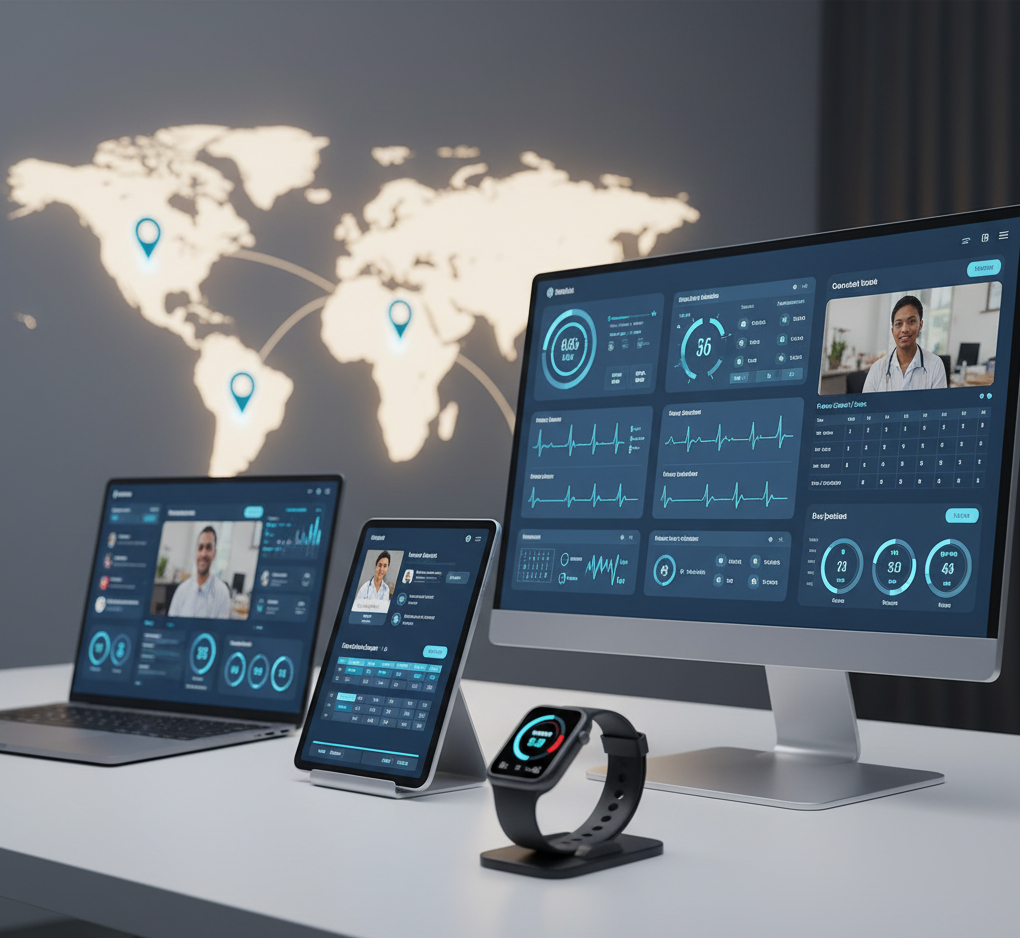
Conclusion: Telemedicine 2026 – A Borderless Healthcare Revolution
Telemedicine in 2026 is more than a trend – it’s a lifeline connecting global health systems.
For countries in the Middle East, Africa, and Brazil, it represents a chance to deliver equitable, affordable, and accessible healthcare to millions.
As technology and policy converge, now is the time for hospitals, startups, and governments to act boldly.
The future of healthcare is digital, inclusive, and globally connected – and Sigosoft is at the forefront of building that future.
Want to build a custom telemedicine app for your region?
Schedule a free demo with Sigosoft’s experts
Explore AI-based telehealth platforms for your hospital or clinic
Learn how to localize your digital health solution for the Middle East, Africa, or Brazil