
At first, it usually feels temporary.
An email goes unanswered. A support ticket sits open longer than usual. A promised fix doesn’t arrive.
Then a few days pass, and a worrying thought appears:
What if our software vendor stops responding completely?
For many businesses, this situation is more common than expected. Software projects change hands, agencies shut down, developers move on, and sometimes communication simply breaks down.
The real risk is not the silence itself it’s what can happen to your systems if nothing is done.
Here’s how to handle the situation calmly and professionally.
Step 1: Don’t Panic Check What You Actually Control
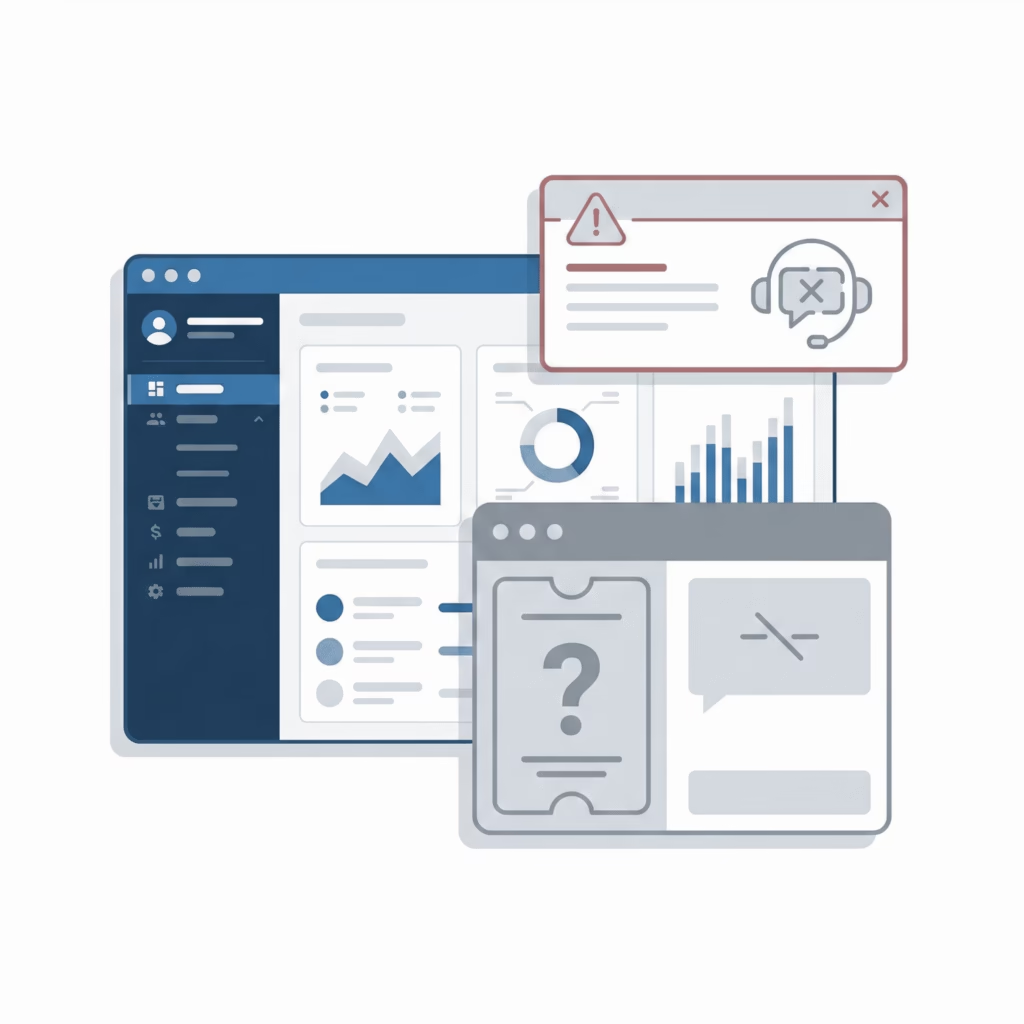
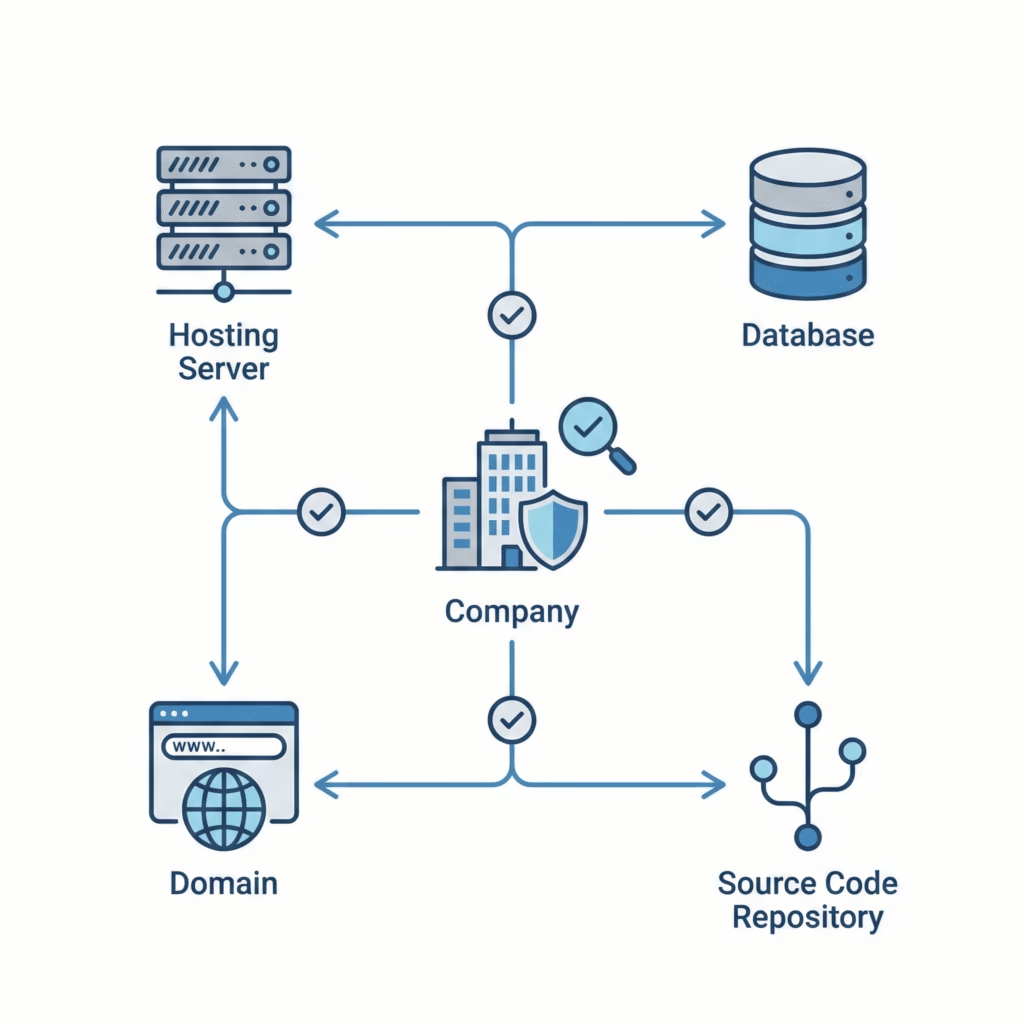
Before assuming the worst, take stock of what your organization already owns and controls.
Ask these questions:
- Do we have access to our hosting or cloud account?
- Do we have the source code?
- Do we control the domain and DNS?
- Do we have database credentials?
Many businesses discover at this stage that critical access is still tied to the vendor. If so, regaining control should be your first priority.
If your application is already running in production, the goal is simple: keep it stable while you assess your options.
Step 2: Make Sure Your Data Is Safe
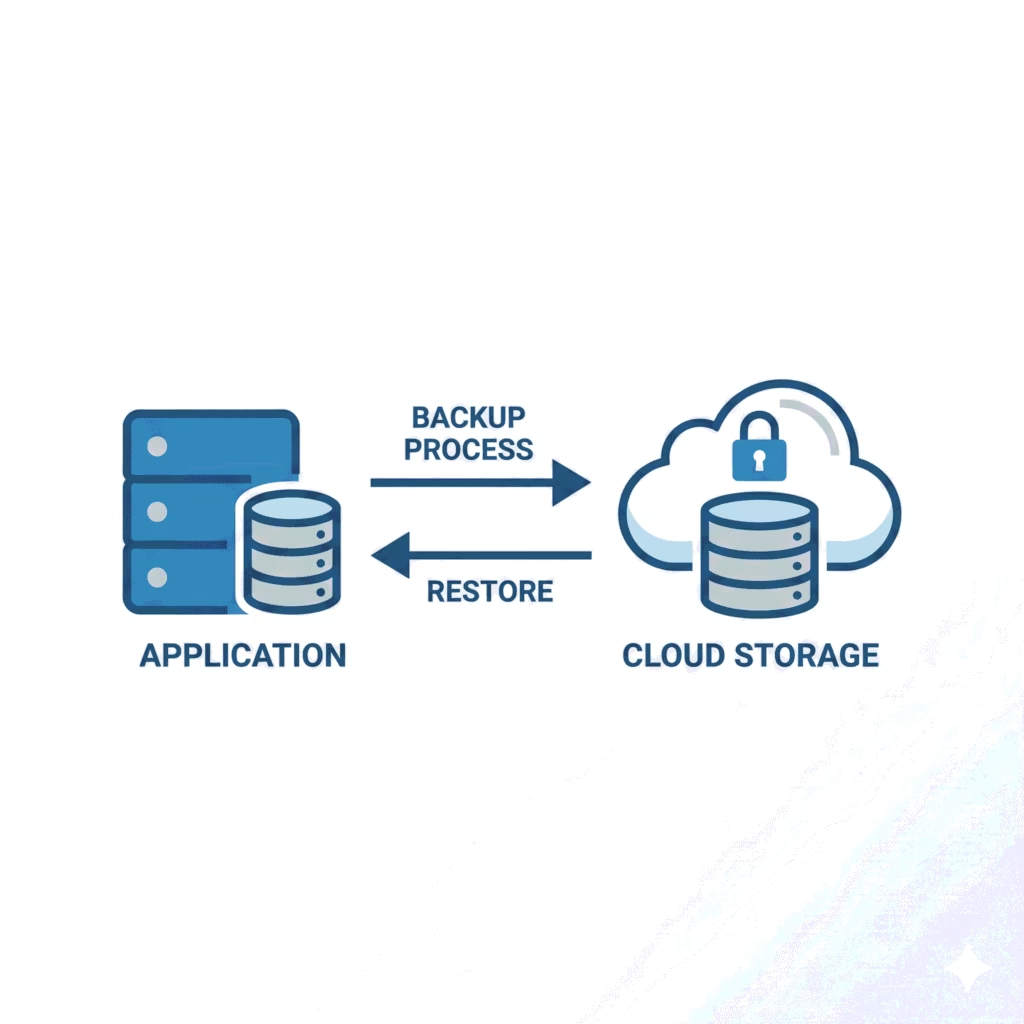
The biggest hidden risk in vendor abandonment isn’t bugs it’s backups.
Take a moment to verify:
- Are backups running automatically?
- Where are they stored?
- Has anyone tested restoring them recently?
If the answer to any of these is unclear, this is the first technical safeguard to implement.
Industry best practices from organizations such as the National Institute of Standards and Technology emphasize regular backup verification as a critical operational practice.
Step 3: Perform a Technical Audit to Understand Your Application
Before making big decisions like rebuilding or migrating, it’s important to understand what you already have.
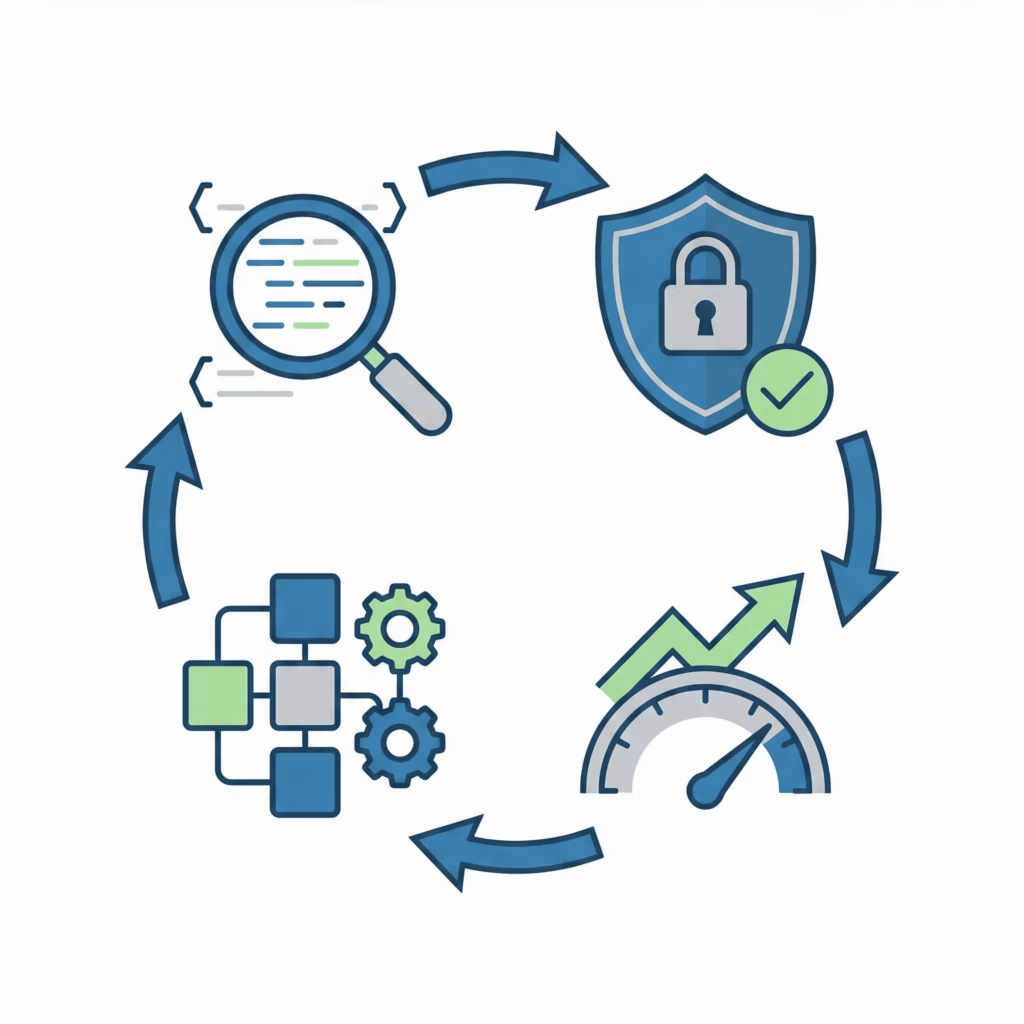
A technical audit can answer questions like:
- Is the code maintainable?
- Are there security risks?
- Are there performance issues?
- Are critical dependencies outdated?
Most systems are more recoverable than businesses assume. In many cases, stabilization and structured maintenance are far more practical than rebuilding from scratch.
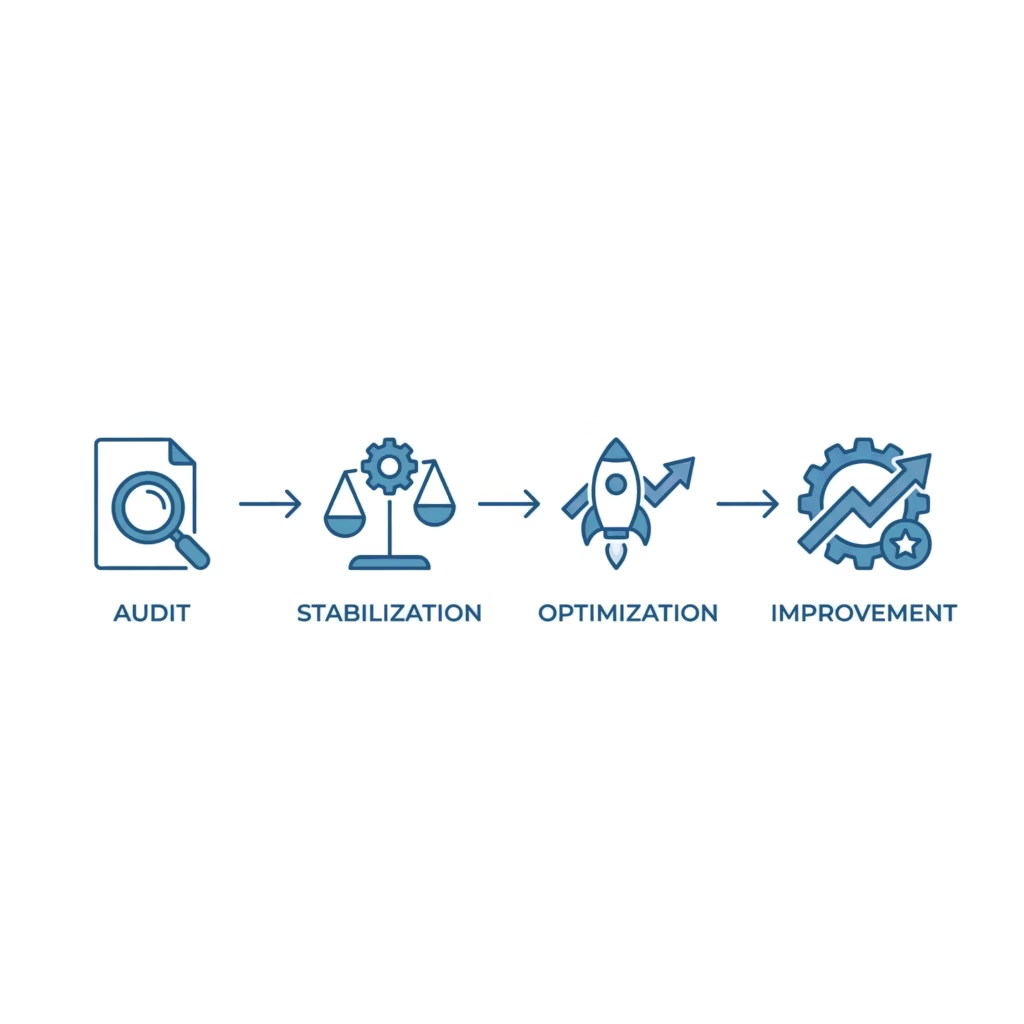
Step 4: Stabilize First, Improve Later
One of the most common mistakes businesses make in this situation is rushing into a full redevelopment.
A safer approach is:
- Stabilize the current system
- Fix critical issues
- Improve gradually
This keeps operations running while technical decisions are made carefully.
Experienced engineering teams can usually take over an existing system faster than expected, especially when infrastructure access and backups are available.
Step 5: Plan for Long-Term Ownership
The deeper lesson in situations like this isn’t about one vendor it’s about how software should be managed.
Software is not a one-time project.
It’s an asset that requires ongoing care.
That includes:
- Security updates
- Monitoring
- Performance improvements
- Documentation
Many organizations now move to a managed support or application ownership model to avoid future disruptions.
Step 6: Prevent Vendor Lock-In Going Forward
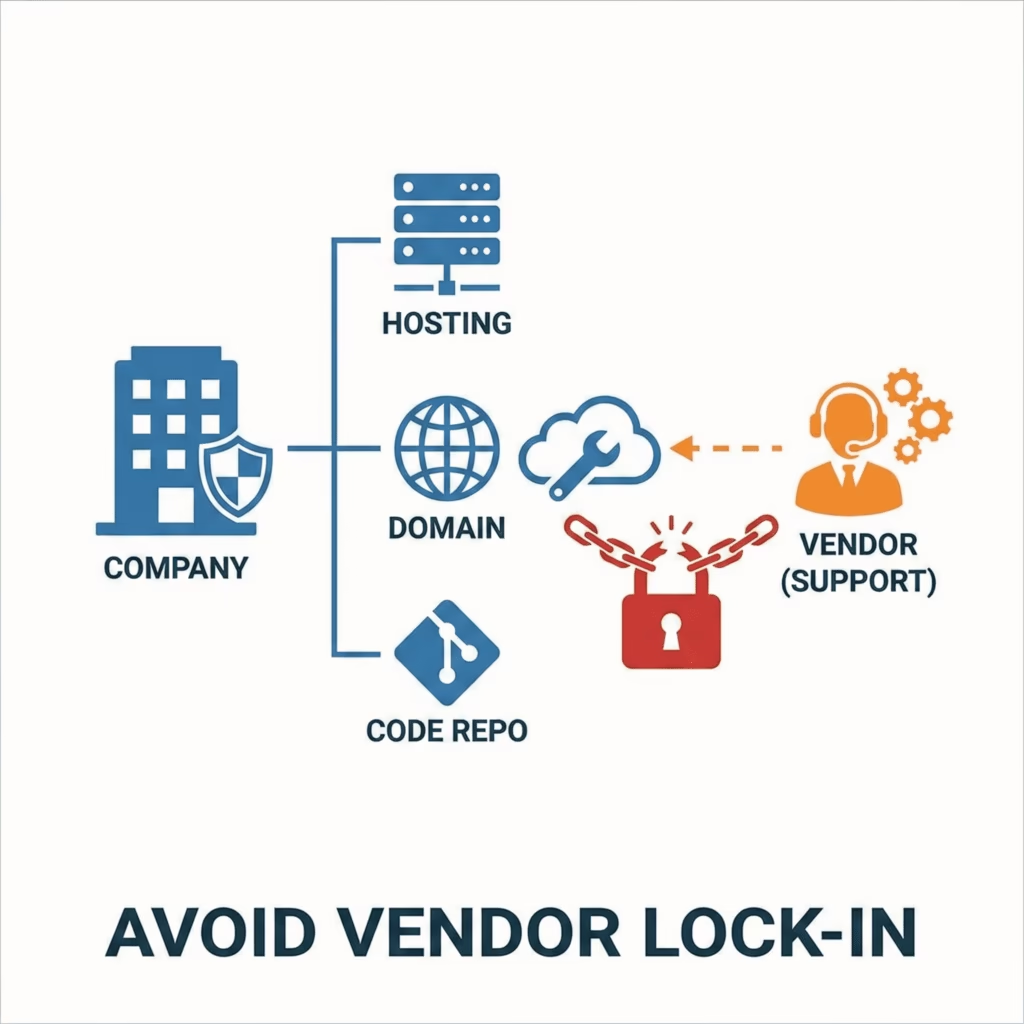
Once stability is restored, it’s worth putting a few simple practices in place:
- Keep infrastructure accounts under company ownership
- Store code in repositories your team can access
- Maintain internal documentation
- Schedule periodic technical reviews
These steps dramatically reduce dependency risks in the future.
Organizations following modern DevOps practices often adopt shared access models and transparent documentation to ensure continuity.
Real-World Incidents: When Software Failures Impact Businesses
These examples show how critical ongoing maintenance and technical ownership really are.
Knight Capital Group (2012)

In 2012, Knight Capital Group experienced one of the most widely cited software failures in financial history.
A deployment activated legacy code that had not been properly retired. Within about 45 minutes, the trading system generated unintended transactions that resulted in losses of more than $400 million.
What made the situation worse:
- Inconsistent deployment procedures
- Legacy components still present in production
- Lack of adequate safeguards
What businesses can learn:
Software that is not continuously maintained and audited becomes unpredictable over time. Even small overlooked components can create major operational risk.
TSB Bank Migration (2018)

In 2018, TSB Bank migrated millions of customer accounts to a new banking platform. The migration faced severe technical issues that left customers unable to access accounts for weeks.
Investigations later highlighted:
- Inadequate testing before migration
- Complexity in system transitions
- Dependency on external vendors
What businesses can learn:
System transitions and vendor changes must be carefully managed with structured audits and staged rollouts. Stabilization should always come before large-scale changes.
Target Canada (2013–2015)

When Target Canada launched its retail operations, supply-chain and inventory systems failed to synchronize correctly with real-world stock levels.
The result:
- Empty shelves in stores
- Excess inventory in warehouses
- Operational losses
While this was not caused by a vendor disappearing, it demonstrates how software systems without stable integration and ongoing support can disrupt entire business operations.
What businesses can learn:
Complex systems require continuous monitoring, data validation, and technical oversight.
Internet Shutdown Impacting Online Businesses in Iran (2026)

In early 2026, large-scale internet disruptions in Iran severely affected digital businesses. The shutdown limited access to online platforms, and many small businesses that depended on internet services reported major financial losses or closure. Some sellers lost all revenue within days and were forced to lay off workers or shut down operations.
What businesses can learn:
Modern businesses depend heavily on software infrastructure and connectivity. When systems or services become unavailable even temporarily operations can stop completely.
This example shows why:
- Backup communication channels
- Redundant infrastructure
- Business continuity planning
are critical.
TikTok Service Disruption Caused by Data-Center Failure (2026)

In January 2026, a major outage affected TikTok after a power failure at an Oracle data center disrupted tens of thousands of servers. Users experienced bugs, slow loading, and missing engagement data, and full recovery took several days.
The incident also drew criticism because communication about the issue was delayed, increasing user concern.
What businesses can learn:
Even large platforms depend on infrastructure providers.
If monitoring, redundancy, or communication processes are weak, outages can last longer and damage trust.
Cyberattack Disrupting Banking Services in Iran (2025)

A major cyberattack targeted Bank Sepah, disrupting ATMs, payment systems, and digital services. Reports indicated that banking operations and other connected systems were affected, and some data was reportedly erased.
In separate reports, multiple Iranian banks and financial systems were also affected by breaches and service disruptions during this period.
What businesses can learn:
Lack of strong security, monitoring, and recovery planning can halt critical operations.
Regular audits, patching, and incident response plans are essential.
What These Incidents Have in Common
Despite different industries, these situations share common patterns:
- Systems were complex and evolving
- Documentation and maintenance were not fully aligned
- Deployment or ownership processes had gaps
- Risks were underestimated until problems escalated
For most small and mid-size businesses, the situation is less dramatic but the underlying risks are similar.
More commonly, companies face:
- Vendors becoming unresponsive
- Legacy systems without documentation
- Applications running without monitoring
- No clear technical ownership
These problems rarely appear suddenly. They grow gradually until something breaks.
Real-Life Case Studies from Software Takeover Projects
Case Study 1: Stabilizing a Business-Critical Application
A logistics company approached us after their development vendor stopped responding.
Issues discovered:
- Backups not verified
- Incomplete server access
- Undocumented deployment process
- Increasing production bugs
Actions taken:
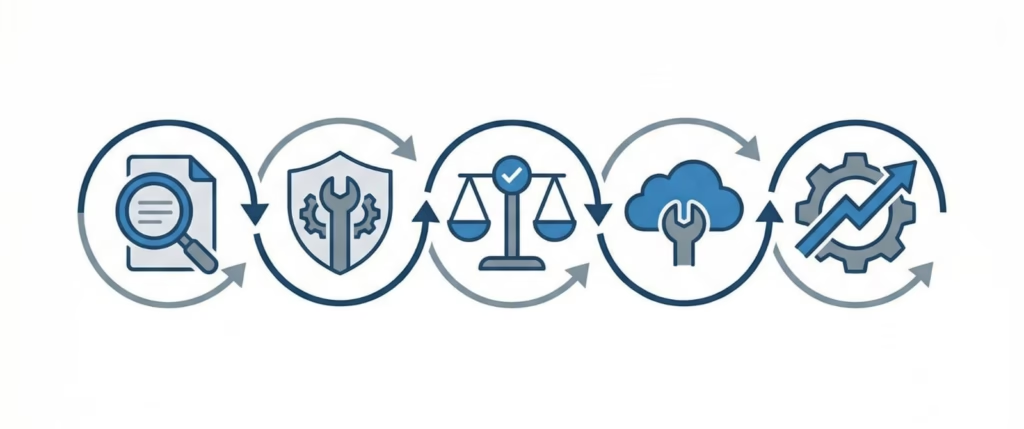
- Verified infrastructure access
- Audited the application
- Implemented monitoring
- Fixed critical bugs
Result: System stabilized within two weeks without downtime.
Case Study 2: Taking Over a Legacy Web Platform
A manufacturing company had an internal portal with:
- Outdated dependencies
- Performance issues
- Security risks
- No staging environment
Instead of rebuilding:
- Code audit performed
- Performance optimized
- Security patches applied
- Documentation created
Result: System remained operational and maintainable without redevelopment.
Case Study 3: Recovering Infrastructure Ownership
A company discovered that:
- Domain
- Hosting
- Deployment pipelines
were controlled by a vendor who was no longer reachable.
Actions taken:
- Recovered domain ownership
- Migrated hosting
- Implemented documentation and access policies
Result: Long-term operational control restored.
How Sigosoft Helps in Situations Like This

At Sigosoft, we often work with companies who reach out at exactly this moment when systems are still running, but support has become uncertain.
Our approach focuses on:
- Reviewing infrastructure and access
- Performing structured audits
- Fixing urgent issues
- Documenting systems
- Planning long-term maintenance
If your software vendor has stopped responding and you’re unsure what to do next, our engineering team can perform a technical assessment and help you regain control of your systems.
Final Thoughts

If a vendor stops responding, it doesn’t mean your software is lost.
In most cases, it simply means your system needs a new team to understand it, stabilize it, and maintain it responsibly.
With the right process, that transition can be smoother than many businesses expect.
FAQs
1. What should we do first if my software vendor stops responding?
Confirm access to hosting, databases, and backups, then perform a technical audit to assess system health.
2. Can another company maintain software built by a different vendor?
Yes. Most systems can be maintained or improved after a structured audit and documentation process.
3. Is rebuilding software always necessary?
No. Stabilizing and improving an existing system is often faster and more cost-effective.
4. How long does a software takeover process take?
Initial stabilization may take days, while full audits and transitions may take several weeks depending on complexity.
5. How can businesses avoid vendor lock-in?
Maintain ownership of infrastructure, retain documentation, and ensure repositories and credentials remain under company control.