Telemedicine is no longer a pandemic workaround it’s now a core channel for patient care, clinical workflows, and business growth.
In 2026, the best features of telemedicine apps go far beyond video calls. They integrate AI, remote monitoring, interoperability, and personalized care to improve outcomes and support scalable, reimbursable models.
If you want to build a telemedicine app that stands out, here are the key features and technologies shaping the market in 2026.
1. AI Clinical Assistants and Automation

AI has moved from “nice to have” to essential infrastructure.
Modern telemedicine apps use AI to:
-
Generate clinical notes automatically
-
Summarize consultations
-
Assist diagnosis with evidence
-
Automate prescription workflows
-
Flag high-risk patients
This reduces clinician workload, shortens consultation time, and improves documentation quality — a core need in high-demand healthcare systems.
2. Remote Patient Monitoring (RPM) and Chronic Care Workflows
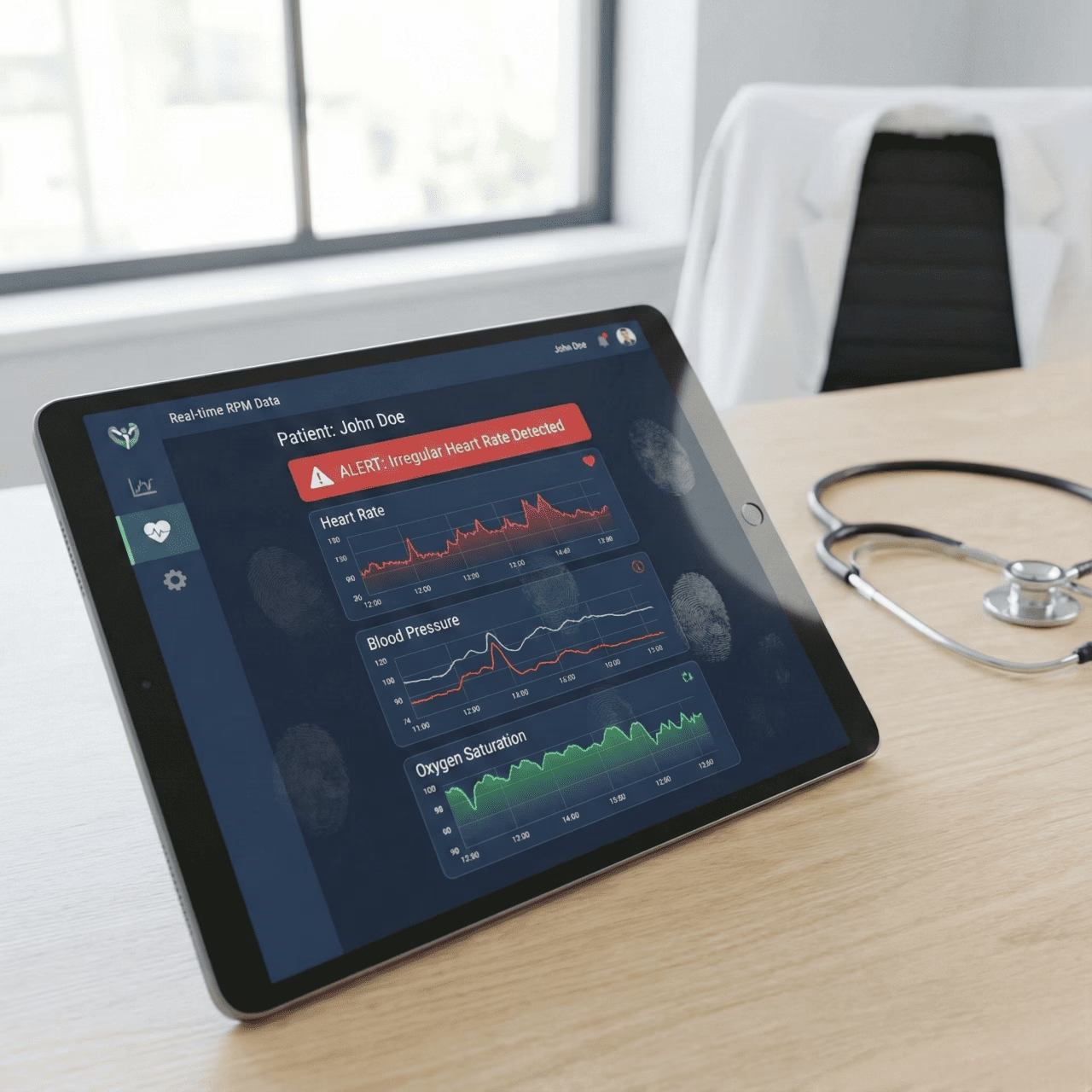
Telemedicine is shifting toward continuous care, not one-off consults.
Top-performing apps support:
-
Device data tracking (BP, glucose, heart rate, etc.)
-
Patient adherence monitoring
-
Alerts for abnormal readings
-
Billing-ready logs (for RPM reimbursements)
This enables providers to treat more patients, generate recurring revenue, and improve outcomes.
3. FHIR/EHR Interoperability

In 2026, providers expect seamless integration with:
-
EHR systems
-
Lab systems
-
Pharmacy platforms
-
Payer systems
Using FHIR-based APIs allows apps to:
-
Import records instantly
-
Update documentation automatically
-
Reduce manual entry
-
Improve care coordination
Without interoperability, enterprise adoption becomes difficult.
4. Personalized Care With Predictive Analytics
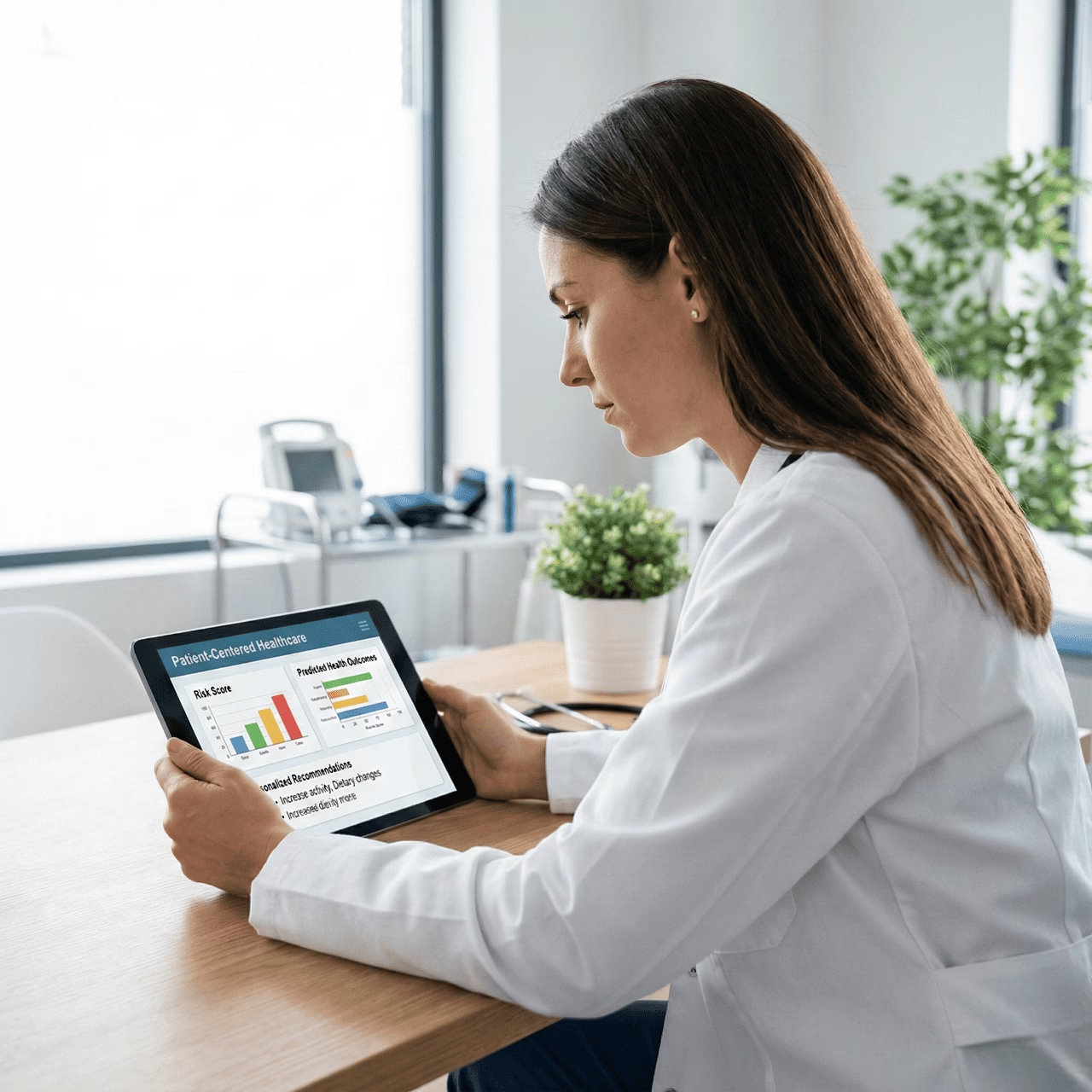
Telemedicine apps now use data to deliver personalized treatment paths, including:
-
Risk predictions
-
Lifestyle recommendations
-
Medication adherence reminders
-
Mental health prompts
This boosts patient engagement, clinical outcomes, and retention.
5. Enterprise-Grade Security and Compliance

Healthcare data security is non-negotiable. Your app must support:
-
HIPAA-compliant data handling
-
Role-based access control
-
Audit logs
-
Encryption in transit and at rest
-
Secure video and messaging
-
Consent capture workflows
Security is now a competitive advantage, not a paperwork requirement.
6. Integrated Billing and Insurance Workflows

The best telemedicine apps help clinics make money.
Key billing features include:
-
Insurance eligibility checks
-
CPT/HCPCS code support (RPM, CCM, etc.)
-
Reimbursement automation
-
Integrated payment gateways
-
Subscription billing
Telemedicine succeeds when clinical workflows connect to revenue workflows.
7. Smart Alerts, Notifications and Follow-ups

Consistent follow-up drives outcomes.
Modern apps include:
-
Appointment reminders
-
Medication reminders
-
RPM alerts
-
Care pathway prompts
-
Lab result notifications
Automated engagement improves retention without adding staff burden.
8. Hybrid Care Experience (Online + In-Clinic)
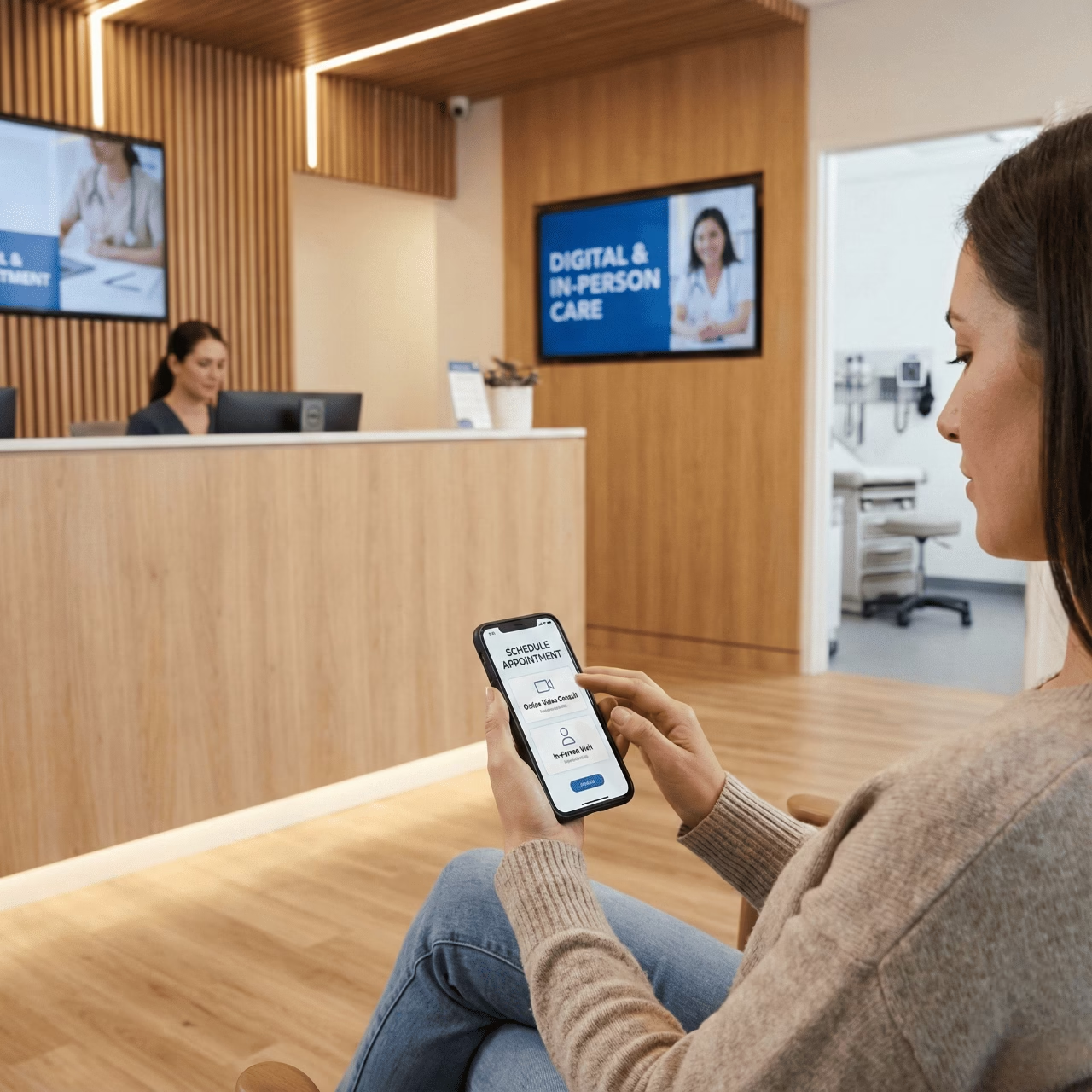
In 2026, telemedicine is not “online-only”.
Apps support hybrid experiences like:
-
Scheduling in-clinic visits
-
Sharing diagnostics
-
Coordinating referrals
-
Tracking care journeys
Patients expect one connected experience, not two separate systems.
9. Patient Experience as a Core Feature

The best apps win by focusing on ease of use, including:
-
One-tap login
-
Intuitive navigation
-
Patient profile dashboard
-
Accessible UI for elderly users
-
Multilingual options
-
Dark/light mode
Healthcare UX must feel simple, safe, and supportive.
Essential Features Every Telemedicine App Should Have

Quick summary of must-have functionality:
-
HD video/audio consultations
-
Secure in-app messaging
-
Appointment scheduling + calendar
-
Patient profiles with history
-
Provider search + filters
-
EHR integration
-
Wearable device integration
-
Medication tracking
-
Secure payments
-
Reviews/ratings
-
Emergency call system
-
Call recording (where legally allowed)
These form your core experience.
The earlier features form your competitive advantage.
Why Telemedicine Matters in 2026

Telemedicine apps are now central to healthcare because they:
-
Improve access
-
Reduce hospital burden
-
Lower costs
-
Enable proactive care
-
Improve clinical outcomes
-
Support reimbursement models
Patients expect digital-first healthcare, not digital-only during a crisis.
Why Choose Sigosoft for Telemedicine App Development?

Sigosoft builds scalable, secure, and revenue-ready telemedicine platforms tailored for hospitals, clinics, startups, and health-tech companies.
We specialize in:
-
HIPAA-compliant architecture
-
AI-powered clinical workflows
-
RPM + chronic care solutions
-
FHIR/EHR interoperability
-
Insurance billing modules
-
Wearable device integration
-
Patient-centric UI/UX
Our telemedicine platforms are built to support:
-
Faster time to market
-
Lower development costs
-
Enterprise-grade reliability
-
Long-term scalability
If you’re planning to launch or upgrade a telemedicine app, Sigosoft can help you move faster and build smarter.
Final Takeaway
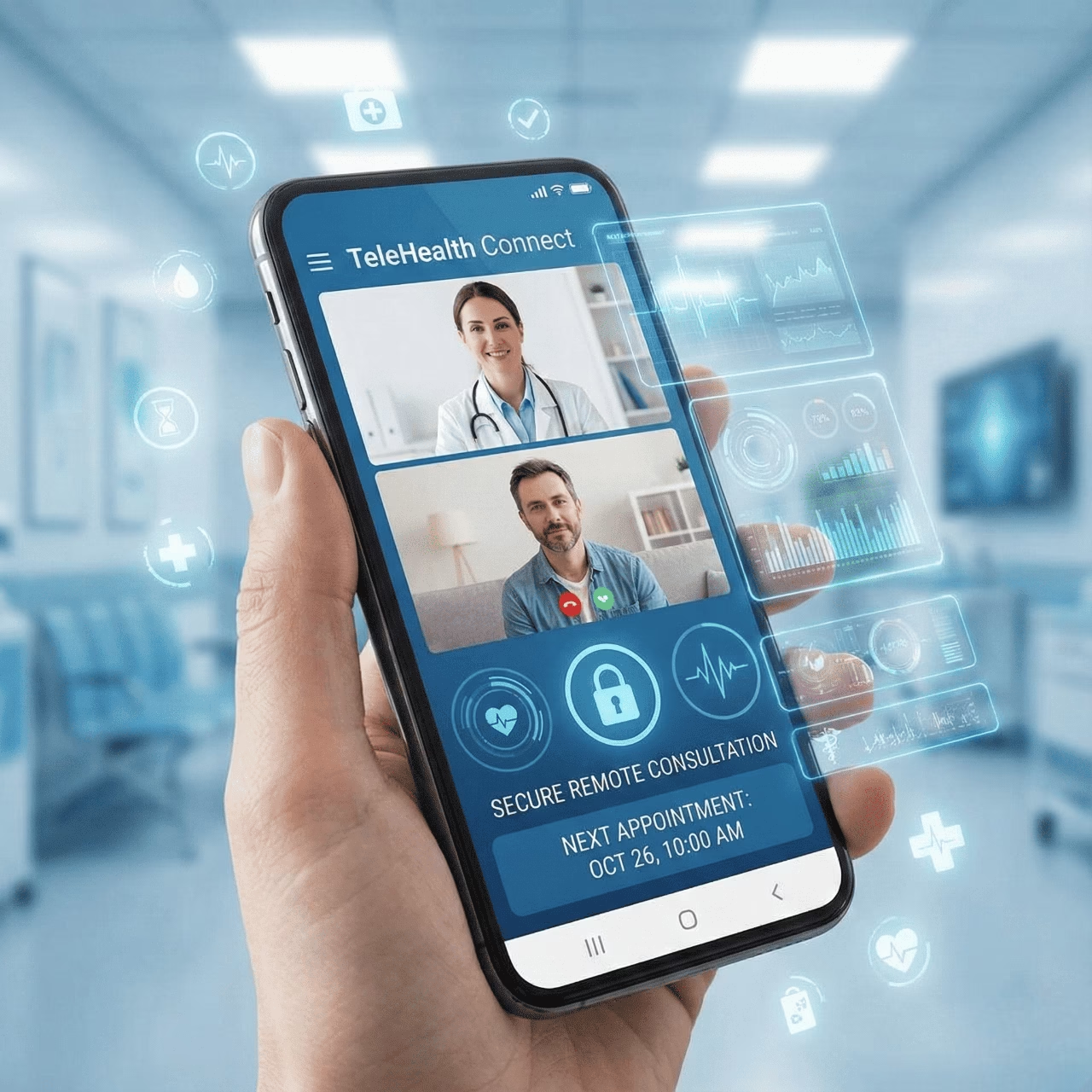
The future of telemedicine is built on more than video calls.
Apps that succeed in 2026 deliver:
-
AI-driven automation
-
Continuous remote care
-
Seamless interoperability
-
Enterprise-level security
-
Better patient experience
-
Clear revenue pathways
Healthcare is becoming digital, connected, and personalized and telemedicine apps are the foundation.