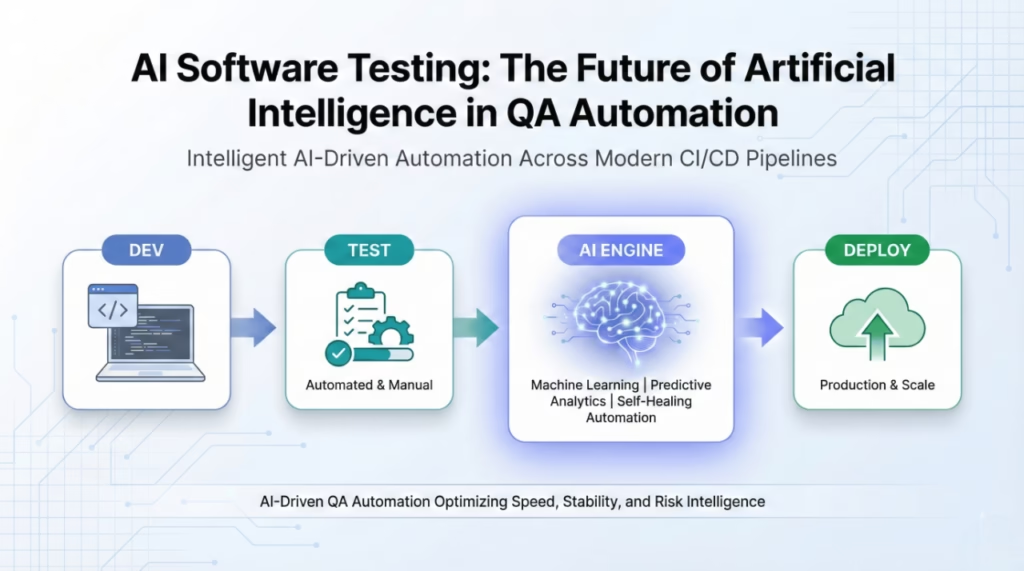
Artificial intelligence in software testing is rapidly transforming how modern applications are validated, optimized, and released. Traditional automation frameworks struggle to keep pace with continuous deployment, microservices architectures, and dynamic user interfaces.
AI software testing introduces machine learning, predictive analytics, and intelligent automation to make QA processes smarter, faster, and more reliable. As digital ecosystems grow more complex, AI for software testing is no longer experimental it is becoming foundational to engineering performance.
Organizations adopting artificial intelligence testing tools are seeing measurable improvements in regression stability, CI/CD efficiency, and defect prediction accuracy.
AI Automation Testing Tools
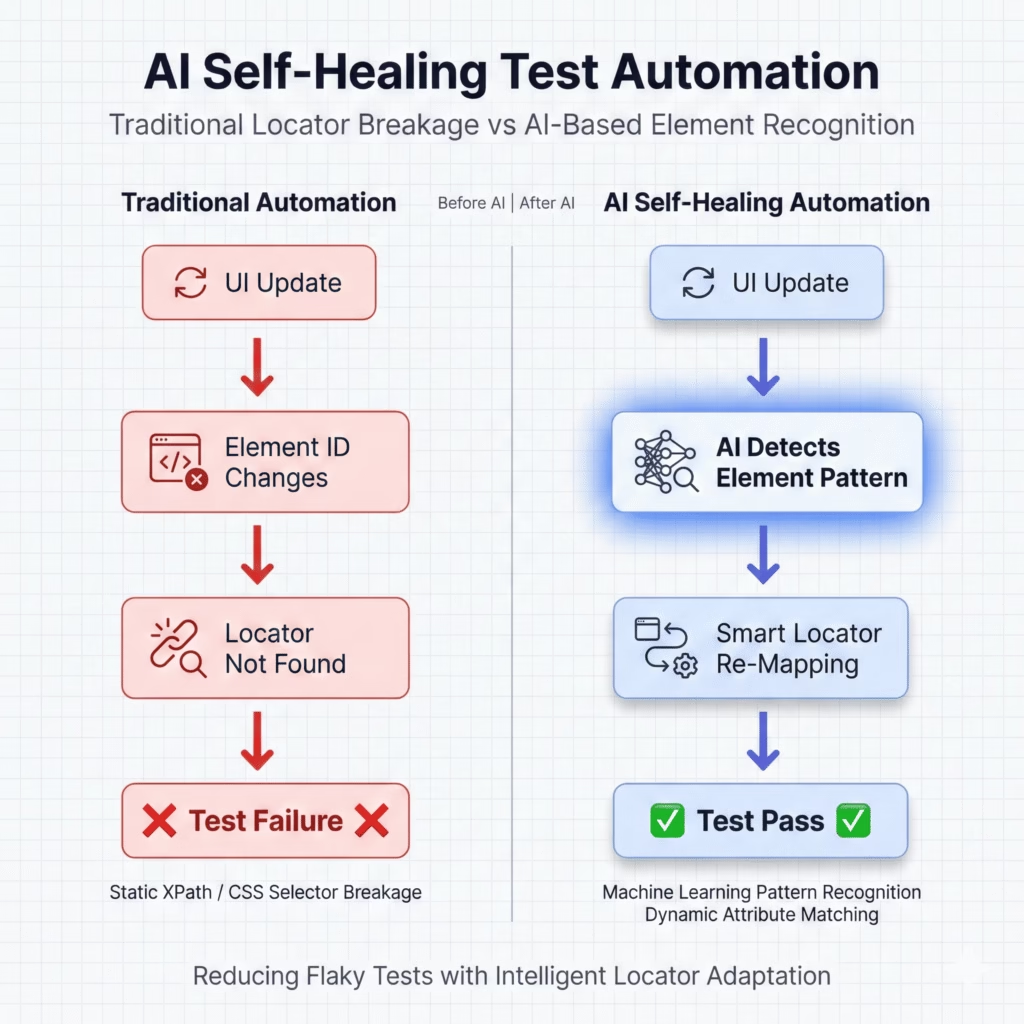
AI automation testing tools use machine learning algorithms to reduce script maintenance, detect unstable test cases, and adapt automatically to UI changes. Unlike traditional automation testing with AI add-ons, these platforms are built with intelligence at their core.
AI in automation testing improves long-term scalability by minimizing locator breakage and enabling self-healing scripts. This is especially valuable for SaaS products and enterprise applications that release frequently.
Leading AI Automation Testing Tools
- Testim – Smart locators and AI-driven self-healing capabilities.
- Mabl – Machine learning-based regression stability and change detection.
- Functionize – NLP-powered AI-based test automation tools.
- Katalon – AI-assisted object identification and intelligent wait strategies.
- Tricentis – Risk-based AI automation testing for enterprise systems.
These platforms represent some of the best AI automation testing tools currently used in enterprise environments.
Best AI Testing Software Platforms
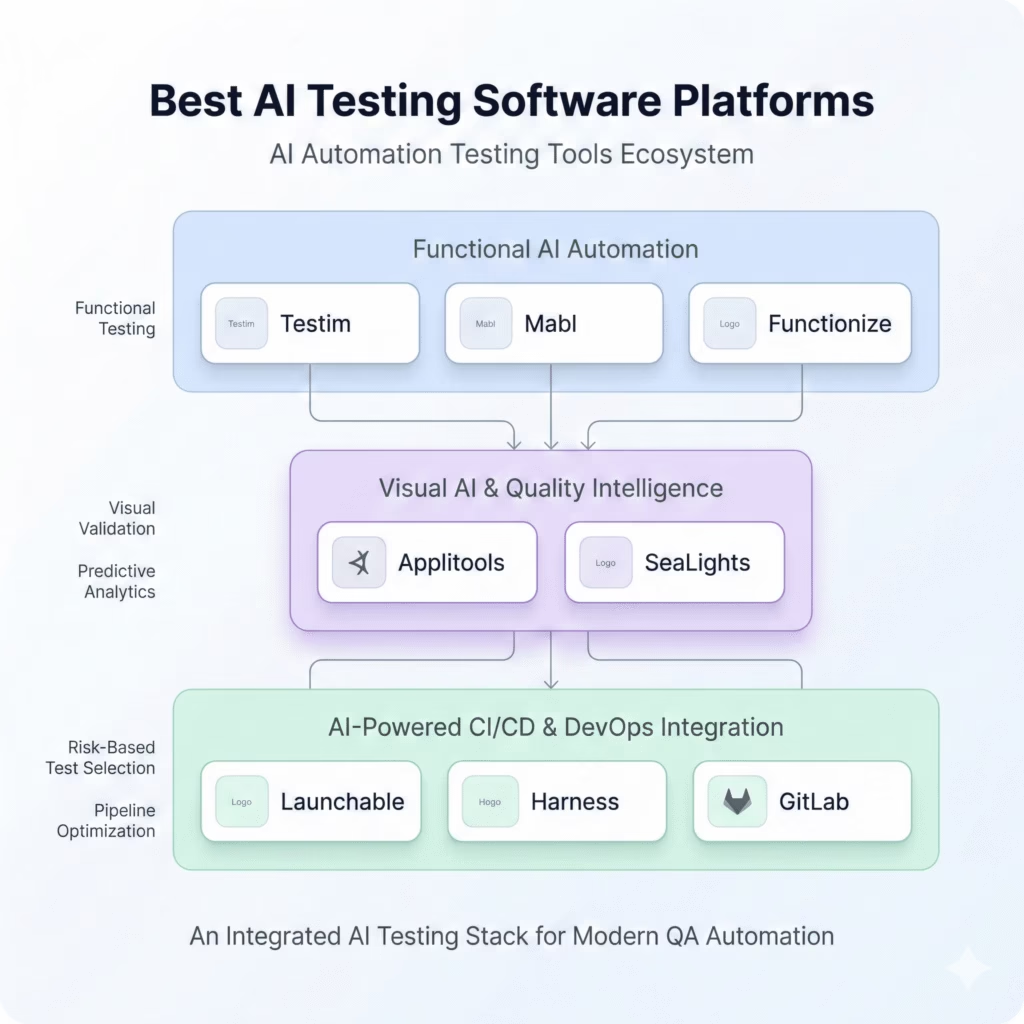
The rise of AI testing software has expanded beyond functional validation into predictive intelligence, analytics, and test optimization. Modern AI QA testing platforms combine automation, analytics, and CI/CD orchestration into unified ecosystems.
Software testing with AI enhances quality engineering maturity by introducing defect clustering, historical risk analysis, and automated prioritization.
Top Artificial Intelligence Testing Tools
- Applitools – AI UI testing with semantic visual validation.
- Launchable – AI ML testing tools for CI optimization.
- SeaLights – AI in QA automation with coverage intelligence.
- Harness – Intelligent CI/CD orchestration.
- GitLab – AI-enhanced DevOps lifecycle management.
These tools support high-value commercial queries such as automation testing with AI and AI in testing software, making them essential in modern QA strategies.
AI in QA Automation
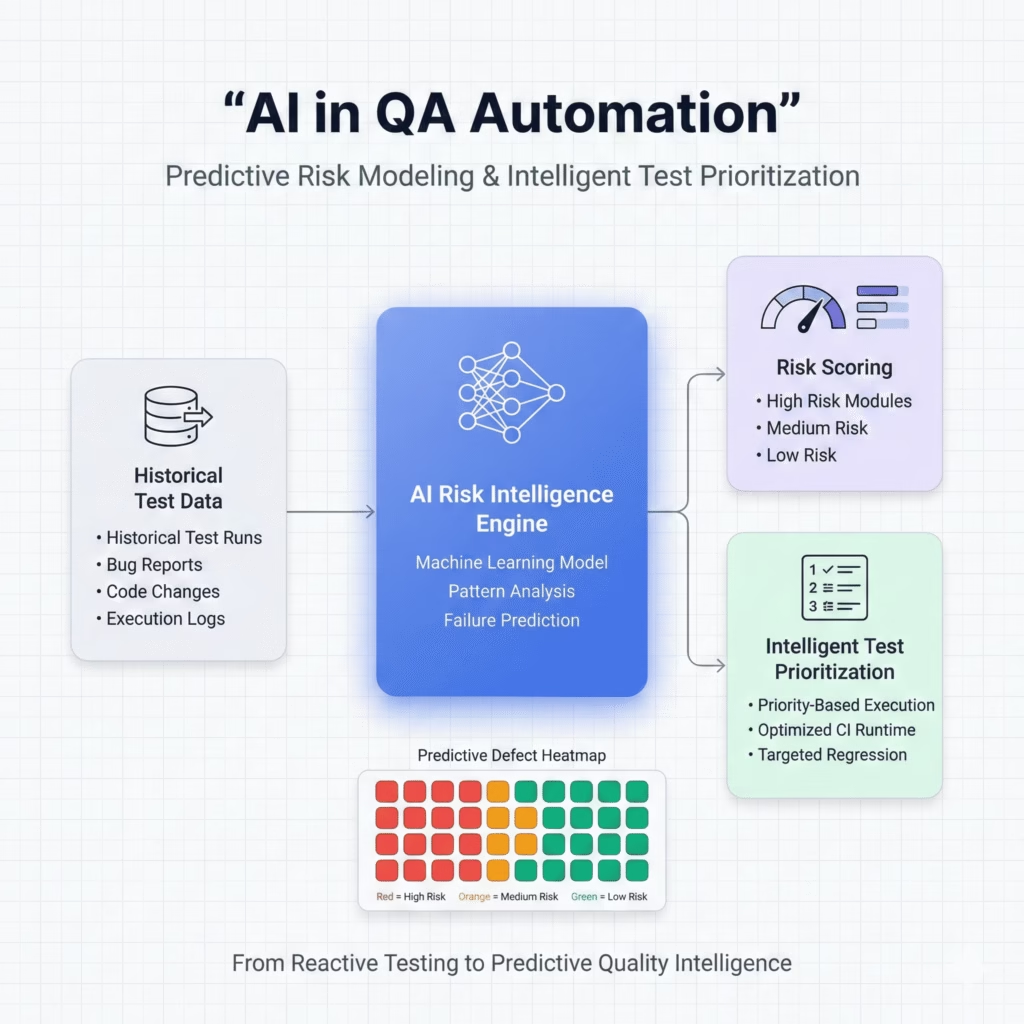
AI in QA automation introduces predictive risk modeling, intelligent test maintenance, and data-driven decision-making. Instead of running thousands of tests blindly, AI evaluates which areas of the application are most vulnerable.
AI ML in software testing enables teams to shift from reactive bug detection to proactive quality engineering. This dramatically improves release confidence and reduces production defects.
AI QA Testing Platforms
- Test.ai – Autonomous mobile app exploration and AI test generation.
- Perfecto – AI-driven mobile and web testing analytics.
- Sauce Labs – Intelligent cross-browser automation testing.
- BrowserStack – AI-powered device intelligence and analytics.
- Rainforest QA – Hybrid AI and human QA validation.
AI and software testing together create a scalable quality assurance ecosystem that adapts as products evolve.
AI UI Testing and Visual Validation
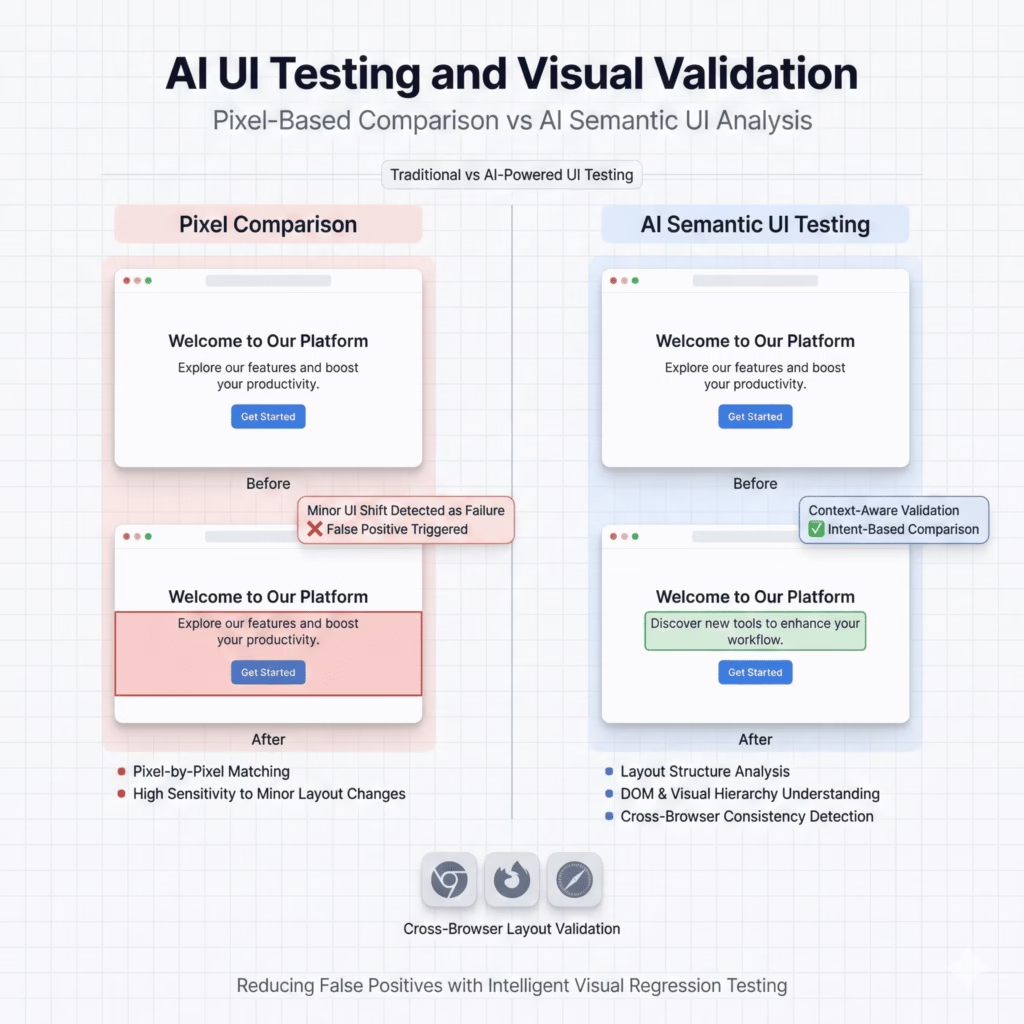
AI UI testing is a low-competition opportunity gaining strong adoption. Traditional pixel comparison tools generate excessive false positives, while AI-based visual systems understand structural layout and intent.
Artificial intelligence and software testing intersect strongly in visual regression validation, where layout consistency directly impacts user experience.
AI-Based UI Testing Tools
- Applitools – AI-powered visual UI validation with semantic comparison across browsers and devices.
- Percy – Automated visual regression testing integrated directly into CI/CD pipelines.
- Chromatic – Component-level UI testing and visual review for design systems and Storybook workflows.
- Happo – Snapshot-based cross-browser visual regression testing for frontend applications.
- LambdaTest – Cloud-based cross-browser and cross-device testing with visual validation support.
AI UI testing improves cross-browser reliability and ensures consistent digital experiences.
AI-Based Test Automation Tools for CI/CD
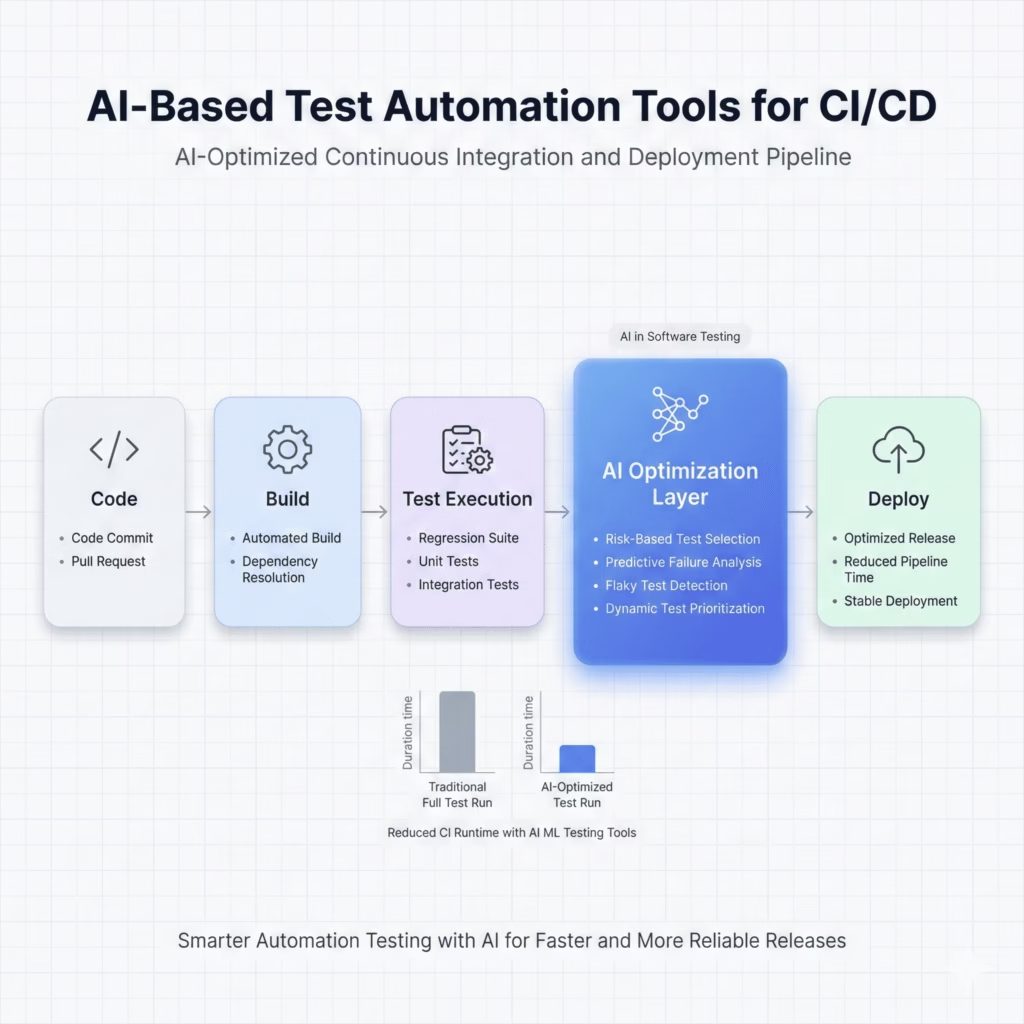
Artificial intelligence testing is most powerful when integrated directly into CI/CD pipelines. AI-based test automation tools analyze historical execution patterns and dynamically prioritize test cases.
AI in software testing within DevOps workflows reduces pipeline duration while maintaining coverage depth. This makes AI testing tools especially valuable for high-frequency release environments.
AI ML Testing Tools for CI/CD
- Launchable – Machine learning-based test prioritization for faster and risk-focused CI pipelines.
- CircleCI – Continuous integration platform enabling automated build, test, and deployment workflows.
- Harness – AI-powered CI/CD automation with intelligent deployment verification.
- Dynatrace – AI-driven application performance monitoring with real-time anomaly detection.
- New Relic – Observability platform providing performance analytics and AI-based system insights.
These platforms enhance software testing using AI by connecting quality intelligence directly with deployment automation.
AI Testing Tools Open Source Ecosystem
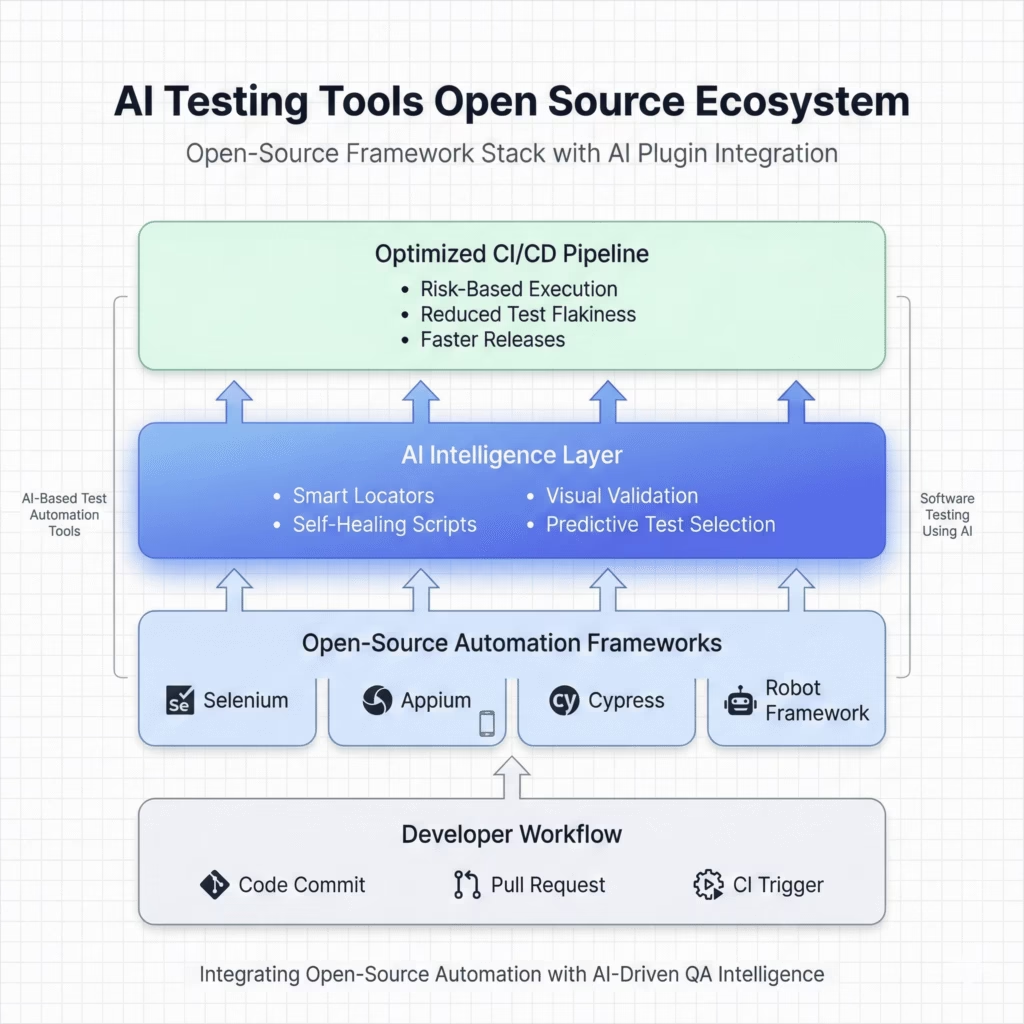
AI testing tools open source solutions are gaining traction among startups and development teams seeking flexible experimentation. Open ecosystems accelerate innovation in artificial intelligence and software testing.
Notable Open-Source or Community-Driven Tools
- Selenium – Enhanced with AI plugins for smarter automation.
- Appium – AI-integrated mobile automation.
- Robot Framework – Extensible AI integration support.
- Gauge – AI-enhanced scripting flexibility.
- Cypress – Supports AI-powered extensions.
These tools create opportunities for teams exploring AI-based software testing tools in experimental environments.
The Strategic Impact of AI for QA Testing
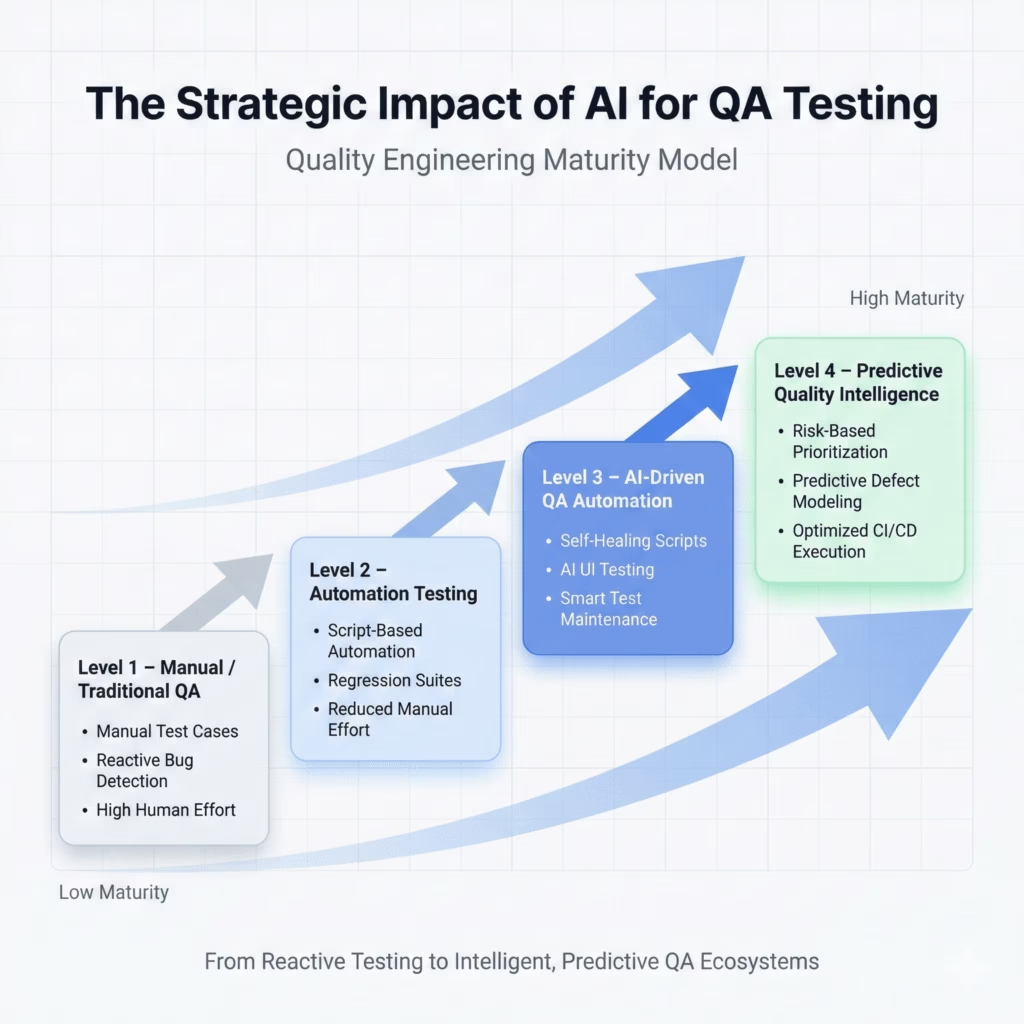
AI for QA testing enhances:
- Defect prediction accuracy
- Automation stability
- CI/CD performance
- Risk-based prioritization
- Cross-device compatibility
Artificial intelligence in QA automation shifts quality engineering from manual oversight to intelligent orchestration.
Organizations integrating AI in software testing are building more resilient, scalable, and release-ready applications.
Conclusion
AI software testing is redefining modern QA automation. As release cycles accelerate and architectures become more complex, artificial intelligence in software testing enables predictive validation, intelligent risk prioritization, and self-healing automation at scale.
By combining AI automation testing tools, AI UI testing, and AI ML testing tools within CI/CD pipelines, organizations can achieve faster deployments, higher regression stability, and improved defect prediction accuracy. Automation testing with AI is no longer experimental; it is becoming a core engineering strategy.
AI in QA automation transforms software testing from reactive defect detection to proactive quality intelligence. Businesses that adopt AI-based software testing tools today are building scalable, resilient, and future-ready digital systems.
FAQ
1. What is AI software testing?
AI software testing uses machine learning and predictive analytics to automate test creation, maintenance, and risk prioritization within QA automation workflows.
2. What are the best AI automation testing tools?
Popular options include Testim, Mabl, Functionize, Tricentis, and Applitools, depending on whether the focus is functional, predictive, or visual testing.
3. How does artificial intelligence improve QA automation?
AI reduces flaky tests, predicts high-risk defects, prioritizes CI/CD execution, and adapts automatically to UI changes.
4. Are there AI testing tools open source?
Yes. Frameworks like Selenium, Appium, and Robot Framework can integrate AI plugins and extensions.
5. Is AI in software testing suitable for enterprises?
Yes. AI-based testing tools scale effectively for enterprise systems with complex architectures and continuous deployment environments.
6.How does Sigosoft approach AI-driven software testing?
Sigosoft integrates AI automation testing tools, visual validation, and predictive QA models within CI/CD pipelines to deliver scalable, reliable, and data-driven software testing solutions.