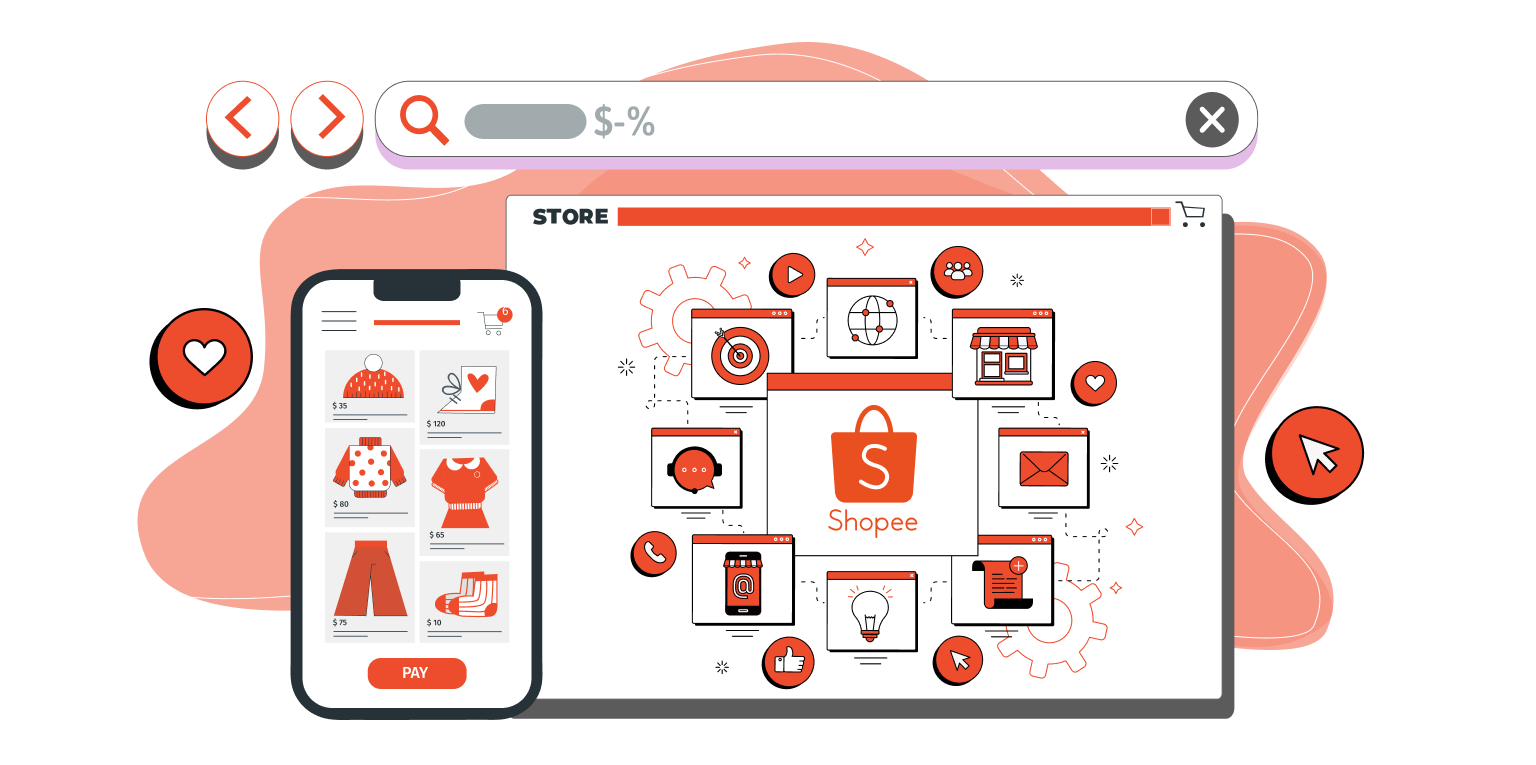
Building an online shopping app like Shopee requires clear feature planning, scalable backend architecture, secure payments, and a mobile-first user experience. In 2026, businesses that invest in well-structured ecommerce apps gain a strong competitive advantage in mobile commerce.
The rapid growth of mobile shopping has transformed how customers discover and purchase products. Today, users expect fast navigation, seamless checkout, secure transactions, and personalised recommendations all within a single app. This shift has made ecommerce app development a core strategy for brands aiming to scale digitally.
Successful platforms such as Amazon and Flipkart demonstrate how well-designed marketplace apps can connect businesses with millions of customers through performance, reliability, and user-focused design.
If you’re planning to launch an ecommerce business or build your own online shopping app, understanding the development process is essential. In this guide, you’ll learn the key steps, essential features, cost considerations, and common challenges involved in building a scalable shopping app like Shopee so you can plan confidently and avoid costly mistakes.
Examine the Market for Apps for Online Shopping, such as Shopee
-
The online shopping industry has been growing rapidly, with some apps dominating the global market:
-
Amazon leads worldwide, with over 217 million monthly active users.
-
Walmart follows closely in the US, with around 120 million monthly users.
-
eBay also sees massive traffic, reaching 590+ million monthly visitors.
-
During the pandemic, online shopping apps saw a huge surge as people preferred buying from home.
-
In 2021, Amazon recorded 50.7 billion login sessions, making it the most-used shopping app.
-
Walmart came next with 25 billion sessions, followed by Taobao (14.4B) and SHEIN (11.6B).
-
In India, Flipkart continues to dominate, holding nearly 40% of the market share.
These numbers clearly show that online shopping apps are now a core part of everyday life — and the demand keeps rising every year.
-
What Is a Shopee-Like Online Shopping App?

An app like Shopee is an online shopping app that lets people browse, buy, and get products delivered right to their doorstep. These apps work on smartphones and tablets and can be downloaded from the Google Play Store or Apple App Store.
Shopping apps usually offer a wide range of products — clothes, electronics, home items, groceries, and more. They include essential features such as:
-
A shopping cart
-
Secure payment options
-
Fast delivery choices
-
Filters and search tools to find products easily
Many apps also offer advanced features like personalized recommendations, loyalty points, and instant customer support.
Overall, apps like Shopee make shopping easy, fast, and convenient, allowing users to shop anytime, anywhere with a more personalized experience compared to traditional websites.
How Do You Make An Online Shopping App?

You may find a guide to help you with bespoke web development in this section. Although creating an online shopping app similar to Shopee can be a challenging undertaking, the following general stages will help you get started:
-
Do some market research and analysis:

Before you build an eCommerce app, the first and most important step is market research. This helps you understand:
-
Who your target customers are
-
What they want
-
What your competitors are already offering
-
What gaps or opportunities exist in the market
Good research makes it easier to create an app that truly solves user problems and stands out from competitors. Many entrepreneurs skip or rush this step, which leads to challenges later. So, take time to study the market thoroughly before starting development.
-
Describe the features and functionality of the app:

Next, list the features your online marketplace should include. Common essentials are:
-
Shopping cart
-
Secure payment gateway
-
Product search and filters
-
Delivery and shipping options
Your app should not only be feature-rich but also simple, attractive, and easy to use. Focus on clean design, smooth navigation, and a layout that makes shopping effortless. A good user experience is what separates successful apps like Shopee from the rest.
-
Develop the application:

Once your plan is ready, it’s time to start building the app. You’ll need experienced developers who can turn your ideas into a working mobile application. They will choose the right programming language and framework to match your requirements.
Keep in mind: building an eCommerce app can take time due to its many features. That’s why regular communication with your development team is important. It helps you stay updated and ensures the app is built exactly the way you want.
-
Check and Open the App:

After development, testing is a crucial step. Every part of the app—features, design, and performance—must be checked to ensure everything works smoothly. Your development team should thoroughly test the app and fix any issues before launch.
Once the app is fully tested, you can prepare for launch. However, launching an eCommerce app comes with its own challenges. This is why it’s important to work with an experienced eCommerce app development company that can guide you through publishing on the App Store and Google Play.
Remember, building an app like Shopee involves many details beyond this overview. To ensure long-term success, it’s best to partner with a skilled and reliable development team that understands online shopping platforms.
Characteristics of Shopee-like Online Shopping Apps?

Understanding the features of web apps is crucial when developing ones similar to Shopee. The time has arrived for you to review some amazing features of both panels’ online marketplace development. These are some common aspects that you should take into account while creating an app similar to Shopee for online shopping.
-
The User Panel
Listings of Products: a list of goods with details including pictures, descriptions, costs, and ratings that may be purchased.
User Profiles: A website where users can create accounts, log in, and manage their profiles and purchases.
A feature in the marketplace: App development called “shopping cart” enables customers to add products to a virtual cart and pay for them all at once.
Payment gateway: A safe method of handling credit card and mobile payments made online is called a payment gateway.
Product Lookup and Sorting: A tool that makes it simple for consumers to locate and arrange products according to a variety of factors, including brand, category, price, and rating.
Order Tracking: A feature in online marketplace development that allows users to view the status of their orders and receive updates on the delivery process.
Customer Service: A system for handling customer inquiries, complaints, and feedback through a live chat or a support hotline.
Delivery Options: Users can choose from various delivery options, such as standard shipping, express shipping, and pickup in-store when placing an order.
Push Notifications: A system that sends updates and alerts to users through push notifications, such as new product releases or sale events.
Personalization: A feature in eCommerce application development that tailors the user experience to the individual user’s preferences and histories, such as by showing recommend
-
Admin Console
Product management: adding, modifying, and removing products from the app’s catalog while maintaining all relevant information about them, including prices, categories, photos, and descriptions.
Order Processing: Tools for handling orders placed via the app, such as the capacity to handle refunds, examine and update order status, and notify customers of shipment updates.
Client Administration: A customer database and tools for handling accounts and data, such as seeing orders, address information, and contact details for customers.
Marketing and Promotions: Tools for designing and organizing marketing programs, such as generating discount codes and promo codes, putting up email marketing campaigns, and monitoring the outcomes of marketing initiatives.
Reporting and Analytics: The capacity to monitor important app performance indicators and metrics including revenue, traffic, and user engagement.
User Administration: Adding, modifying, and removing user accounts as well as allocating roles and permissions, and monitoring user activity are among the tools for managing user accounts.
Configuration & Settings: You may customize the theme and layout of the app, set up payment gateways, and choose shipping methods to control the overall behavior and appearance of the app.
Technology Stack Used in Shopee and Other Online Shopping Apps

The particular specifications and functionalities of the app will determine the technological stack utilized to create an online shopping app similar to Shopee. However, make sure you have the backing of the top online shopping app development business before moving forward. The following is a list of common tech stack elements that might be utilized in the creation of an app similar to Shopee:
- Languages for Programming: Popular programming languages for creating web apps are Python, Java, and JavaScript.
- Framework for the front end: To create the user interface and manage user interactions with the program, front-end frameworks like React and Angular are utilized.
- Framework for the back end: The server side of the application is developed using a back-end framework, such as Django or Node.js, which also manages the database and performs server-side rendering.
- Database: The app stores and retrieves data, including product listings and user information, via a database like MySQL or MongoDB.
- Cloud Services: You can host the app on a cloud service like Google Cloud or Letgo Web Services, which also offers scalability, security, and other advantages.
- Other tools and Services: Project management software, testing frameworks, and version control systems are a few more products and services that can be used in the eCommerce web development process.
Remember that this is only a high-level summary of the tech stack; many more elements may be included based on the particular needs of eCommerce web development. It is advised that you consult with an experienced eCommerce marketplace development company to choose the best tech stack for your business.
How Much Does It Cost to Create a Shopee-like Online Shopping App?

The complexity of the app, the number of features and functionality, the design and user experience, and the technological stack utilized are some of the variables that can significantly affect the cost of creating an e-commerce website similar to Shopee.
The following variables may have an impact on the price of creating an e-commerce website:
- App Complexity: Developing an eCommerce marketplace requires a lot more time and resources, which drives up development costs.
- Number of Features: Developing an app requires time and resources, which goes up in price the more features and capabilities it has.
- User Experience and Design:It will cost more to develop an app that is well-designed and easy to use because it will take more time and resources.
- Technology Stack: The app’s development process’s technology stack may have an impact on the price. For instance, the cost might be higher if you use more sophisticated or specialized technologies.
- The Group for Development: The price of creating an app similar to Shopee might also be influenced by the e-commerce development company you decide to collaborate with. For instance, it can cost more to work with a larger development team or an agency with more experience than it would to work with a smaller team or a lone freelancer.
Generally speaking, based on the previously stated parameters, the cost of designing an online shopping app might vary from $8,000 to $22,000. When carefully planning development, eCommerce developers must take your requirements and budget into account.
Here are some key steps to consider as you delve into market research:
-
Identify Target Audience and Niche

Define your target audience based on demographics, interests, and behavior. This will help you tailor your platform to their needs and stand out from the competition. Additionally, identify a niche within the e-commerce market that you can specialize in, enabling you to focus your efforts and provide a unique value proposition.
- Analyze Competitors
Study the existing e-commerce platforms, including Shopee, and analyze their strengths and weaknesses. Look for areas where you can differentiate yourself and offer better solutions. This competitive analysis will help you position your platform effectively.
- Understand Consumer Preferences
Conduct surveys, interviews, or focus groups to understand what customers expect from an e-commerce platform. Identify pain points, features they appreciate, and areas that can be improved.
-
Building a Robust Infrastructure

Once you have gathered valuable insights from the market, it is time to lay the foundation for your e-commerce platform. Building a robust infrastructure is essential to ensure a seamless user experience and overall functionality of your application.
“A solid infrastructure is akin to a strong backbone that supports the growth of your platform.” – Sarah, a seasoned e-commerce developer.
Consider the following steps when building your infrastructure:
- Choose the Right Technology Stack
Selecting the right technology stack is crucial for the success of your e-commerce platform. Opt for scalable and reliable solutions that can handle high traffic, secure transactions, and provide a smooth user interface. Some popular options include using frameworks such as React Native or Flutter for mobile app development, and powerful backend solutions like Node.js or Ruby on Rails.
- Design an Intuitive User Interface
The user interface (UI) plays a vital role in attracting and retaining users. Aim for a clean and intuitive design that allows users to navigate effortlessly through the platform. Implement modern design principles, such as minimalist aesthetics, intuitive navigation menus, and responsive layouts for seamless browsing on different devices.
- Ensure Secure Payment Systems
The security of payment transactions is paramount for building trust with your users. Incorporate secure payment gateways, such as PayPal or Stripe, and implement encryption protocols to protect sensitive user information. Additionally, comply with industry regulations, such as the Payment Card Industry Data Security Standard (PCI DSS), to ensure the highest level of security.
- Implement a Robust Product Catalog System
An efficient product catalog system allows users to easily browse and search for products. Implement filters, categories, and sorting options to enhance the shopping experience. Additionally, consider integrating advanced features like product recommendations based on user preferences and behavior to personalize the user’s journey.
-
Creating a Seamless User Experience

Now that your platform has a robust infrastructure in place, it’s time to focus on creating a seamless user experience. This will help you engage customers and encourage repeat business, ultimately driving the success of your e-commerce platform.
“User experience is the bridge that connects your platform to its users, ensuring satisfaction and loyalty.” – Emma, a UX designer.
Consider the following aspects when designing the user experience:
- Streamlined Registration and Login Process
Make the registration and login process simple and hassle-free. Offer multiple sign-up options, such as email, social media accounts, or single sign-on (SSO), to cater to different user preferences. Minimize the number of required fields and provide clear instructions to enhance user convenience.
- Intuitive Navigation and Search Functionality
Ensure that users can easily find what they are looking for by implementing intuitive navigation menus and search functionality. Keep the user interface clutter-free and enable users to refine their search results through filters and sorting options. Additionally, consider implementing autocomplete suggestions for quicker and more accurate search results.
- Personalized Recommendations and Notifications
Leverage user data and behavior to offer personalized product recommendations and notifications. Implement machine learning algorithms to analyze user preferences, purchase history, and browsing patterns. By delivering tailored recommendations and timely notifications, you can enhance the user experience and drive engagement.
- Efficient Customer Support
Provide efficient customer support channels to address any concerns or issues that users may encounter. Offer multiple channels such as live chat, email, and phone support. Additionally, consider implementing a self-service knowledge base or FAQ section to empower users to find answers to common questions on their own.
Condensed into a Single Page!

Building an online marketplace app like Shopee requires a balanced combination of user-centric design, robust engineering, and a deep understanding of e-commerce best practices. From defining core features to choosing the right technology stack and ensuring scalability, the process can be complex—but when executed correctly, it results in a powerful platform capable of reaching and engaging a large online audience.
Successful marketplace apps such as Amazon, Etsy, and Flipkart demonstrate that long-term growth depends on performance, security, and adaptability to changing customer behavior. With proper planning and execution, businesses can build future-ready shopping applications that compete effectively in the digital commerce landscape.
Need Expert Guidance to Build Your Shopping App?
This guide is created based on real-world experience designing and developing scalable e-commerce and marketplace applications. If you’re planning to build an online shopping app and want expert insights on features, technology choices, or cost estimation, Sigosoft offers a free initial consultation to help you plan with clarity and confidence.
There’s no obligation—just practical advice to help you avoid common mistakes and move forward with a well-defined strategy.
[…] customers coming back for more. It’s a competitive space, but with the right strategy, a quick commerce app could be your ticket to entrepreneurial […]