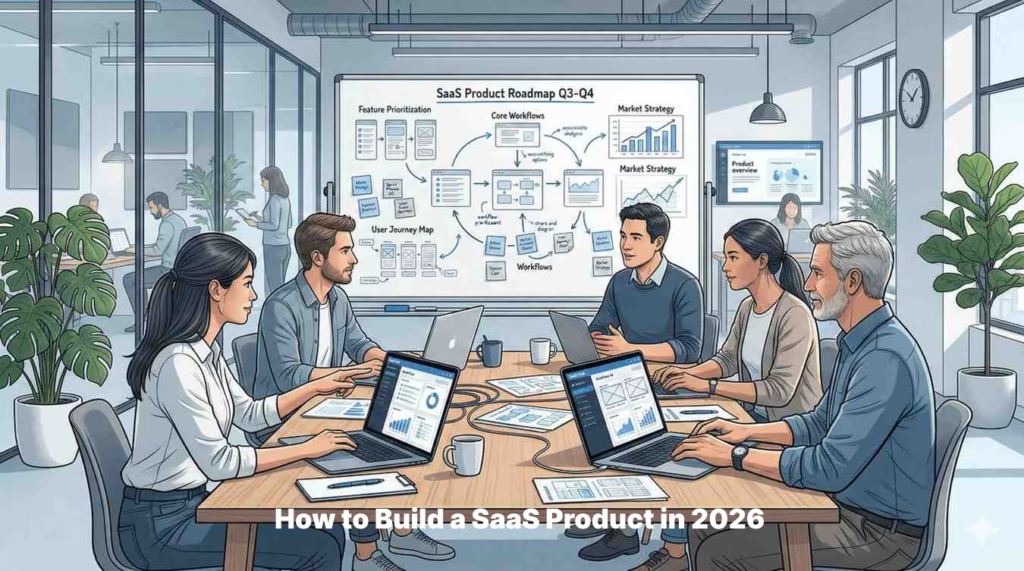
Software-as-a-Service (SaaS) has become the dominant model for delivering software worldwide. Businesses across industries are moving away from traditional software licensing toward cloud-based SaaS platforms that offer scalability, automatic updates, and subscription-based access.
From startups launching innovative digital platforms to enterprises modernizing legacy systems, SaaS products enable organizations to deliver software more efficiently while creating predictable recurring revenue streams.
However, building a successful SaaS platform requires more than simply developing an application. It involves careful product planning, scalable architecture design, secure cloud infrastructure, and continuous optimization.
Organizations planning to build SaaS platforms often work with experienced development partners such as Sigosoft, a company specializing in structured SaaS product development services, scalable cloud architecture, and secure application engineering aligned with global standards.
In this guide, we explain how to build a SaaS product in 2026, covering the SaaS development process, architecture planning, MVP strategy, and best practices for building scalable cloud-based applications.
What Is a SaaS Product?
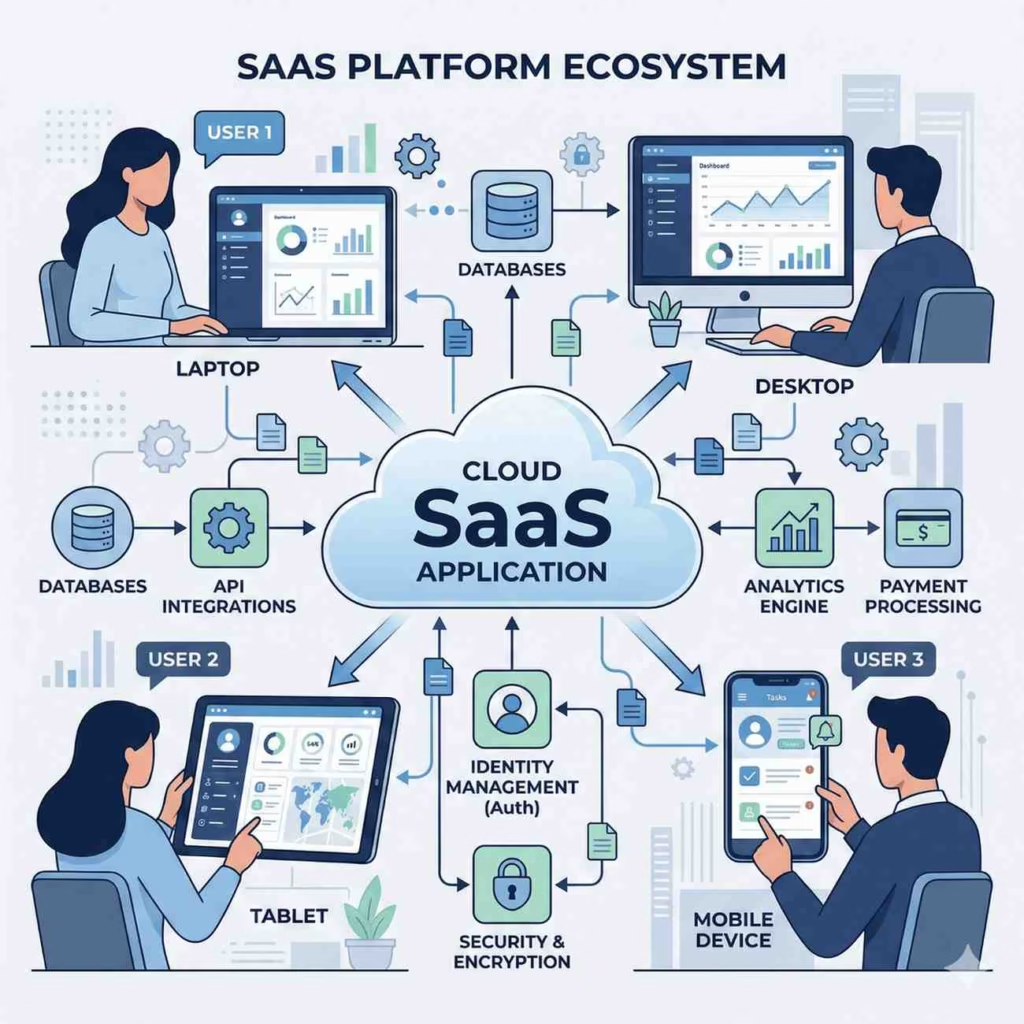
A SaaS product (Software as a Service) is a cloud-hosted application delivered through the internet rather than installed on a user’s device, a model widely explained in cloud computing resources such as Amazon Web Services.
Instead of purchasing software licenses, users subscribe to the service and access the application through a web browser or mobile interface.
Examples of widely used SaaS products include:
- Customer relationship management (CRM) platforms
- Project management tools
- Accounting and finance software
- Marketing automation systems
- Collaboration and productivity platforms
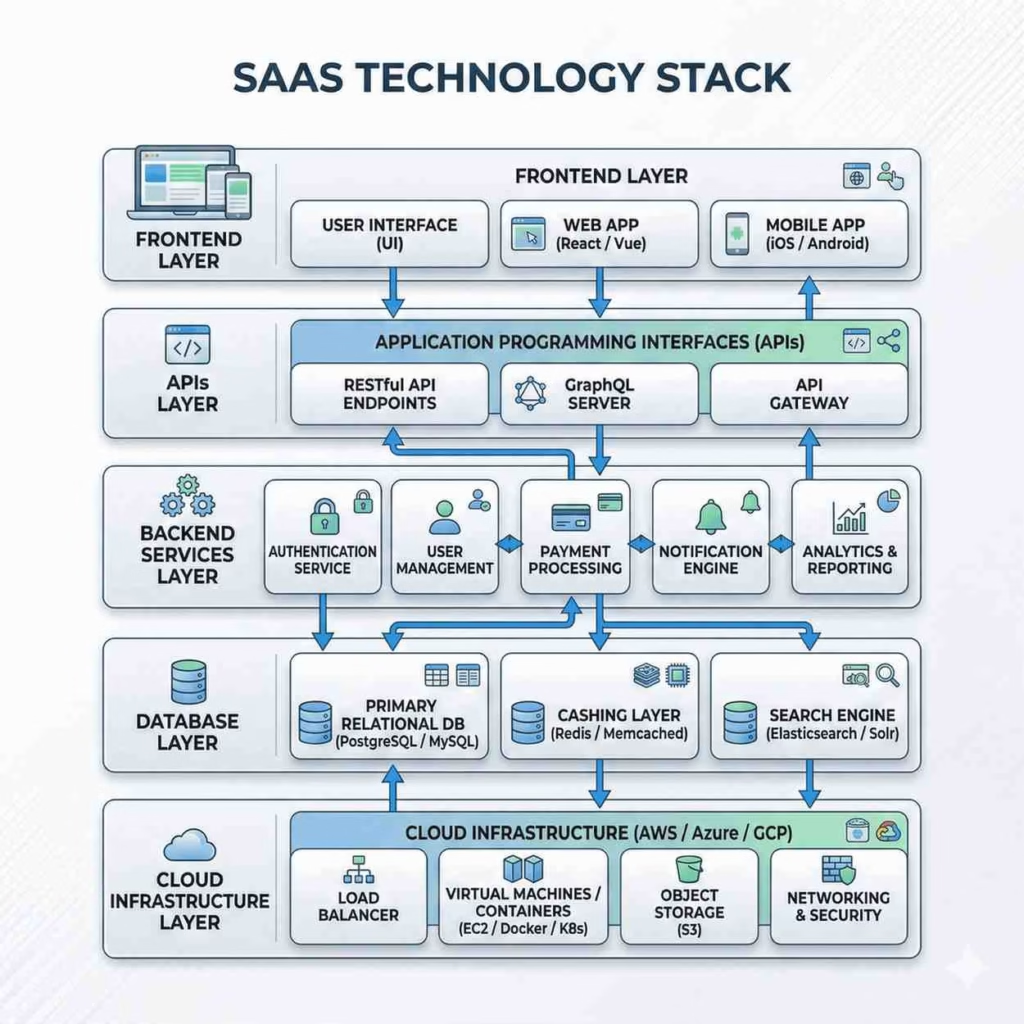
Modern SaaS platforms are built on cloud infrastructure, scalable databases, APIs, and automated deployment pipelines, allowing thousands or even millions of users to access the application simultaneously.
Why SaaS Products Are Growing Rapidly
The increasing adoption of SaaS platforms is driven by several advantages compared to traditional software systems.
Scalable Infrastructure
SaaS applications can scale efficiently as the user base grows, without requiring major infrastructure upgrades.
Predictable Revenue Models
Subscription-based pricing enables consistent and recurring revenue for software companies.
Continuous Updates
Developers can deploy updates and improvements without requiring users to reinstall software.
Remote Accessibility
Users can access SaaS platforms from anywhere with an internet connection.
Reduced Maintenance
Infrastructure management, security updates, and performance optimization are handled by the SaaS provider.
These benefits make SaaS product development a preferred approach for modern software businesses.
Key Stages of SaaS Product Development

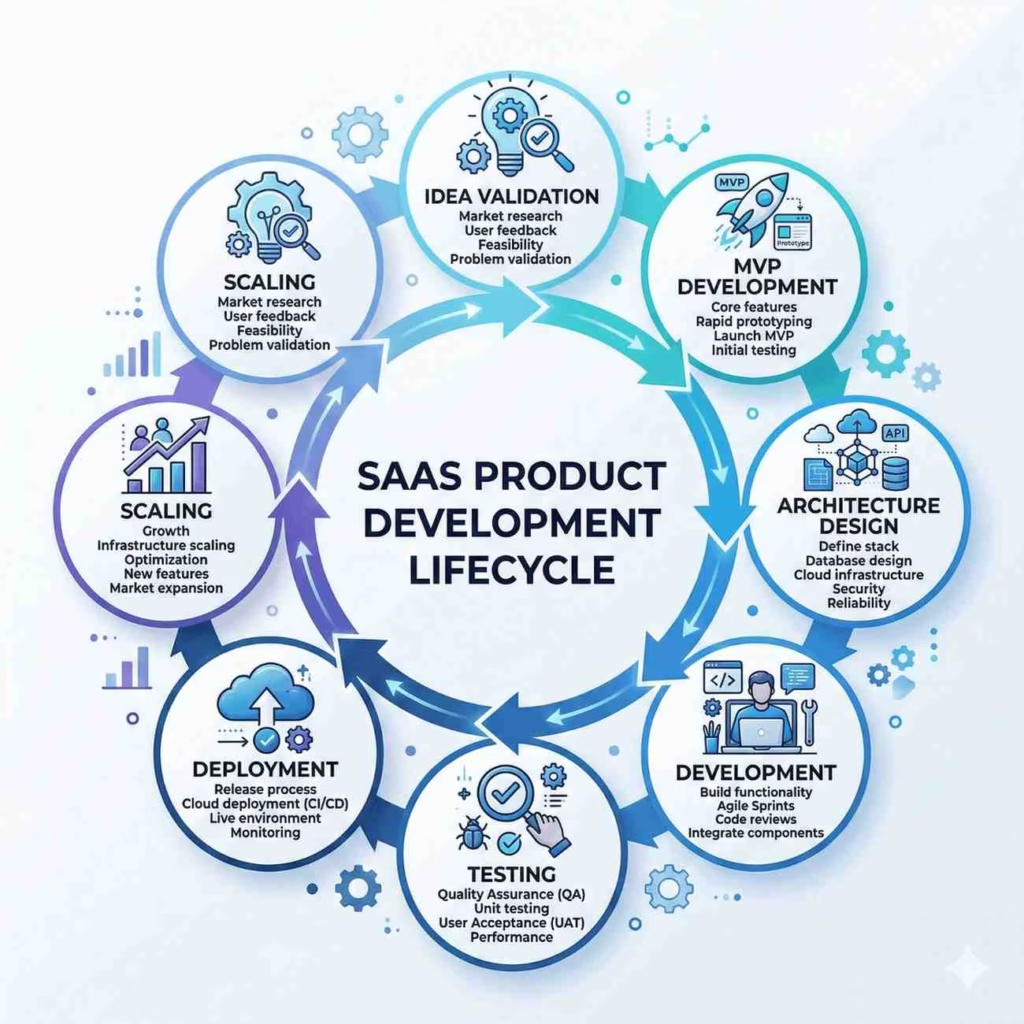
Building a SaaS platform requires a structured development lifecycle. Below are the key stages involved in the SaaS development process.
1. Idea Validation and Market Research
Every successful SaaS platform begins with identifying a real problem that users need to solve.
Before development begins, product teams should evaluate:
- Market demand
- Target users and industry segments
- Competitive solutions
- Unique value proposition
This stage may involve customer interviews, competitor analysis, and product concept validation.
Validating the product idea early helps reduce development risks and improves the chances of achieving product-market fit.
2. SaaS MVP Development
Most successful SaaS platforms start with an MVP (Minimum Viable Product).
A SaaS MVP includes the essential features required to solve the primary user problem while avoiding unnecessary complexity.
Benefits of SaaS MVP development include:
- Faster time to market
- Lower development costs
- Early user feedback
- Product validation before full-scale development
For example, an MVP for a project management SaaS platform may include:
- User registration and authentication
- Task management tools
- Team collaboration features
- Basic reporting dashboards
Advanced features such as AI automation, integrations, and analytics can be added in later stages.
3. SaaS Architecture Planning
Architecture plays a critical role in ensuring long-term scalability and performance.
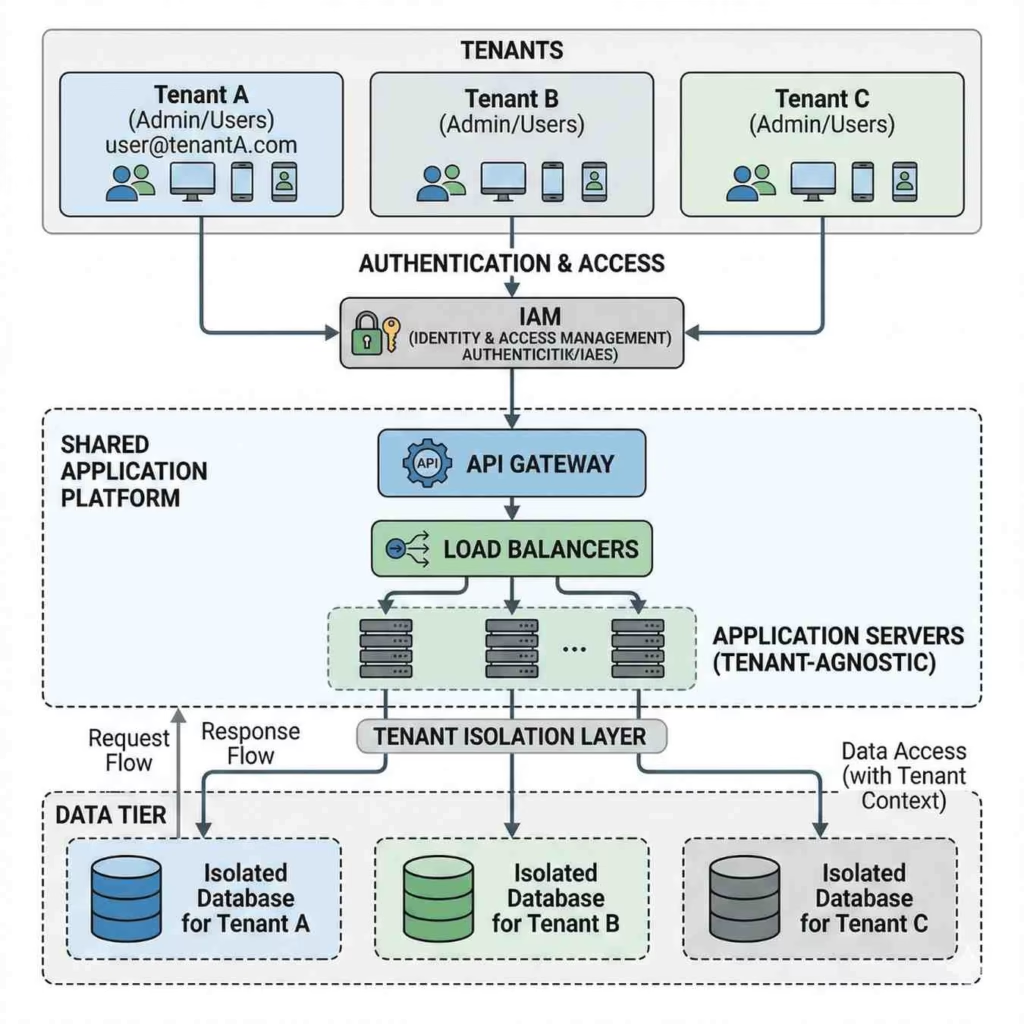
Most modern SaaS platforms use multi-tenant architecture, where multiple organizations share the same infrastructure while keeping their data securely isolated.
Key architecture components include:
- Cloud infrastructure
- Scalable databases
- Microservices architecture
- API integration layers
- Authentication systems
- Subscription and billing management
Proper architecture planning ensures that the platform can scale efficiently as the user base grows.
4. SaaS Platform Development
Once the architecture is defined, developers begin building the SaaS platform using modern technologies and frameworks.
Typical SaaS development technology stack components include:
- Backend development frameworks (Node.js/Express, Python/FastAPI, Go/Golang)
- Frontend web frameworks (Next.js 15+, Vue.js/Nuxt, SvelteKit)
- Cloud infrastructure services (AWS Lambda/Vercel, Google Cloud Run, Azure Functions)
- REST or GraphQL APIs (Apollo Server, Hasura, tRPC for type-safe APIs)
- Scalable database systems (PostgreSQL + Supabase, MongoDB Atlas, CockroachDB)
- DevOps and CI/CD pipelines (GitHub Actions, Jenkins X, ArgoCD + Kubernetes)
Security, performance optimization, and monitoring tools should be integrated throughout development.
Many organizations choose to work with a professional SaaS application development company such as Sigosoft to ensure the platform follows best practices for scalability, cloud architecture, and long-term maintainability.
5. Security and Compliance Implementation
Security is a critical component of SaaS platforms because they often store and process sensitive user data.
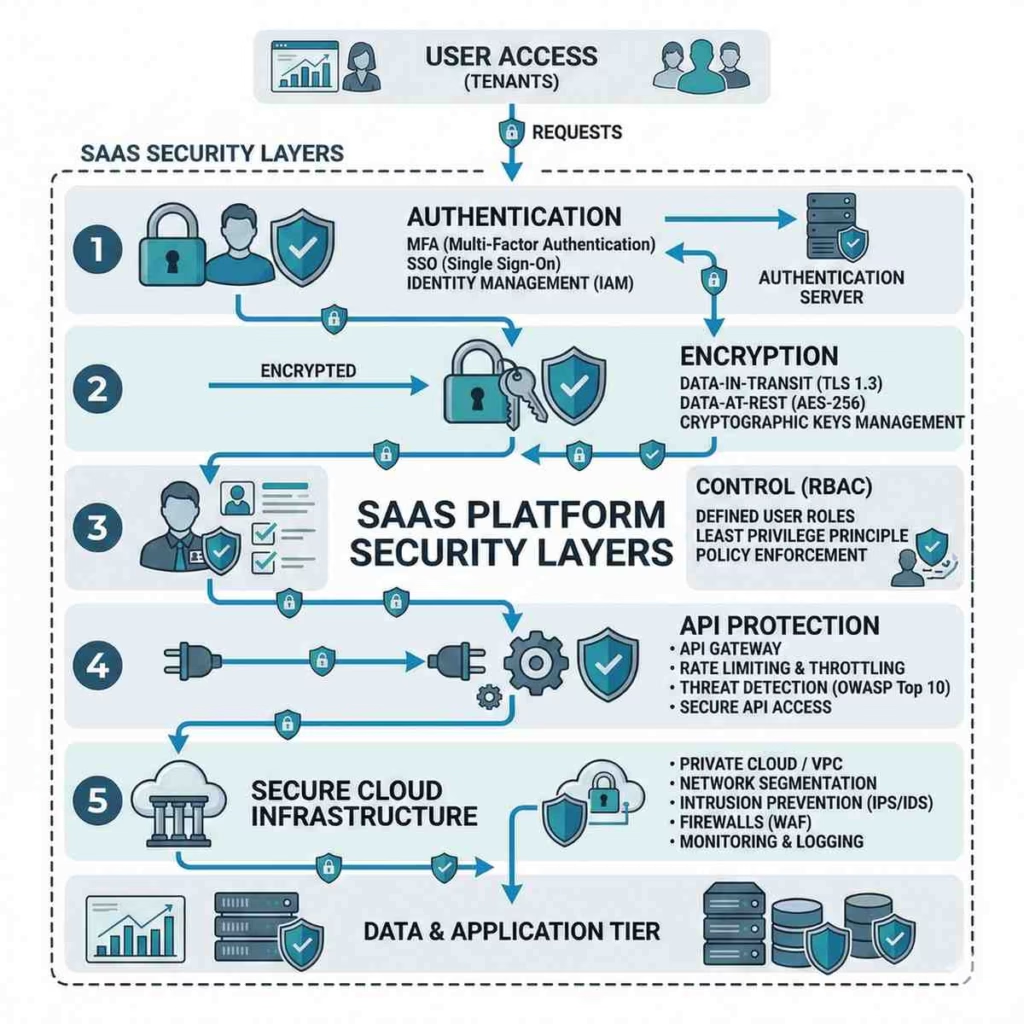
Essential SaaS security practices include:
- Role-based access control (RBAC)
- Data encryption in transit and at rest
- Secure authentication systems
- API security frameworks
- Regular vulnerability assessments
- Compliance with security standards
Organizations increasingly prefer development partners aligned with international information security frameworks such as ISO/IEC 27001:2022 defined by the International Organization for Standardization.
Companies like Sigosoft follow development processes aligned with ISO-based security practices, ensuring secure software engineering, structured risk management, and strong data protection.
6. Testing and Quality Assurance
Before launching a SaaS platform, comprehensive testing ensures stability, security, and reliability.
Testing typically includes:
- Functional testing
- Performance and load testing
- API testing
- Security testing
- Cross-browser and device testing
Quality assurance helps ensure that the platform performs reliably under real-world usage conditions.
7. SaaS Product Launch and Deployment
After development and testing are complete, the platform is deployed to production environments.
Deployment typically includes:
- Cloud infrastructure setup
- Database deployment
- Load balancing configuration
- Monitoring systems
- Backup and disaster recovery planning
A structured deployment strategy ensures minimal downtime and a smooth product launch.
Essential Features of a Successful SaaS Platform
Modern SaaS applications require a variety of features to support users, scalability, and monetization.
Multi-Tenant Architecture
Allows multiple organizations to use the platform securely on shared infrastructure.
Subscription and Billing Management
Handles recurring payments, pricing plans, and automated billing.
User Access Control
Role-based permissions ensure secure system access.
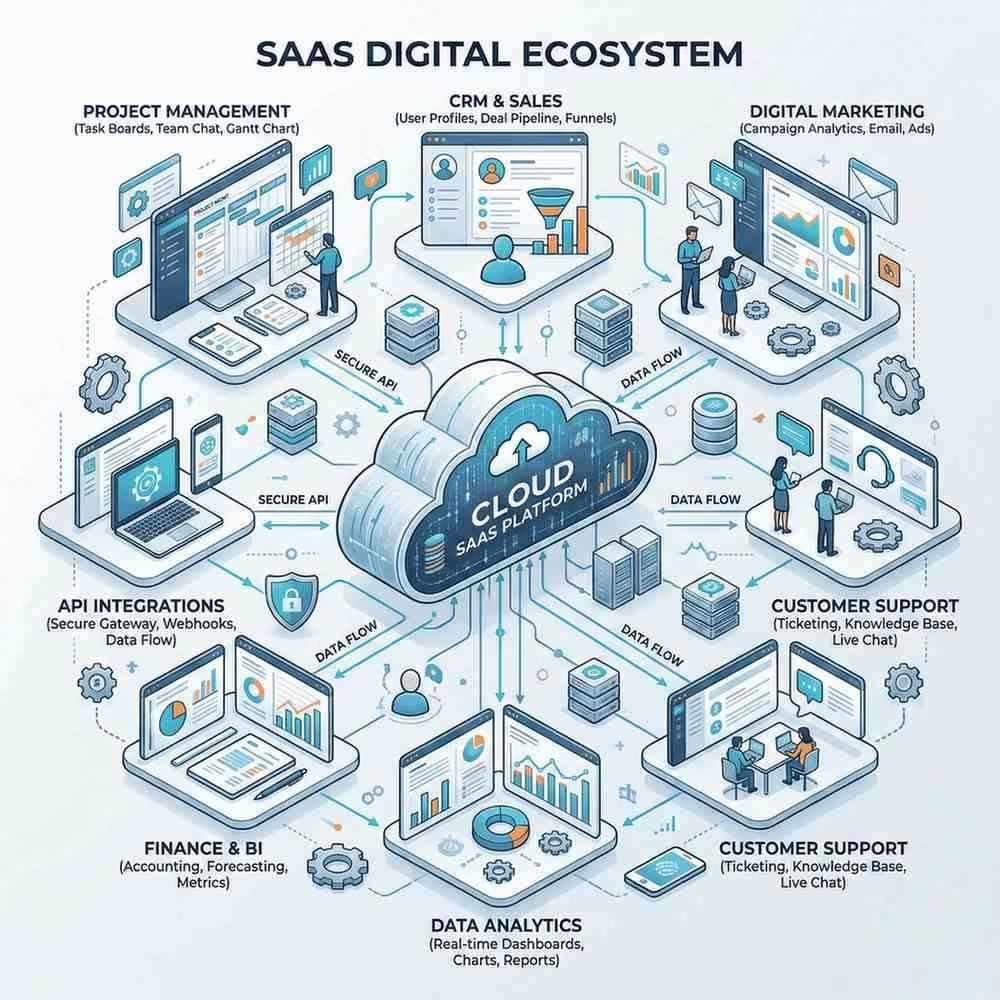
API Integration
Enables integration with third-party platforms such as CRM systems, payment gateways, and analytics tools.
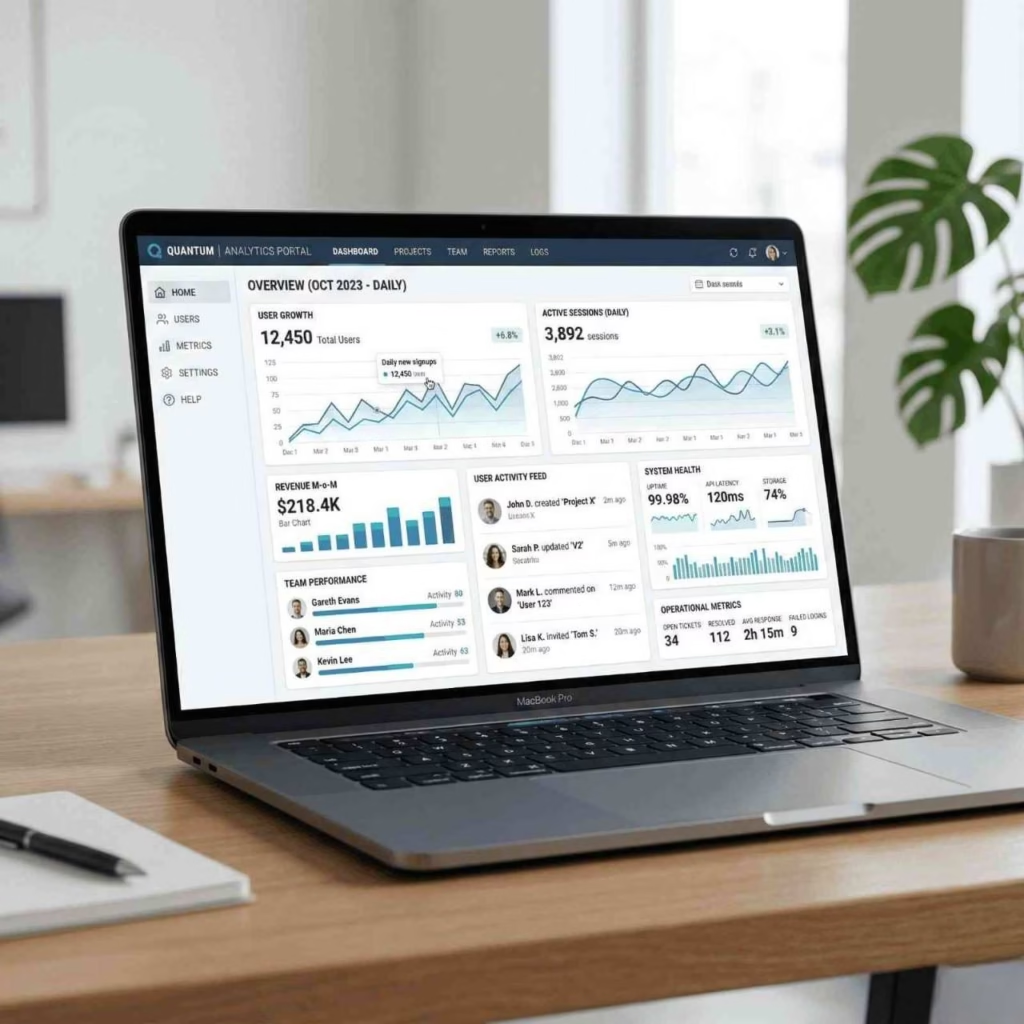
Analytics and Reporting
Real-time dashboards provide insights into system usage and performance.
Workflow Automation
Automation tools streamline processes and improve productivity.
Common Challenges in SaaS Product Development
While SaaS platforms offer many benefits, development teams must address several challenges.
Scalability Planning
Poor architecture decisions can limit future growth.
Security Management
Handling customer data requires strict security controls.
Integration Complexity
Modern SaaS platforms often require integration with multiple external systems.
Performance Optimization
High user volumes require efficient infrastructure and monitoring tools.
Working with experienced SaaS development teams helps mitigate these challenges and ensures long-term platform stability.
Future Trends in SaaS Development
The SaaS industry continues to evolve rapidly. Several trends are shaping the future of SaaS platforms.
AI-Powered SaaS Platforms
Artificial intelligence is being integrated into SaaS systems for automation, predictive insights, and personalized user experiences.
Low-Code and No-Code Platforms
Low-code tools enable faster application development with minimal coding.
Vertical SaaS
Industry-specific SaaS solutions tailored for sectors such as healthcare, logistics, finance, and education are growing rapidly.
Data-Driven SaaS Platforms
Advanced analytics and real-time insights are becoming essential capabilities for modern SaaS systems.
Organizations that adopt these technologies can build more competitive SaaS platforms.
How Sigosoft Supports SaaS Product Development
Developing a scalable SaaS platform requires expertise across cloud architecture, application engineering, security, and continuous deployment.
Sigosoft provides structured SaaS product development services designed to help startups and enterprises build secure, scalable, and future-ready SaaS platforms.
Our development approach focuses on:
- Scalable cloud-native architecture
- SaaS MVP development for faster product validation
- API integration and system connectivity
- Secure coding practices and DevOps workflows
- AI-ready SaaS platform architecture
- Continuous platform optimization
Sigosoft follows structured engineering processes aligned with ISO/IEC 27001:2022 information security standards, ensuring secure data handling, reliable infrastructure management, and trusted software delivery.
Whether you are launching a new SaaS platform or modernizing an existing software product, a structured development roadmap is essential for long-term success.
Final Thoughts
SaaS platforms continue to transform how businesses deliver software and digital services. Building a successful SaaS product requires strategic planning, scalable architecture, strong security practices, and continuous improvement.
By following a structured SaaS development process, organizations can build digital platforms capable of supporting thousands of users while adapting to evolving business needs.
Businesses planning to launch SaaS platforms often collaborate with experienced development partners such as Sigosoft to design scalable architectures, build secure applications, and ensure reliable cloud-based software delivery.
With the right development strategy and technical expertise, organizations can successfully transform innovative ideas into scalable SaaS platforms that drive long-term digital growth.
Frequently Asked Questions (FAQs)
What is SaaS product development?
SaaS product development is the process of creating cloud-based software applications that users access through the internet using a subscription model.
How long does it take to build a SaaS product?
The development timeline depends on product complexity, feature scope, and integrations. SaaS MVP development may take several months, while enterprise-scale platforms may require longer development cycles.
What is a SaaS MVP?
A SaaS MVP is the initial version of a SaaS platform that includes core features needed to validate the product idea and gather user feedback.
What technologies are used in SaaS platforms?
SaaS platforms typically use cloud infrastructure, backend frameworks, frontend technologies, APIs, scalable databases, and DevOps automation tools.
How much does it cost to develop a SaaS product?
The cost depends on platform complexity, features, integrations, and security requirements. SaaS MVP development typically requires lower investment than full-scale SaaS platforms.
Can existing software be converted into a SaaS platform?
Yes. Legacy applications can often be transformed into SaaS platforms through cloud migration, architecture modernization, and multi-tenant infrastructure.
Does Sigosoft provide SaaS development consultation?
Yes. Sigosoft offers consultation to help businesses evaluate SaaS product ideas, define architecture strategies, and plan scalable SaaS development roadmaps.